
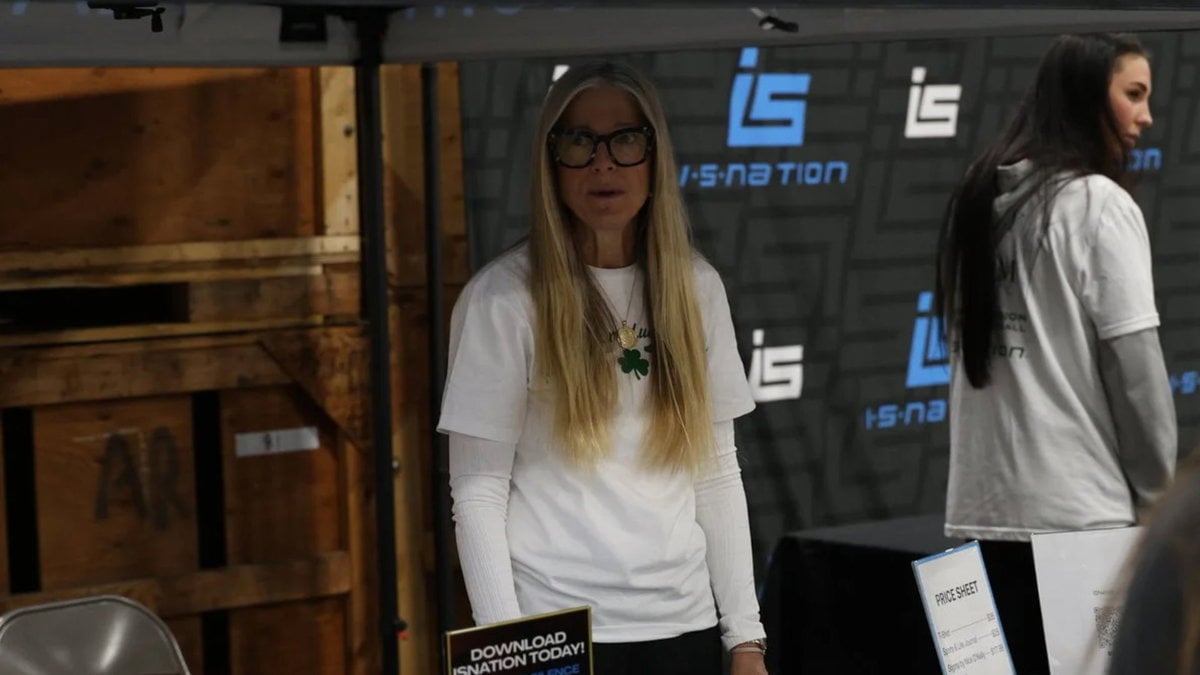
Key Takeaway: Sports parenting is emotionally hard — especially the silent, disconnected moments when your kid won't open up. The key insight is that your athlete doesn't need you to fix things or give speeches; they need genuine presence and connection.
Simple, open-ended check-ins ("I noticed you seem off — door's open when you're ready") matter more than perfect words. Loving your child and loving their sport are different things, and that tension is normal. The ISNation app aims to support the whole family through these moments.
Dinner is on the table. Everyone is there. But something is off.
You can feel it before anyone says a word. Your athlete came home quiet — not tired quiet, a different kind of quiet. You watched them push food around the plate. You asked how practice was. They said fine. You asked again, a different way. Still nothing.
So you let it go. You talked about other things. You passed the bread. You kept it normal — because normal felt safer than whatever might happen if you pushed.
And later, after the plates were cleared and everyone went their separate ways, you sat with it.
That quiet. That distance. That feeling of being inches away from your kid and somehow miles away from what's actually going on inside them.
Nobody warned you this was part of it. Nobody handed you a playbook for the moments that don't have a right answer — where love is the only thing you're sure of, and love alone doesn't feel like enough.
You're not doing it wrong. You're just doing it without a roadmap.
You Love Them More Than the Sport

You didn't sign them up because you needed a hobby. You signed them up because you saw something in them — a spark, a joy, a confidence that lit up when they were on the field, the court, the ice.
And for a while, it was simple. They played. They laughed. They came home dirty and tired and happy.
Then it got complicated.
The competition got harder. The stakes felt higher. A coach said something that stung. A teammate got more playing time. A bad game turned into a bad week. And somewhere along the way, the sport that was supposed to build them started to feel like the thing that was breaking them — and you weren't sure what to do with that.
Here's the truth nobody says out loud: loving your athlete and loving their sport are two completely different things. And when the sport is hurting them, those two loves can pull you in opposite directions at the same time.
You want to protect them. You also want them to push through. You want to let them quit if it's not right. You also don't want them to walk away from something they might regret. You want to say the right thing. You also don't want to make it worse.
That tension — right there — is not weakness. It's not bad parenting. Research shows that parental stress in youth sports is directly linked to their child's sports development — which means the harder it gets, the more you care. The worry is just love with nowhere to go, but amongst all of this, communication matters.
Dr. Warren Ng, President of the American Academy of Child and Adolescent Psychiatry, puts it this way: the values, the messages, and the culture around sport — and what adults communicate to young people about who they are — matters deeply. You are shaping more than their game. You are shaping how they see themselves.
That is a beautiful responsibility. And on the hard days, it is a heavy one.
You love them more than the sport. And that is exactly where this has to start.
Remember this: "Loving your athlete and loving their sport are two completely different things. And knowing the difference changes everything."
Less Fixing. More Connection and Communication
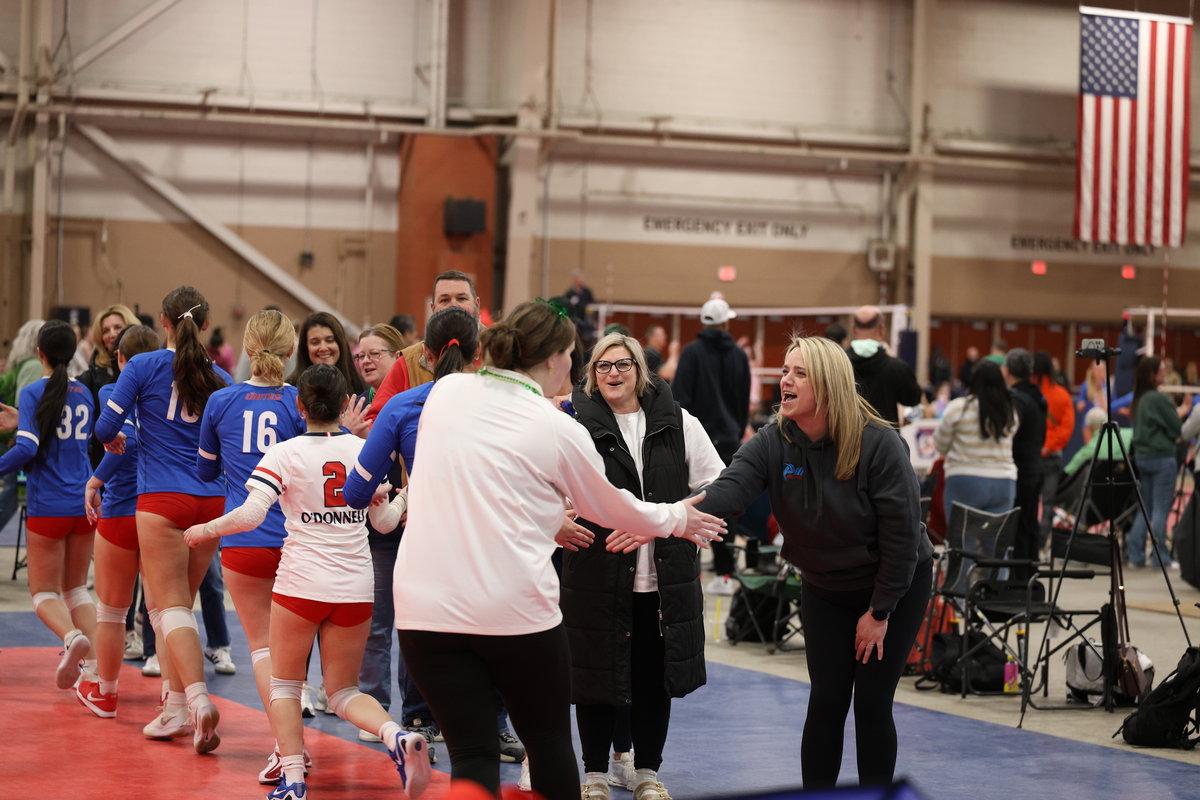
You've probably Googled it. What do you say to your kid after a bad game? How do you motivate an athlete who's lost confidence? What do you do when your child wants to quit?
The internet has answers. Most of them feel hollow when you're actually standing in front of your kid.
Here's what the research — and the athletes themselves — keep coming back to: they don't need a speech. They don't need a breakdown of what went wrong. They don't need you to fix it.
They need to know you see them. Not the performance. Not the potential. Not the athlete. The person.
Dr. Valerie Valle of Johns Hopkins All Children's Hospital advises parents to start with observation and open-ended questions. Here's what that actually sounds like:
After a hard loss or bad game:
"I watched you out there today. I don't need to talk about what happened — I just want you to know I'm proud of how you showed up."
When they go quiet and you don't know why:
"I've noticed you don't seem like yourself lately. I'm not trying to pry — just want you to know the door's open whenever you're ready."
When they say they want to quit:
"I hear you. Can we just sit with that for a second before we figure out next steps? Tell me what's been going on."
When a coach says something that stings:
"That sounds really hard. How did that land for you?"
These sentences aren't to memorize — they're starting points. The goal isn't the perfect sentence. It's the pause that tells your athlete: I'm here. You don't have to carry this alone.
It's not a technique. It's presence. It's the difference between a parent who shows up to evaluate and a parent who shows up to connect.
And connection is everything right now.
So when you don't know what to say, say less. Stay longer. Ask one question and actually wait for the answer.
That is not doing nothing. That is doing the most important thing.
This Is Where It Changes
You started this journey because you believed in your athlete. You still do. Even on the hard days — maybe especially on the hard days — that belief hasn't gone anywhere. It's just gotten heavier to carry alone.
But you don't have to carry it alone anymore.
That's what the ISNation app was built for. Not just for your athlete — for you too. Because we believe that when parents feel seen, supported, and strengthened, their athletes do too. When the whole family has language for the hard moments, tools for the quiet ones, and a community that tells the truth — everything changes.
So if you're reading this and something landed — if you recognized yourself in that dinner table moment, in that 2am worry, in that love that doesn't always know what to do with itself — this is your invitation.
Connect with us. Start with love.
Because that's where it always begins — and that's exactly why we are here.