The Purpose of Mental Health Apps
Mental health apps provide structured exercises, tracking features, and guided techniques to improve your mental health as an athlete. They can be used to address performance anxiety, concentration, recovery, confidence, and stress, allowing you to access mental training on the go.
These apps typically apply mindfulness training, structured reflection, and grounding. It’s important to note that these apps do not replace licensed mental health care, but they can complement your training as an athlete, offering a low-barrier to entry to better mental health. This article will explore the benefits of using mental health and wellbeing apps as an athlete.
How Wellness Apps Function
Most mental wellness apps provide short sessions and techniques such as guided meditations, breathing, grounding, and visualization exercises. These apps can also track your mood, sleep, and stress, allowing you to understand what needs attention.
Regularly using apps, gaining feedback from them, and taking and applying what you have learned can aid in developing coping strategies for stress, allowing you to better manage stressful situations in and out of your sporting life.
Are Wellness Apps Effective?
Evidence on Effectiveness
Mental health apps have shown in adults to reduce symptoms of anxiety and depression through cognitive behavioral therapy and mindfulness exercises.
Mindfulness-based apps have shown decreases in anxiety and negative emotions. Studies examining these apps have reported improvements in stress and emotional awareness for adults.
While research on the impact of mental health apps on athletes is limited, sports psychology in general supports techniques used in apps such as visualization, controlled breathing, and mental reframing to improve mental health.
Popular Apps for Wellbeing and Mental Health
Overview of Commonly Used Apps
As an athlete, you can combine mental health apps with fitness and tracking tools for better mental health and well-being.
Picking the right app for your goals, preferences, and needs of your sport is important, as no single platform can suit every need of an athlete.
1. Prehab
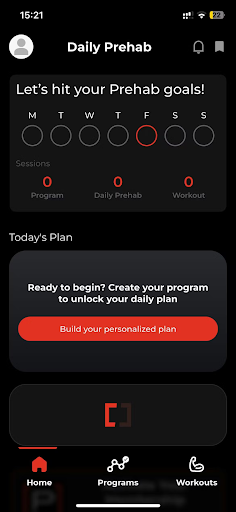
Prehab is a physical therapy app offering fitness programs and workouts for injury and pain relief. Available on Apple and Android, it was created by leading doctors and coaches to support overall mental well-being. Prehab allows you to create daily exercise plans, set goals, and build healthy habits.
Download here: Apple, Android.
2. Apple Fitness
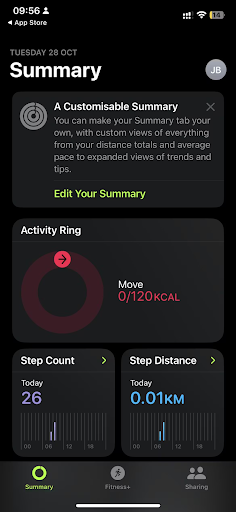
Apple Fitness offers 10+ workout types, including HIIT, yoga, and meditation, for all fitness levels. It integrates with Apple devices, tracks your workouts, and offers personalized recommendations.
Download here
3. Google Fit
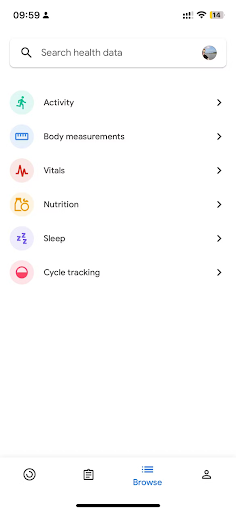
Google Fit is Android’s fitness app, tracking steps, heart rate, and more. It pulls data from other apps, using Move Minutes and Heart Points to help improve your health. Google Fit integrates with many fitness apps, allows you to set goals, and is available on both Android and iOS.
Download here: Apple, Android.
4. Smiling Mind
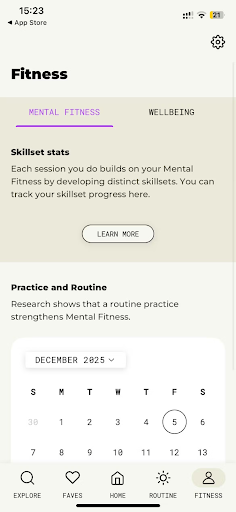
Smiling Mind is a free app designed to build mental fitness and well-being for all ages. It offers 700+ psychologist-backed meditations and lessons to support positive mental health. Smiling Mind helps manage stress and build resilience.
Download here: Apple, Android.
5. ISNation
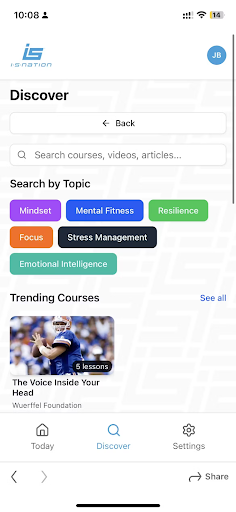
ISNation is a community-powered mental fitness app built for athletes who are facing the opponent nobody trains for: silence.
Inside the app, you build mental strength the same way you build your game — one small, daily habit at a time. Through real stories from real athletes, micro-lessons from trusted coaches and experts, and guided tools designed to fit into your routine, ISNation helps you feel seen, supported, and stronger — on and off the field.
The app is free to download, and the daily training content is available free of charge!
Download here: Apple, Android.
6. Calm
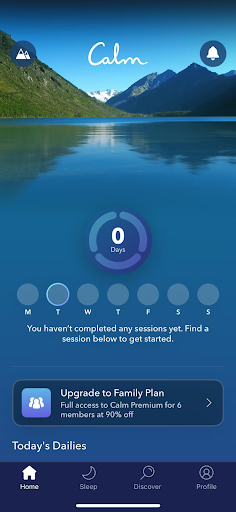
Calm is a top meditation app, known for its soothing design, in-depth exercises, and popular masterclasses. It offers sleep stories, celebrity-led meditations, and sports-focused content to help reduce stress.
Calm is one of the premium options on the market, with expensive subscription fees. However, the app itself does offer discounts on annual signups.
Download here: Apple, Android.
7. Headspace
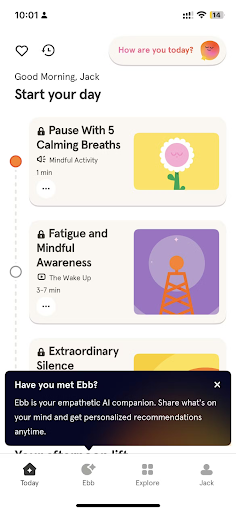
Headspace is another leading meditation app with professionally guided exercises. Unlike Calm, Headspace focuses on short, beginner-friendly meditations for learning basics quickly.
Headspace has sleep, meditation, movement, and music exercises, with a large library for each area. Both Headspace and Calm help athletes develop healthy habits for better sport-life balance.
Download here: Apple, Android.
8. MyFitnessPal
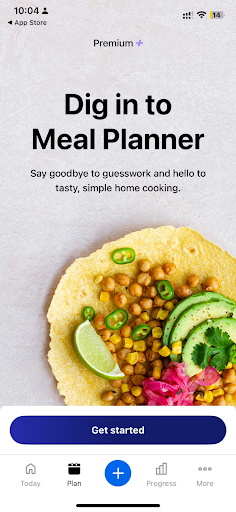
MyFitnessPal is a leading nutrition-tracking app used by athletes for over 20 years.
It saves time by making calorie and nutrition tracking easy. With a 14-million food database and barcode scanning, it makes tracking your diet simple and accurate. MyFitnessPal helps athletes reach nutrition goals without the hassle of tracking.
Download here: Apple, Android.
9. Strava
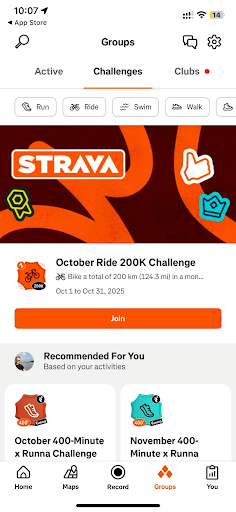
Strava tracks workouts for 30+ sports with GPS and lets users share achievements for added motivation and community. AI-powered insights, progress tracking, and personalized route suggestions help users train smarter. Strava is great for general fitness, offering both free and premium versions and a strong social community.
Using Mental Health Apps to Improve Wellbeing
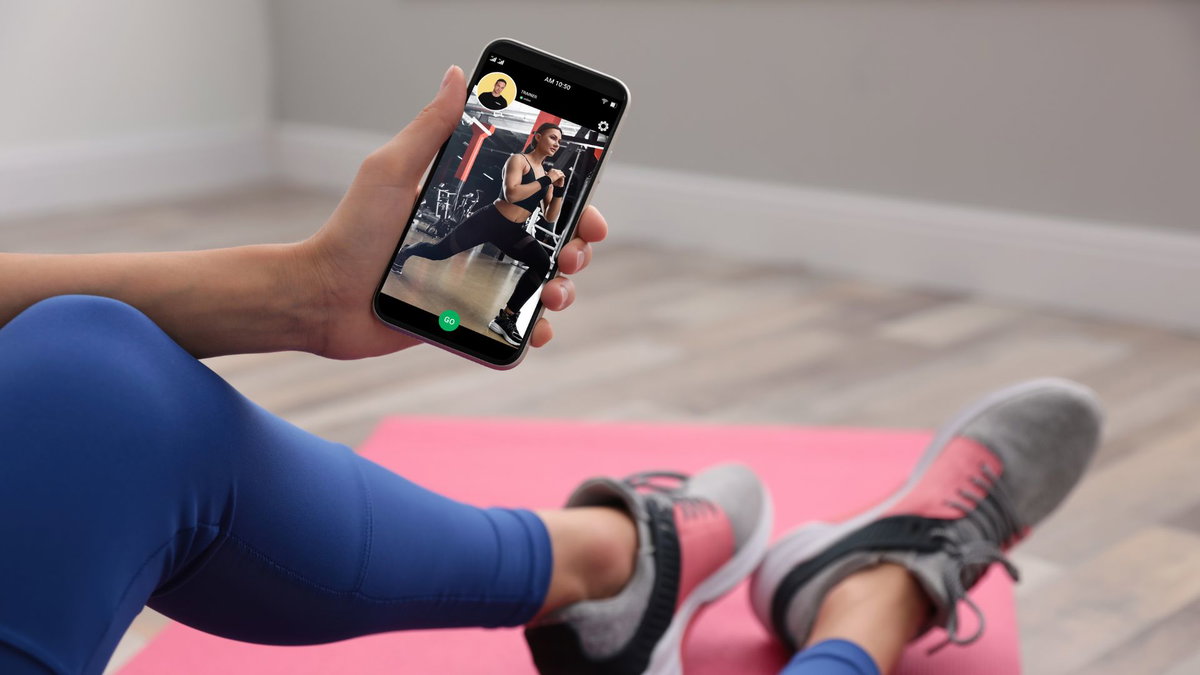
If you practice short sessions on these apps, you can improve your well-being, building mental skills that you can use in competition.
If you use apps alongside training, you can improve their benefits. For example, you may want to do a breathing drill during a warm-up or cool down. Tracking your progress when using these apps can help you understand the progress you are making.
Strategies for Effective Use of Health Apps
You can use the following routine to effectively use wellbeing apps:
Set a fixed time for use and link it to an existing habit.
Define one objective, such as improving sleep consistency or reducing pre-competition anxiety.
Complete structured techniques, such as meditations, aimed at your objective.
Review progress frequently to identify patterns and see if you are improving.
Consult a qualified professional if symptoms persist, intensify, or interfere with your daily functioning.
Regular use and Clear Intent are Key.
When used in everyday life and regularly practiced, mental health apps can improve well-being and good mental health alongside physical training.
If you regularly use these tools with one another, you may benefit from improved mental health as an athlete, as not a replacement of mental health professionals but as a supplement.