An athlete reflects on ACL recovery, sharing lessons in resilience, gratitude, discipline, identity, and celebrating the small victories along the comeback.
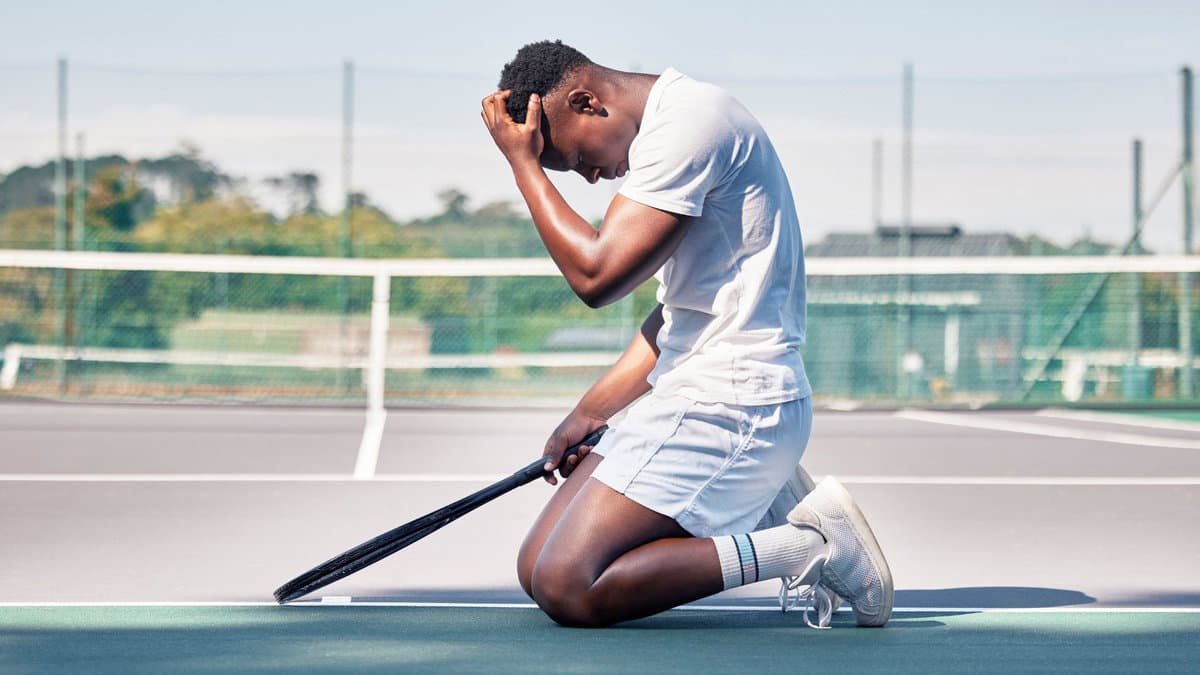
Burnout in sports does not always look like quitting. Here is what it can feel like when you still care, but your body and mind are starting to shut down.
These growth mindset activities help athletes and sports parents turn mistakes, setbacks, and pressure into confidence, resilience, and better daily habits.
Recruiting season can make one workout, one camp, or one showcase feel like your whole future. Here is how to stay steady when being watched starts to feel like being judged.
When an athlete becomes the calm one, the fixer, or the example everyone points to, the pressure can get quiet and heavy fast. Here is how to lower that load and make home feel safer again.
If your athlete waits for a nod, a smile, or a text from the coach to feel okay, this guide helps you spot the pressure loop and respond without feeding it.
If wins feel flat or your athlete never gets to enjoy them, this piece explains why that happens and how to find the part of sport that still feels like yours.
If your athlete holds it together at the field and unravels at home, this parent guide explains what may be happening and how to respond without adding more pressure.