
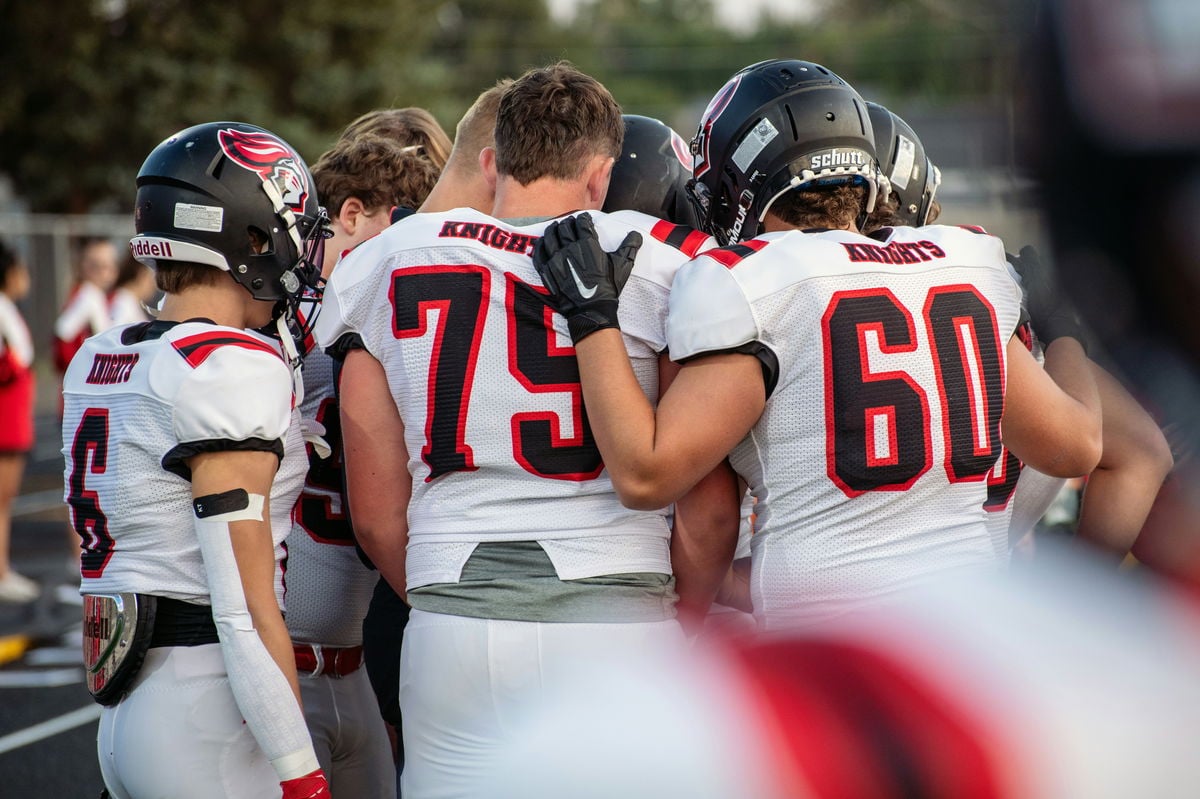
In a previous article, we touched on the impact stress can have on high school athletes.
As a recap, rather than concluding that the nature of sports is the main cause of stress, the piece found that another factor - stress management is a contributing variable.
Specifically, athletes are more inclined to manage stress through informal help-seeking (rather than professional means), which is likely an underlying factor in high levels of stress among high school athletes.
This article will take this analysis one step further. Drawing on the latest research on help-seeking in sporting environments, the piece will explore the barriers and facilitators to help-seeking among athletes.
Overview
Research Paper Name: Athlete mental health help-seeking: A systematic review and meta-analysis of rates, barriers, and facilitators
Author(s): S. M. Cosh, D. G. McNeil, A. Jeffreys, Laura Clark, P. J. Tully
Publication Date: December 2023
Summary: 22% of athletes seek help from others in times of stress. Barriers to help-seeking include team culture, stigma, and issues around confidentiality, while normalization of mental health can lead to increased help-seeking.
The Study
The study "Athlete mental health help-seeking: A systematic review and meta-analysis of rates, barriers, and facilitators" provides a meta-analysis of 22 studies on mental health help-seeking among athletes. Analysis found that the average help-seeking rate across studies was 22.4%. This number is in line with the general population. The research identified several barriers to help-seeking and ways to reduce them, including better signposting to professional services, destigmatizing mental health, and promoting mental health literacy.
The Results
Only 22% of athletes seek help from mental health professionals.
Coincidentally, 22 separate studies were included in the research, pooling data from databases such as PubMed and PsycInfo. While help-seeking among athletes, especially younger athletes, was found to be slightly higher than in the general population, the evidence showed worryingly low levels of help-seeking due to the stigma surrounding mental health and other factors.
Stigma, a lack of mental health literacy in sporting settings, and access to resources and professionals were all shown to be barriers to seeking help.
Unsurprisingly, improving mental health literacy, such as familiarizing oneself with the ability to recognize feelings, educating about available services, and highlighting the benefits of seeking help, has all been shown to lessen these barriers.
The stigma of being ‘weak’ was reported as one of the key factors in why limited assistance is sought by athletes despite facing mental health struggles. Likewise, confidentiality remains a key concern for athletes when sharing, as they fear it may impact selection. For example, the perception that sharing mental health concerns with a coach may reduce a player's chances of being chosen for a team.
On the flip side, normalizing mental health, whether through presentations or conversation, was seen to enhance help-seeking outcomes.
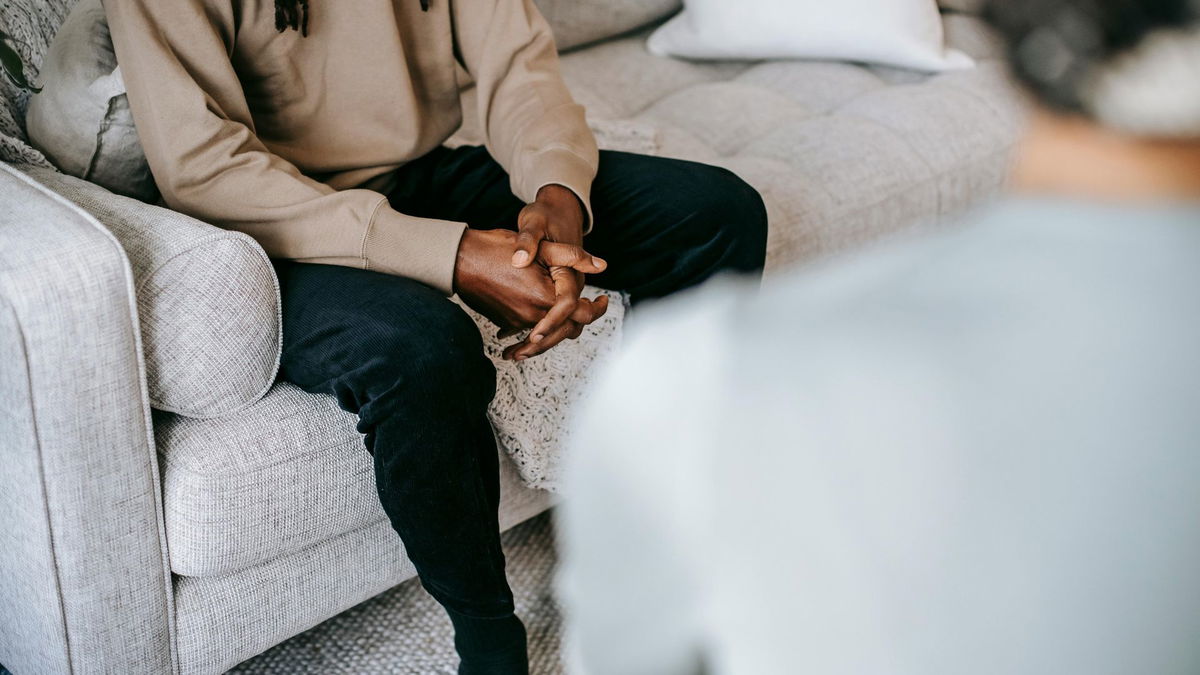
The Importance of a Stigma-free Sporting Environment
But what does this all mean in reality? Well, sporting culture needs to simply get better at signposting athletes to professional services while removing the stigma around seeking help. Sports leaders need to strive to create a normalized, safe environment and culture for mental health through literacy and increased dialogue with athletes.
Connection and relationship are everything in creating a culture of help-seeking that enables athletes to find the professional help they need in a positive, stigma-free environment.
Removing Mental Health Stigma Through ISnation
This is where ISNation comes in. ISNation is at its heart a platform where every athlete can be seen and heard. At ISNation, connection becomes the training ground: daily habits, authentic voices, and a community that removes the stigma around mental health.
Download our app today and let us help you and your athletes strengthen your mental fitness.