
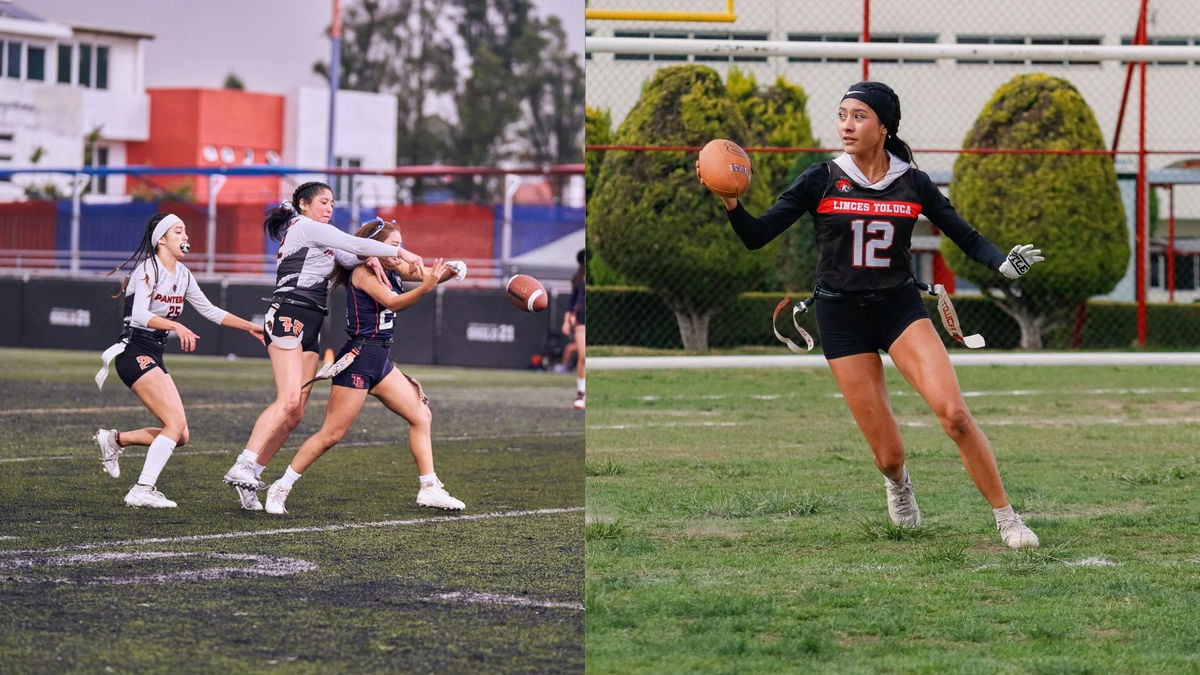
Flag football is a fast, technical version of football. Each team member has a specified role, and team success depends on the connection of roles on the field. In this article, we break down the offensive and defensive flag football positions.
The article aims to provide a clear breakdown of flag football positions, enabling you to improve your game by giving you a better read of the game through understanding how these roles work independently and together for effective play. It will also aim to provide clear distinctions between traditional and flag football in how positions function.
Flag Football Positions
Offensive Flag Football Positions
Because rosters are smaller in flag football, offensive players are often required to take on many responsibilities within a single position. These players must be able to execute plays efficiently, have superb ball control, and spacing to accommodate these small rosters.
Quarterback: The Playmaker
A quarterback in flag football is pretty much the same as in regular football. They are mainly concerned with leading an offensive play by reading an opposing defense before receiving the snap from the center. Quarterbacks must act quickly after a snap to initiate a play as well as confirm offensive routes for other players.
The quarterback requires strong passing and decision-making skills, as well as the ability to remain focused and effective under pressure. In some flag football formats, although the rules vary, the quarterback cannot run past the line of scrimmage unless rushed by a defender, placing extra emphasis on these skills.
Flag football quarterbacks must have an intimate knowledge of their team's offense, understanding how receivers fit into the overall offense.
Running Back: The Versatile Player
Running backs are versatile players in flag football who must have excellent vision and timing, as they cannot use brute force to block. These players assist the quarterback by running routes and require precise catching and agility to move the play up the field while avoiding the defense.
While the role of the running back can vary depending on how an offense operates in a flag football league, the position has various responsibilities, including handoffs, short passes, and blocking.
Wide Receiver: The Speedster
In flag football, wide receivers create the separation needed to catch passes in space amid a tight defense. These players take on routes to put pressure on the defense by running their picked routes.
Wide receivers are a critical component of an offensive system due to their route discipline. These players keep passing lanes clear for the quarterback, enabling the quarterback to anticipate throws. If a play is passed to them, wide receivers must ward off an opposing defense with quick directional changes.
Center: The Backbone of the Offense
As with traditional football, the center snaps the ball back to the quarterback to initiate each play. Snaps must be accurate and consistent to minimize timing impacts, and centers must be ready to move into the receiver role if needed to run a short route, if their leagues permit it.
Centers also play an important role in ensuring an offensive system remains stable by preventing mistakes on the snap and ensuring consistent timing and accuracy. These players must have excellent spatial awareness and strong hands because they work in crowded areas of the field.
Defensive Flag Football Positions
Understanding Defensive Roles
As with offensive positions in flag football, the nature of defensive roles differs from traditional football, with force and tackling replaced by flag pulling.
These positions are designed to focus less on contact and more on limiting space for offensive players, forcing quick decisions on the opposing team that may result in errors.
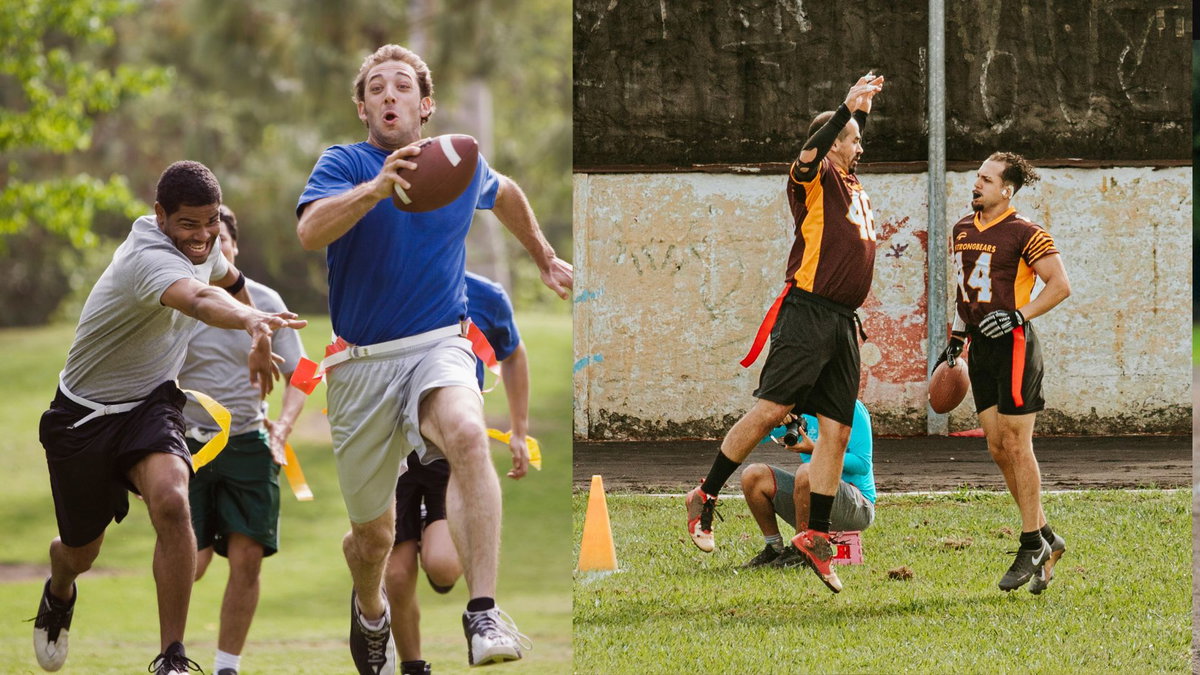
Rusher: Stopping the Offense
The main job of the rusher in flag football is to stop the offense. Rushers line up to the line of scrimmage and look to engage and disrupt an offense quickly at the start of a play, with designated rushers putting pressure on the quarterback to stop passes.
Rushers must balance the urgency of rushing with the need to defend running lanes. Over-commitment early can lead to short passing options and running lanes open for an offense.
Safety
The safety leads the team on the defense and has the responsibility of stopping the offense from getting loose and preventing deep plays. Set back far back from the line of scrimmage, these players also look to cover plays made by wide receivers to prevent scoring.
These players must have excellent speed and agility, as well as awareness to predict plays and provide adequate coverage of opposing players.
Defensive Backs: The Coverage Specialists
Lining up farthest from the line of scrimmage, defensive backs focus on pass coverage of the opposing team, preventing impactful plays, guarding wide receivers, and trying to pull an opposing player's flag.
Anticipating players, playing man-man coverage, and defending specific zones are also required by a defensive back, who aims to track both quarterbacks and receivers up the field to interrupt big plays.
Responsibility Rather Than Contact
This article has shed light on the various roles in flag football, providing a clearer, usable breakdown of what each role does and how they work together to form both an effective offense and a defense. Focusing more on responsibility than on contact, these roles require players to focus on their responsibilities outside of direct impact with other players.
Small roster sizes on offense commit players to take on more responsibilities, focusing on ball spacing and ball control, while the nature of limited contact on defense requires greater focus on limiting space and creating pressure on an opposing offense.
At ISNation, we believe you need to train your mind with the same effort you put into training your body to prepare you for competition and give you an edge in sport and in life. Learn more about our mission and sign up to be an ambassador here.