
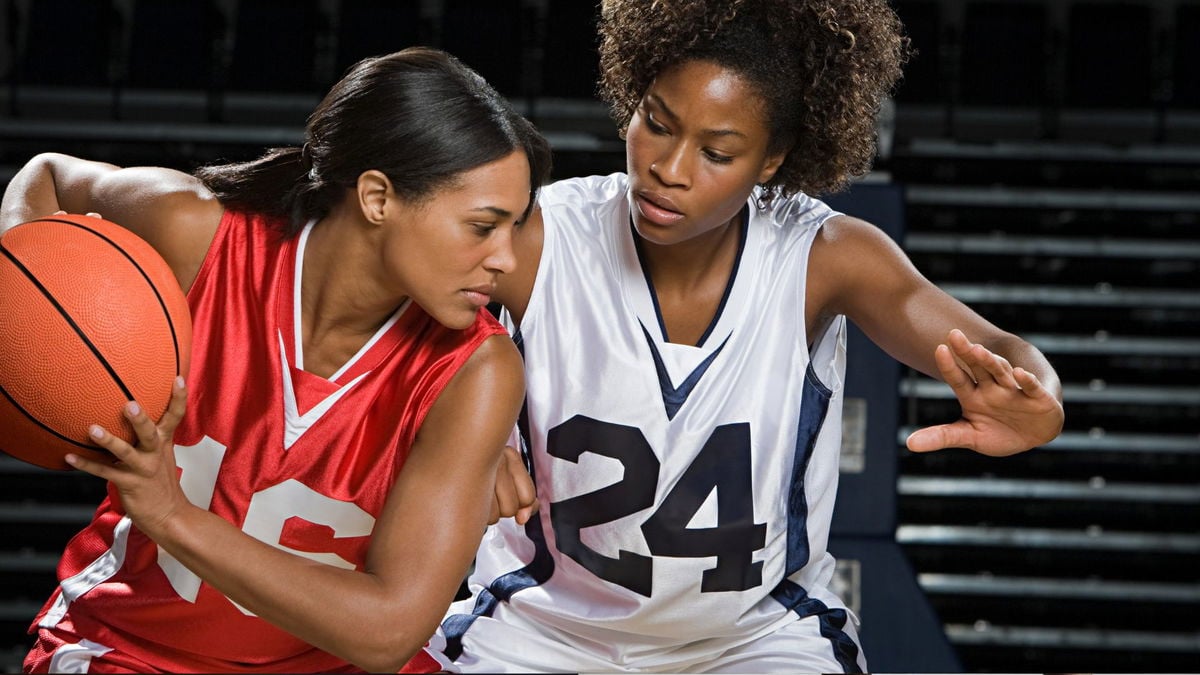
Across youth basketball and other team sports, coaches tend to notice the same pattern early in the season. One player keeps hogging the ball longer than everyone else, possessions slow down, and other players stop calling for it. The issue usually surfaces during games, but its roots are built in training habits, feedback loops, and role definition. This article will define ball hogging as well as explain the impact it has on a team. It will also lay out strategies and solutions for tackling it.
Definition of a Ball Hog
A ball hog is a player who routinely holds possession beyond what the situation requires and favours individual actions over available team options. This includes dribbling through pressure with open teammates nearby, forcing contested shots early in the possession, or resetting the play without scanning the floor. Skill level does not define the behaviour. A strong scorer can still disrupt play if their choices remove others from the offence.
Signs of Ball Hogging in Youth Sports
Coaches often see the same indicators repeated across sports and age groups:
Dribbles continue after defensive pressure is beaten, rather than triggering a pass
Teammates stop cutting or stay wide because they expect not to receive the ball
Set plays break down within the first few seconds of possession
Visible frustration appears after missed passes or forced shots
Scoring comes from one or two players while others rarely attempt shots
The last point usually shows up in stat sheets as a sharp gap in shot attempts, even when teammates are open or well positioned.
Impact on Team Dynamics
When one player dominates possession, off-ball players begin to disengage. Skill development narrows as well. Players who rarely handle the ball do not practice reading defenders, passing under pressure, or making timing-based decisions. Over time, coaches may notice quieter players becoming hesitant in training or less willing to take responsibility in games, a pattern that often precedes reduced attendance or withdrawal from the team.
Coaching Strategies to Address Ball Hog Behavior
Correction depends on what the coach defines as acceptable play. Without clear standards, players default to whatever previously earned them praise or minutes.
Encouraging Teamwork Over Individual Play
Constraints in practice shape behaviour more reliably than speeches. Limiting dribbles, requiring a pass before a shot, or awarding extra points for assisted scores changes how players scan and move. Small sided games exaggerate these effects, forcing quicker reads and shared responsibility. As players experience smoother possessions and better shot quality, they begin to associate passing with improved outcomes rather than lost control.
Setting Clear Expectations for Players
Players need specific guidance on decision making, not general reminders to share the ball. Coaches should describe what a good possession looks like in their system, including spacing, timing, and passing. These expectations should be reinforced during film review, stoppages, and substitutions. When a player who hogs the ball is held to the same standards as everyone else, the message carries more weight than any individual correction.
Using Positive Reinforcement
Behaviour changes faster when players know what will be recognised. Calling out an early pass that leads to a second assist or praising a reset that creates an advantage reinforces desired choices. Over time, players choose passes they know the staff values. This shifts habits through repetition rather than pressure.
The Role of Parents in Youth Sports
Much of a player’s decision making is shaped outside the gym or field. Parental feedback often reinforces what athletes believe matters most.
Encouraging Supportive Parent Involvement
Setting expectations with parents early reduces confusion. Meetings or written guidelines that explain the emphasis on decision making, movement, and shared involvement help redirect attention. When parents understand that a pass leading to a good shot is valued as much as scoring, players receive consistent messages across environments.
Communicating with Coaches and Teams
Ongoing communication matters most when roles shift. If a coach asks a player to reduce usage or adjust responsibilities, parents should understand the purpose. Game Scenarios and Solutions
Game pressure exposes habits more clearly than training. Preparation allows coaches to respond without singling out players publicly.
Identifying Ball Hogging During Games
Ball hogging often happens after a player has early success or makes a mistake. If someone scores twice, they might start holding the ball too long. If they turn it over, they might try to force the next play to make up for it. Coaches should also pay attention to what teammates are doing away from the ball.
Run Plays That Promote Sharing the Ball
The structure of games can guide behaviour. Set plays that require multiple touches spread involvement. Rotating positions or initiating offence through different players can help spread involvement with the ball. Substitutions can also reset expectations, especially when tied to decision making rather than results.
Reviewing Game Footage for Learning Opportunities
Video removes emotion from feedback. Showing a clip where an open teammate is missed, followed by the same situation handled well later, helps players see cause and effect. The focus should remain on options available, not on assigning blame. This builds awareness and encourages self-correction.
Fostering a Positive Team Environment
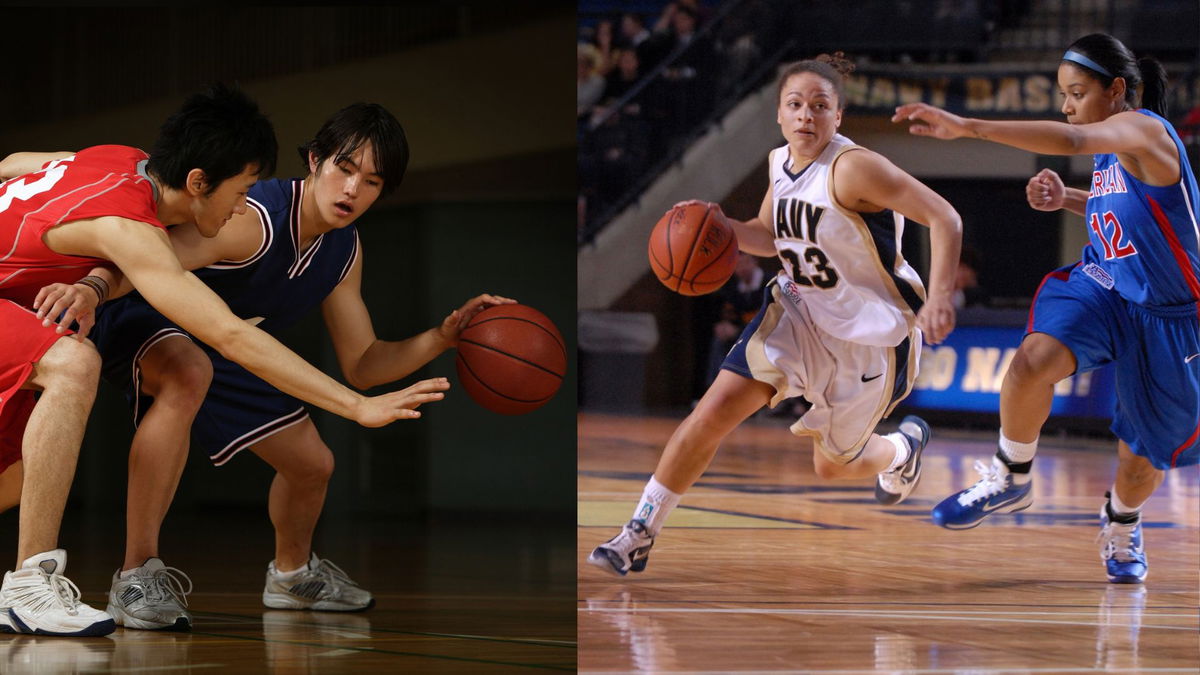
Ball movement improves fastest in environments where players trust that effort will be rewarded.
Building Trust and Communication Among Players
Clear communication on the court keeps players engaged. Calling cuts, signalling screens, and acknowledging passes reinforces involvement. Trust grows when players see the ball returned after making the right play, even if they do not score.
Creating Team-Building Activities
Shared tasks away from competition help rebalance relationships. Cooperative challenges, problem-solving activities, or mixed-ability groups allow players to rely on one another in different ways.
Celebrating Team Successes and Contributions
What gets recognised gets repeated. Highlighting assists, defensive rotations, and spacing during reviews shows players that contribution extends beyond scoring. When athletes see that their movement and decisions affect playing time and feedback, possession begins to circulate more freely, and team play becomes the default rather than the exception. Ball hogging should be dealt with communication, non judgement and kindness, celebrating successes and managing slip ups without blame.
At ISNation, we want to celebrate these achievements for players both in and outside of sport. We believe you need to train your mind with the same effort you train your body to prepare you for competition and success both in sport and in life. Learn more about our mission and sign up to be an ambassador here.