

Even the most well-prepared athlete can underperform when the pressure to perform disrupts timing, attention, and decision-making. Most athletes train the physical side of performance, but the mental side can receive far less attention. A mental performance coach can address this gap by developing mental skills alongside you.
Rather than leaving confidence, focus, and composure to chance, you can approach them as a key part of your training. This article will explore the role of mental performance coaching in sports and the benefits of mental training for athletes.
Understanding the Role of a Mental Performance Coach
What is a Mental Performance Coach?
A mental performance coach works with athletes to strengthen performance-related psychological skills. For example, issues such as concentration lapses, inconsistent confidence, or difficulty handling competitive stress fall within the scope of a mental performance coach's work. The techniques and practices used depend on the coach's qualifications.
Collaboration is common, strength coaches, technical coaches, medical staff, and mental performance coaches often coordinate their efforts so that mental training aligns with the physical exercise that you put your body under.
How Coaches Help Athletes
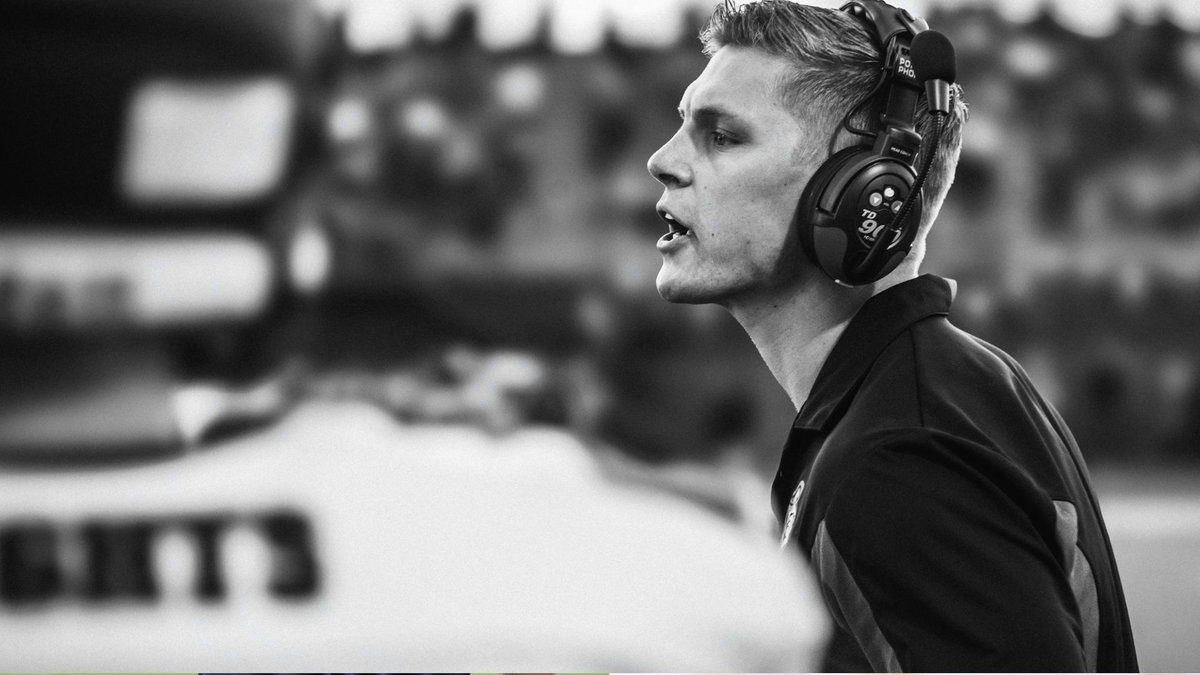
Mental performance coaching typically begins with an assessment of an athlete's mental skills and the level of pressure they face. Patterns emerge through discussion, observation, and, at times, performance profiling tools. From there, targeted objectives can be set.
Support often includes:
Designing pre-performance routines
Strengthening task-focused attention
Restructuring unhelpful thought patterns
Developing stable confidence across situations
Creating reset strategies after errors
Consider a footballer who loses focus after a missed pass. Instead of carrying frustration into the next match, a short reset sequence can be rehearsed: controlled breathing, a cue word, and immediate attention to positioning. Repeated practice during training helps make this response automatic.
Core Principles of Mental Performance Training
Key Techniques in Performance Psychology
A range of evidence-based practices forms the practical toolkit of a mental performance coach. The selection of these tools depends on your sport, position, and performance history.
Common methods include:
Goal setting: Explaining process and outcome goals while having measurable criteria.
Imagery: Mentally rehearsing skills and scenarios with attention to detail.
Self-talk training: Identifying automatic thoughts and replacing them with task-focused cues.
Breathing regulation: Adjusting breathing patterns to manage stress.
Attention control exercises: Practising shifting between broad and narrow focus under distraction.
These methods are often combined and vary in terms of when they are used. Imagery sessions may include crowd noise recordings to replicate match conditions, while breathing exercises are practised immediately before high-intensity drills.
Benefits of Mental Training for Athletes
Enhancing Athletic Success
Consistent mental training routines prepared with coaches and implemented effectively can improve your readiness for competition. For example, when physical warm-ups are paired with mental preparation, athletes can focus more quickly on the game ahead. Likewise, coaches may work with athletes to develop clear goals to help manage effort and output over long periods of competition, by concentrating on controllable behaviours, such as movement quality or communication with teammates.
However, while mental performance coaches can do their best to prepare you for success, setbacks are inevitable in your sporting journey. Losses, injuries, and dips in performance test your resilience and persistence. Coaches may use cognitive restructuring techniques to help you feel more hopeful and capable of overcoming challenges without defaulting to self-criticism.
Likewise, they may use attention control drills to strengthen your ability to redirect focus after distraction. During long matches or tournaments, this skill can preserve mental energy and maintain engagement despite setbacks.
Over time, exposure to controlled stress during training can increase your tolerance to competitive pressure, but this varies with the impact and effectiveness of the methods used. Psychological endurance develops through repeated practice of these techniques in a challenging, competitive environment.
Managing Performance Anxiety

Elevated heart rate, muscle tension, and intrusive thoughts are all common before competition. Moderate stimulation of these scenarios by coaches can sharpen your reaction time and alertness, but disproportionate levels may interfere with your coordination and decision-making, potentially limiting performance.
Through proper breathing, cognitive reframing, and gradual exposure to pressure, mental performance coaches can teach you to adjust to normal levels of stress and anxiety rather than attempting to suppress them entirely.
Working with a qualified mental performance coach can provide you with structured, evidence-based methods to refine these skills over time. When mental preparation receives the same attention as physical training, execution under pressure can become more consistent and predictable.
At ISNation, we believe you need to train your mind with the same effort you put into training your body to prepare you for competition and give you an edge in sport and in life. Learn more about our mission and sign up to be an ambassador here.