
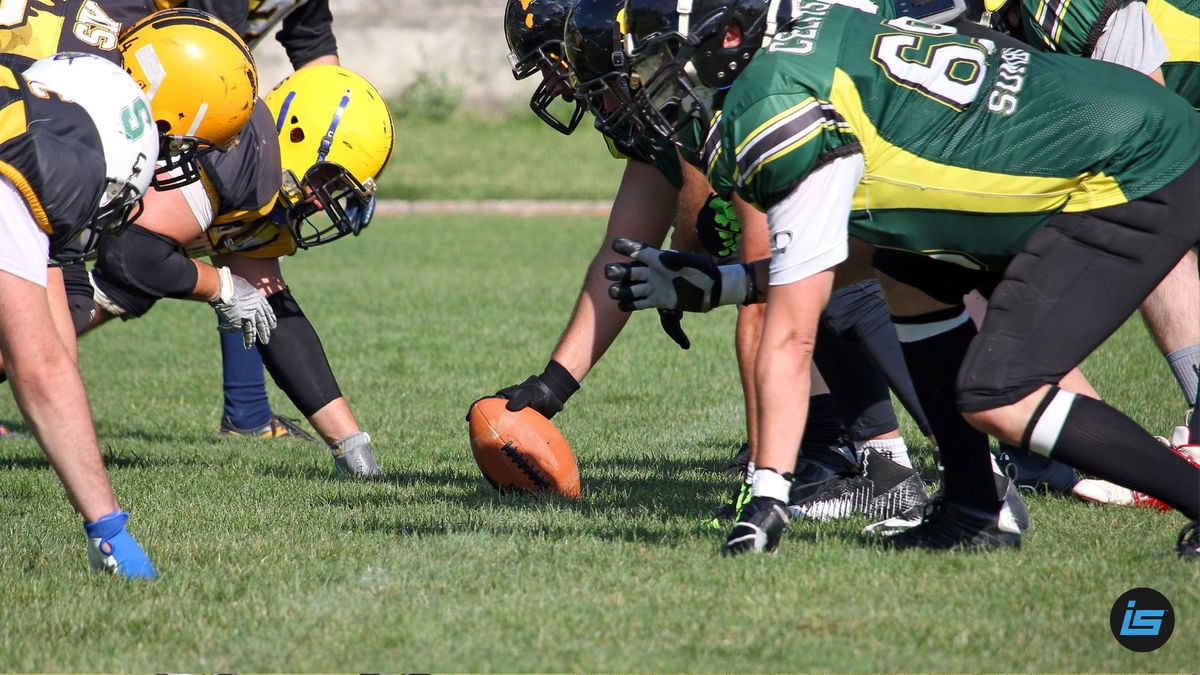
The line of scrimmage is an important spot on the field of football that serves as a legal boundary, determining what can and cannot occur at the start of a play. In effect, it separates both the defense and offense, providing a border that shapes the design, cadence, and spacing of games. This article will define the line of scrimmage, explain its importance in football strategy, and discuss various in-game scenarios for effective play.
Understanding the Line of Scrimmage
Definition of the Line of Scrimmage
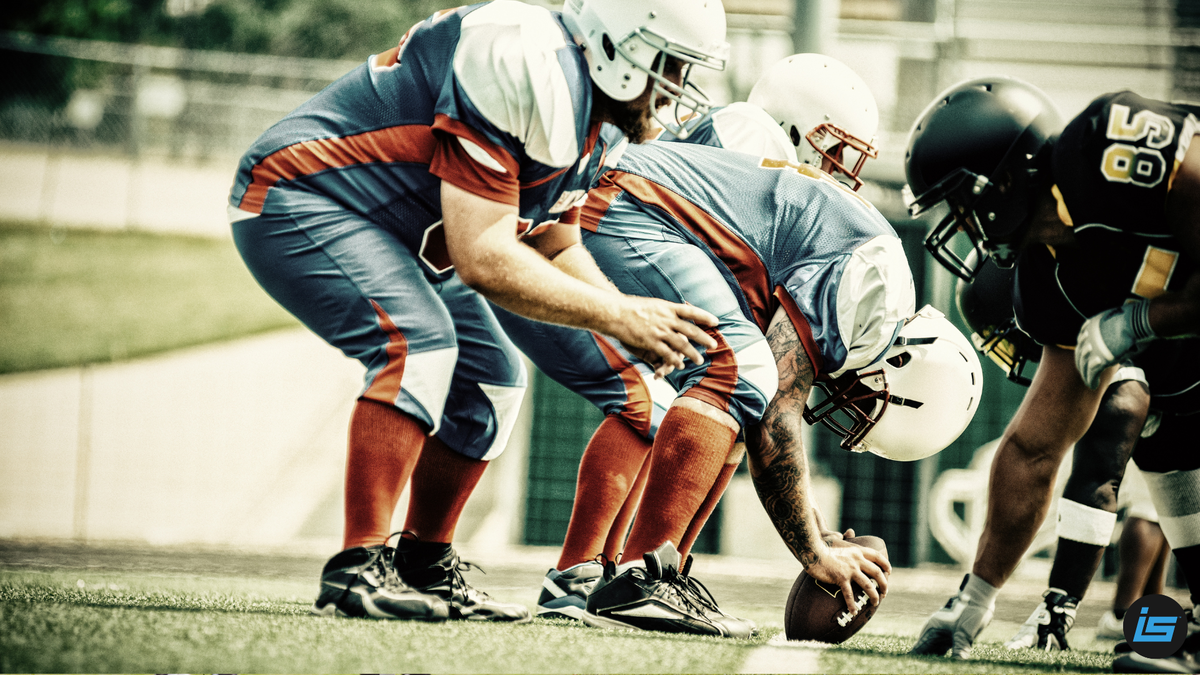
Before every snap and play, the ball is placed at a specific spot on the field, establishing an imaginary plane from sideline to sideline known as the line of scrimmage. The location of the scrimmage is determined by the forward point of the football and not by the players that line up around it.
Pre-snap alignment rules of players are built around this plane. Only the snapper is allowed to line up in the neutral zone to put the ball into play. All other players on the offensive team must remain behind it, while defensive players must respect the encroachment restrictions, which can result in penalties if otherwise broken. Because of these constraints, the scrimmage acts as the legal boundary that defines where movement can and cannot occur before the play begins.
Importance in Football Strategy
Control at the scrimmage shapes how a particular play and game unfold. As mentioned above, play design, cadence, and spacing are all controlled by where the ball is placed. Who can catch the ball depends on where players line up—whether they’re on the line of scrimmage or lined up behind it.
Where the ball is placed also helps the defense decide how to line up. Defensive players choose their spots and responsibilities based on that position. If either the offense or defense lines up incorrectly or doesn’t control this space well, it usually shows right away, like a blown play on offense or defenders getting through too quickly.
Differences in Flag Football
Flag football uses the same concept of a scrimmage but applies it differently due to physical constraints. Designated rushers are often required to line up several yards off the ball and raise their hands for identification before a play. Rushers are not required to rush. However, if committed, they must rush instantly. This removes immediate contact at the snap. This separation alters timing and spacing across the entire play.
Without traditional blocking, the ball spot functions primarily as a marker of time. Quarterbacks release the ball quickly, and route combinations develop within a short time frame of the snap. While the rules differ, the line of scrimmage still governs legality, cadence, and alignment, even if it no longer serves as a point of physical engagement between the offense and defense.
Game Scenarios and the Line of Scrimmage
Reading the Defense at the Scrimmage Line
Pre-snap information is gathered at the scrimmage. Quarterbacks and linemen scan the defense for weaknesses, such as wide defensive ends and separation between defenders, linebackers stacked directly behind tackles, or safeties creeping into the box.
These cues affect protection and route decisions. Recognizing these patterns consistently prevents failed plays and allows the offense to respond before the snap rather than after pressure arrives from the defense.
Routes and Their Impact on the Line
The route structure determines protection plans at the scrimmage. Quick-game concepts require linemen to hold their blocking position briefly without moving too far downfield during a play. Deeper route combinations extend the play and test the protection around the edge of the formation, meaning blockers must protect for a longer period.
Alignment mistakes often occur when receivers misjudge their position relative to the ball spot. Lining up too far forward results in illegal formation penalties, while lining up too deep can disrupt timing. Reinforcing your awareness of the neutral zone keeps routes and protection working in sync.
Adjusting Strategies During a Game
Game adjustments frequently revolve around what happens at the line of scrimmage. When defenders apply pressure, offenses may tighten up, leading to quicker throws or the quarterback rolling out. If a defense struggles to hold gaps, offenses may press to run the play until alignment changes.
Defensive counters follow the same logic. Shifting fronts, changing techniques, or delaying movement all aim to disrupt the offense before the snap. Teams that treat the scrimmage as an ongoing diagnostic tool, rather than a fixed starting point, adapt more efficiently as matchups evolve.
A Stronger Mindset for Football Players
As a football player, having a team-first mentality and working well with teammates is essential to success on the field, especially at the scrimmage, where communication can determine the outcome of a play. Having a trained mind for intense match scenarios is essential for coping under pressure and executing on a snap.
ISNation was built to help athletes train their minds with the same effort they put into training their bodies, preparing them for competition and giving them an edge in sport and in life. Learn more about our mission and sign up to be an ambassador here.