
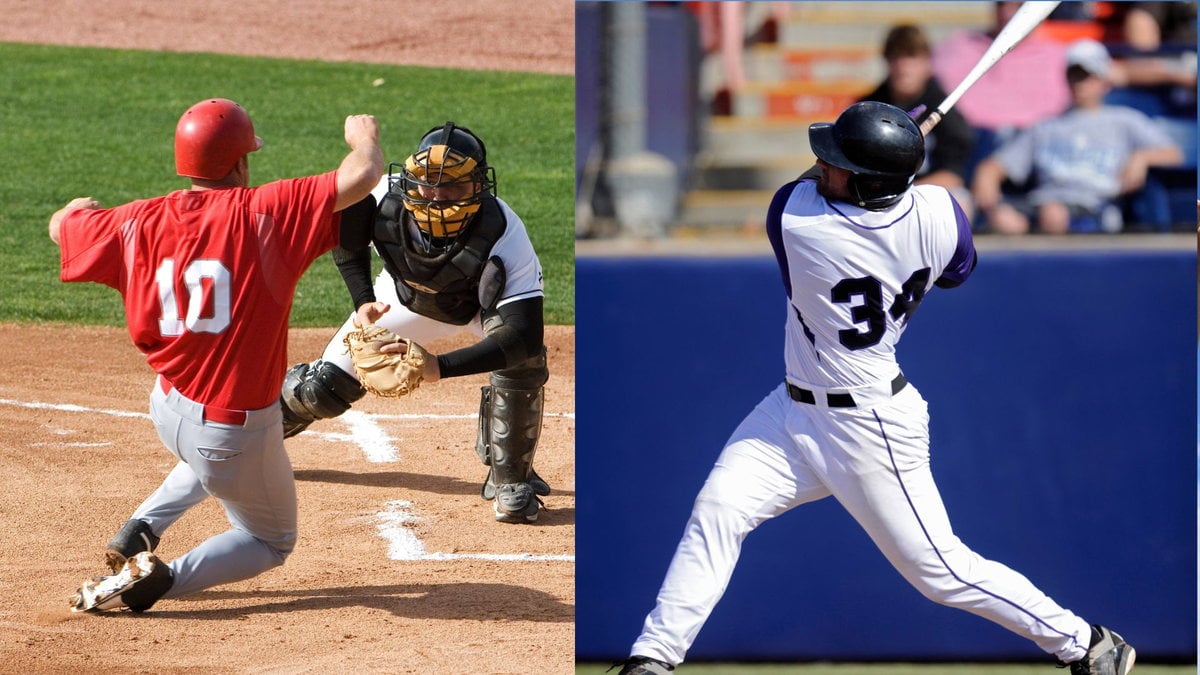
Understanding Baseball Position Numbers
Position numbers in baseball are a system used to identify each defensive role on the field. The numbers run from 1 to 9 and correspond to the nine defensive positions used in a standard game. These numbers function as a shared system of reference for scoring, instruction, and on-field communication between players.
For beginners, learning the various position numbers in baseball helps organize what can otherwise feel like a crowded, fast-paced, and often overwhelming game. Because numbers are tied to a fixed location and role, new players can use position numbers to understand what they need to do in play. This article will explore the importance of numbering in baseball, break down positions and responsibilities by number, and explain the similarities and differences between softball and baseball in terms of positions.
Importance of Numbering in Baseball
Position numbers are important in scorekeeping. When a play occurs, the scorer records it using numbers rather than the players' positions. For example, a ground ball fielded by the shortstop (6) and thrown to first base (3) is written as 6-3. This allows every play to be recorded quickly while preserving details about how it was made.
As a beginner, ball positions help with consistency and speed of learning. Since the numbers never change, players can move between teams or leagues without relearning how plays are recorded or discussed.
Similarly, baseball coaches use position numbers to give short, clear instructions during practices and games. Coaches can explain defensive alignments and other strategies with fewer words because of the numbering system. This is especially useful when working with new players who are still learning position names.
Detailed Breakdown of Baseball Positions by Number
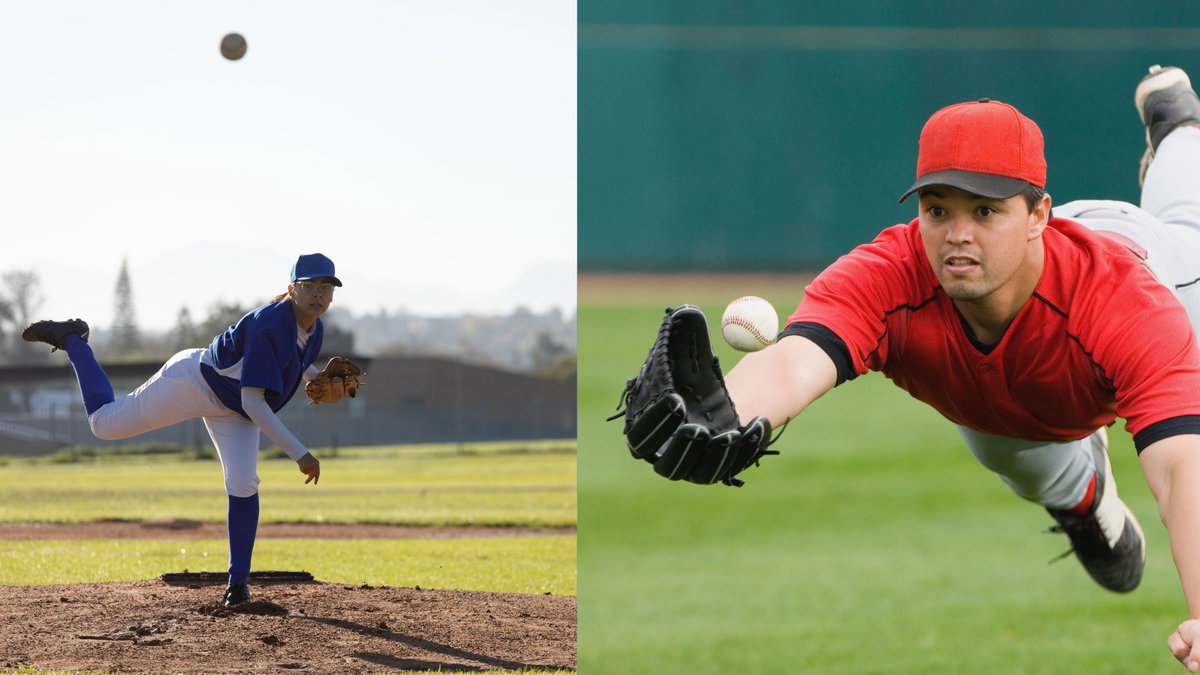
Pitcher (1)
Number 1, the pitcher starts every play by delivering the ball to the batter. Their main task is to throw pitches that either result in strikes or weak contact from the batter.
Once the ball is hit by the batter, the pitcher becomes a fielder. Covering first base and backing up throws to home are routine responsibilities for a pitcher.
Catcher (2)
Position number 2 belongs to the catcher, who sets up behind home plate. Receiving pitches cleanly and blocking balls in the dirt prevent runners from advancing. The catcher also signals the selection of the pitch, coordinating with the pitcher on what to throw.
Throwing out base runners is another core responsibility. This requires quick footwork, a fast release, and accurate throws to the infield.
Infield Positions (3-6)
The infield covers the area inside the base paths and includes four numbered positions.
First baseman (3) handles throws from other infielders and fields balls hit near first base.
Second baseman (4) works on the right side of the infield.
Third baseman (5) guards the left side, reacting to hard-hit balls down the line.
Shortstop (6) covers the middle.
Infielders are involved in most defensive plays. Clean fielding and accurate throws determine whether runners are out or reach base safely, making the role of infield players central to defensive success.
Outfield Positions (7-9)
Outfield positions are numbered 7 to 9 and defend the grass beyond the infield.
Left fielder (7) covers the left side of the outfield.
Center fielder (8) plays the middle, ranging the widest area.
Right fielder (9) covers the right side of the outfield.
Outfielders track fly balls, stop ground balls, and return the ball quickly to the infield. Their positioning affects how many bases a hitter can take during a play.
The Role of Each Baseball Position
Key Responsibilities of Pitchers and Catchers
Pitchers and catchers operate as a pair. Both coordinate pitch selection, pitch location, and game tempo. By varying pitch types and timing, they impact how a batter will approach each at-bat.
Defensively, both players must react to runners and batted balls. Excellent communication between these two positions is essential to function smoothly as a team.
Infielders: The Backbone of Defense
Most balls put in play are fielded by infielders. Ground balls often force plays, and double plays occur within seconds, leaving little margin for hesitation. Each infielder has a defined zone that must be adjusted based on the runner's placement and the pitch type.
Team coordination is consistent in the infield. Covering bases, relaying throws, and executing double plays depend on each player understanding their numbered role within a defensive structure.
Outfielders: Covering the Field
Outfielders defend the largest portion of the playing surface. Reading the ball off the bat determines whether a fly ball is caught or drops.
Communication matters most when balls are hit between defenders. The center fielder, the leader of the outfield, often prioritizes clean catches and avoids miscommunication between other team members.
Comparing Baseball and Softball Position Numbers
Similarities Between Baseball and Softball Positions
Baseball and softball are largely similar in their defensive layouts. Pitchers, catchers, infielders, and outfielders fill similar roles, and position numbers in baseball generally align with those used in softball. This overlap allows scorekeeping methods to transfer between sports with minor adjustments.
For players moving from one sport to the other, familiar numbering provides continuity, even as field size, bat size, and other factors change.
Differences in Positioning and Numbering
Differences appear in field dimensions and how a defense is aligned. Softball fields are smaller, which shortens reaction time and alters how far a ball can be thrown. Some softball formats include an extra defender, such as a short fielder, which has no direct equivalent in baseball numbering.
Pitching style also affects the positioning of players. Underhand pitching in softball changes how infielders prepare for contact compared to overhand pitching in baseball.
Adapting Coaching Strategies for Both Sports
Coaches working with both sports rely on a numbering system as a core foundation while adjusting their teaching to address spacing and timing.
For beginners, learning that position numbers describe roles rather than rigid movement patterns helps them apply them correctly, making learning easier. With a clear explanation, players can use the same numbering framework while adapting to the specific requirements of both baseball and softball.
Support Beyond the Field
Whether you play baseball, softball, or both, or are looking to get into the sports as a beginner, sometimes you need a helping hand outside of the field. This is where ISnation comes in. We believe you need to train your mind with the same effort you put into training your body, to give you the edge in sports and in life. Learn moreabout our mission andsign up to be an ambassador here.