
Understanding the Charging Foul
Definition of a Charging Foul
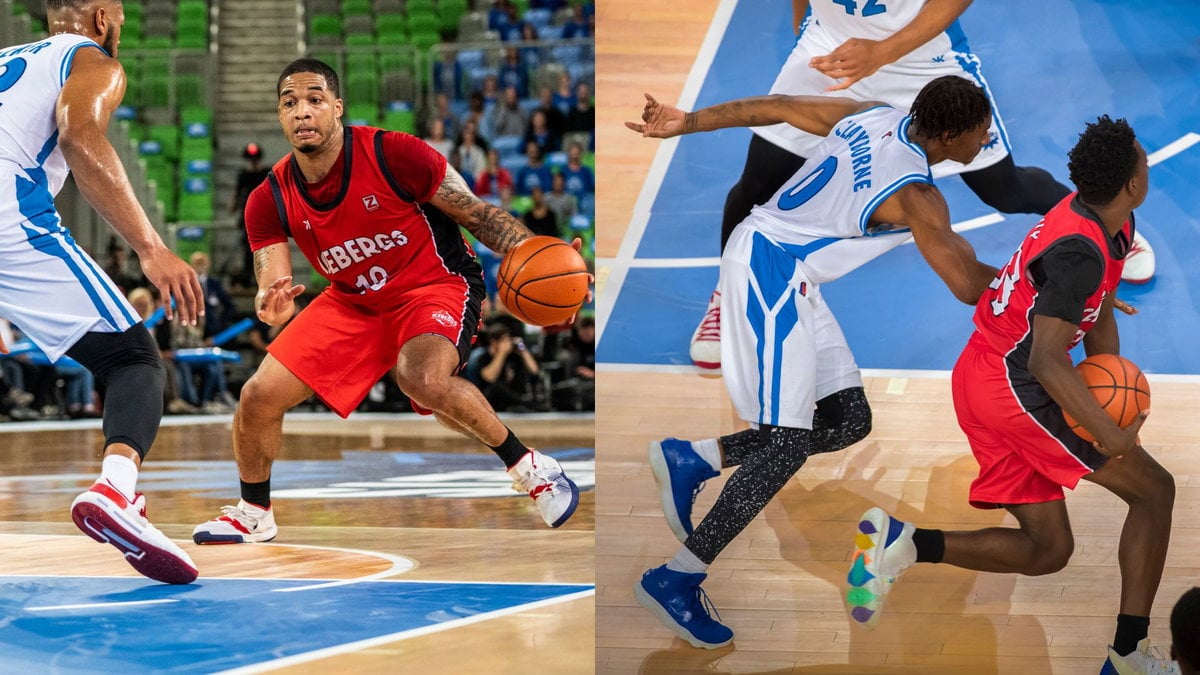
A charging foul in basketball is called when an offensive player makes contact with a defender who has an established legal guarding position. The defender should be facing the ball handler and have both feet on the floor. When the offensive player moves forward and makes contact with the opposing player's torso, the foul is made.
Officials judge charging fouls based on timing and body position. What matters is whether the defender was set in position early enough and a legal guarding position is established.
Importance of the Charging Foul in Basketball
If a charging foul is committed, the play is stopped, and the ball changes possession. It can also place personal fouls on scorers.
Charges also shape how the offence attacks the paint. Players driving to the basket must account for defenders rotating into position, which narrows the driving lanes. On the defensive side, teams focus on drawing charges, relying on anticipation, rotation, and getting into a legal guarding position early to stop drives from attacking players.
Differences Between Charging and Blocking Fouls

Both charging and blocking fouls involve contact between a ball handler and a defender, but there are differences in who is charged with the foul. When a defender establishes their legal guarding position early and takes contact, the foul is offensive. On the contrary, if a defender is not in their position or initiates contact, the foul is defensive and results in a blocking foul.
The Legal Guarding Position
Establishing Legal Guarding Position
A legal guarding position is achieved when you place both feet on the floor and face the offensive player. This position must be established before contact, not at the instant of impact. Once set, you are allowed to move sideways or backward to stay between the ball handler and the basket.
Facing the opponent matters as much as foot placement. Make sure to square your torso to the offensive player. If you lean forward, reach across your body, or turn partially sideways, it weakens your case for a charge and often results in a blocking foul.
Criteria for a Legal Charge
For a charge to be called, officials look for specific conditions rather than general contact. It is important to remember that these rules can vary by league:
You establish a legal guarding position early.
Your torso and feet remain aligned with the offensive player when there is contact.
The contact occurs through your torso, not your arms or legs.
The offensive player initiates the contact by driving forward into your space.
If any of these elements are missing, the call may shift to a block or be ruled incidental contact. Late rotations are the most common reason a potential charge is overturned.
Taking a Charge
How to Take a Charge
[find a youtube video to embed here]
Taking a charge begins with reading the offensive player’s intent. You step into the driving lane early, set both feet, and square your shoulders before contact. Balance is essential. Your body must be upright and stable at the moment the offensive player arrives.
After contact, your reaction should reflect the force applied. Natural backward movement is expected when absorbing a drive. Exaggerated motion or delayed falls reduce the credibility of the play and make officials less likely to assign responsibility to the offense.
Positioning to Take a Charge
Positioning depends on seeing both the ball and the space the offense wants to attack. Defenders often succeed by rotating from the weak side and arriving before the driver commits. Arriving too deep leaves no room to establish position, while arriving too high gives the ball handler space to change direction.
Standing just outside the primary driving lane allows you to stop with balance, square your torso, and react without stepping forward. This spacing provides enough reaction time to get set while still cutting off a direct path to the rim.
Common Mistakes When Drawing Charges
Late arrival is the most frequent cause of failed charge attempts. If you slide into position after the offensive player makes an upward motion or drive, it almost always results in a blocking foul. Leaning forward to absorb contact creates a similar problem, as it moves blame and responsibility to the defender.
Another mistake is prioritising the fall rather than the setup. Officials focus on feet, torso, and timing, not the visual impact of the collision. Losing sight of the ball handler during rotation also leads to mistimed positioning and unnecessary fouls.
Coaching Strategies
Teaching Players to Draw Charges
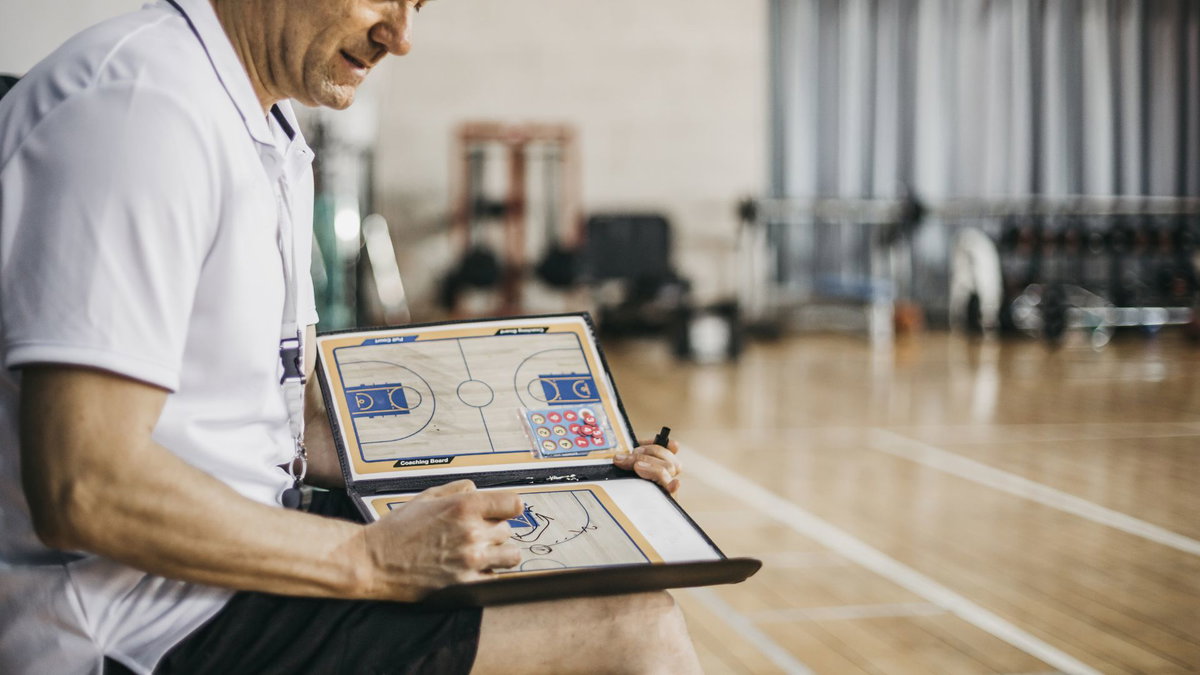
Instruction around charges starts with recognition rather than contact. You are taught to read driving cues such as lowered shoulders, straight-line attacks, and limited passing options. Early movement to the spot is emphasised over reacting at the last moment.
Clear guidance on when lateral movement is allowed helps reduce confusion. Understanding when you can slide and when you must be fully set leads to cleaner decisions and fewer blocking fouls during games.
Coaches influence charge attempts through defensive structure and feedback. In games, coaches also manage risk by discouraging forced attempts. Repeated late charges often lead to foul trouble, so players are encouraged to prioritise position and timing over trying to draw contact on every drive.
Building Smarter Defensive Habits Through Charge Awareness
This article serves as a general guide to charging fouls in basketball, defining their purpose, and explaining their importance. It has explored how to execute a legal guarding position in the face of a charge and how to take a charge with the right positioning. It provides players with a foundational understanding of what a charging foul is and its rules. However, it is important to remember that these rules differ by league and level of play, with unique variations in their execution.
At ISNation, you need to train your mind with the same effort you put into training your body to prepare you for competition and give you an edge in sport and in life. Learn more about our mission and sign up to be an ambassador here.