
Key Takeaway: When an athlete says they do not want you at the game, it may be about pressure, embarrassment, independence, or fear of disappointing you. Parents help most by staying curious instead of hurt, asking what kind of support feels safe, and keeping connection bigger than attendance. The goal is not to force closeness from the stands.
It can land like rejection
Your athlete says it quickly, maybe while packing their bag or getting into the car: “Can you not come today?” The words hit harder than they probably intended. You have driven to practices, paid fees, washed uniforms, rearranged weekends, and cheered through every kind of weather. Now they do not want you there.
It is natural to feel hurt. But if the first response is hurt, the conversation can turn into a loyalty test. Your athlete may shut down, apologize without explaining, or insist it is “nothing.” The better move is to get underneath the request before deciding what it means.
Sometimes athletes want space because they feel watched. Sometimes they are embarrassed by sideline comments. Sometimes they are trying to handle pressure and your presence makes the stakes feel higher, even if you are loving and quiet.
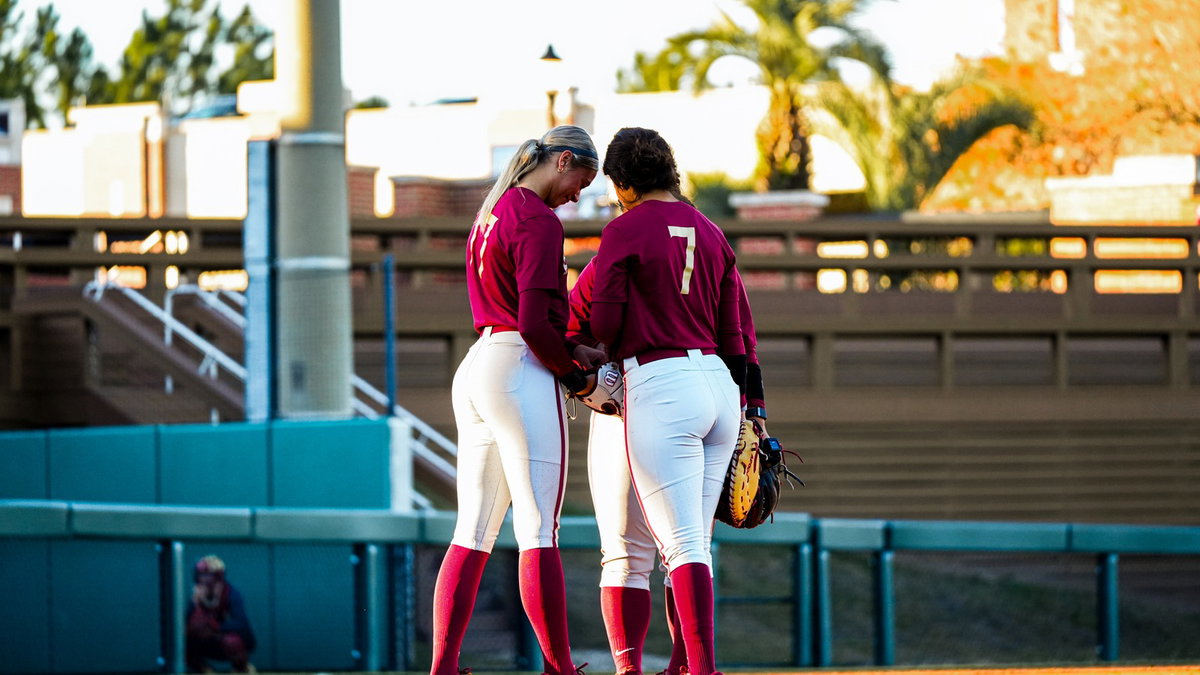
Being watched can feel different for every athlete.
Ask what changes when you are there
Try a calm question: “What feels different for you when I am watching?” Then actually wait. Your athlete may not have a polished answer. They may say, “I just feel weird,” or “I keep looking over,” or “I feel like you are disappointed.” Those answers matter.
This is where parents can learn something without defending themselves. You might not be doing anything wrong. At the same time, your athlete’s body may still interpret being watched as evaluation. Sports and performance psychologists at Johns Hopkins describe how pressure and anxiety can affect student-athletes, and family attention can be part of that pressure even when it comes from love.
If silence has become the pattern after games, ISNation’s piece on sports parenting and silence in hard moments may help you keep connection open without pushing too hard.
Separate presence from support
Being at the game is one form of support. It is not the only form. Ask, “Would it help if I came but stood farther away?” “Do you want me there for the first half only?” “Would you rather I skip this one and meet you after?” The answer may change by age, sport, season, or stress level.
This does not mean your athlete controls every family decision. It means their nervous system gets a voice. A reasonable compromise can protect both connection and independence. For some athletes, knowing a parent is nearby but not visually front-and-center helps. For others, one game of space can lower the pressure enough for an honest conversation later.

Connection can stay strong even when support looks different.
Watch the sideline habits
Even supportive parents can develop habits that feel loud to an athlete: coaching from the stands, reacting visibly to mistakes, talking about stats immediately after, filming everything, or comparing them to teammates. None of this means you are a bad parent. It means the sideline has emotional weight.
If your athlete asks for space, use it as a chance to audit your own game-day energy. What do they see on your face after mistakes? What is the first thing you say after a loss? Do they feel enjoyed, or evaluated? Small changes can help: fewer instructions, neutral body language, phone down unless they asked you to record, and a post-game greeting that starts with relationship before review.
Let love be flexible
At ISNation, we advocate for athletes, coaches, and parents to 'Start with Love' whenever faced with adversity in sports.
Starting with love does not always mean standing where you can see every play. Sometimes it means giving your athlete room to compete without feeling studied. Sometimes it means showing up quietly. Sometimes it means waiting in the car with food and steadiness.
The important message is, “My love is not dependent on being seen supporting you in one specific way.” When your athlete trusts that, they may become more open to your presence again. Attendance matters. But connection matters more. If you protect that first, you will have more room to figure out the rest together.
Try this this week
Before the next game, ask one low-pressure question: “What kind of support would feel best today?” Give options if your athlete has trouble answering. “Do you want me close, farther away, quiet, recording, not recording, or checking in after?” The point is not to negotiate every detail forever. The point is to learn what helps your athlete feel less watched and more supported.
After the game, resist the urge to prove that you handled it perfectly. Just reconnect. A simple “I liked watching you compete” or “I am glad I got to be here for you” keeps the relationship bigger than the request. If they asked you not to come and you agreed, follow up later with curiosity, not guilt: “Did having space help?”
This conversation may take more than one try. Teen and preteen athletes do not always know how to explain pressure clearly, especially when family love is involved. Stay steady enough that they can tell the truth without feeling responsible for your feelings. That steadiness is what makes future honesty possible.