

Key Takeaway: Recruiting pressure gets heavy when every rep feels like a referendum on your future. You do not need to perform like a perfect version of yourself to be worth a look. The goal is to show up prepared, stay coachable, and keep your identity bigger than one weekend.
Recruiting season can make a gym, a field, or a pool deck feel strangely quiet and loud at the same time. Coaches are on the sideline. Parents are trying not to hover. Teammates are acting normal, but everybody knows this weekend means something. And somewhere in the middle of that, your brain starts acting like every rep is a final exam.
That is the problem with being watched when you care deeply. The moment stops feeling like sport and starts feeling like judgment. One miss feels bigger. One awkward first touch feels louder. One coach who does not smile back can make you wonder if you just lost the whole opportunity.
Why the nervous system treats this like a threat

The body does not always know the difference between “important” and “dangerous.” Heart rate climbs. Breathing gets shallow. Your mind grabs onto the thing it can control, which is usually the thing you fear losing. That is why a showcase can feel bigger than a normal game even when the sport itself has not changed.
The danger is that you start using the recruiter as the scorekeeper for your identity. If they watch, you are validated. If they do not, you are invisible. If they nod, you are ahead. If they look away, you are behind. That is a brutal way to compete because it hands your nervous system to somebody who does not even know your name yet.
What the bigger picture says
The NCAA’s Student-Athlete Health and Wellness Study looked at mental health concerns, sleep, body image, nutrition, competition, and injury history. That matters here because recruiting pressure does not arrive in a vacuum. It sits on top of everything else athletes are already managing: school, training, social life, recovery, and the fear of falling behind.
The NCAA’s mental health best-practices guidance also makes a simple point: healthy environments should support mental health, and athletes should be able to access real support when they need it. In other words, the goal is not to turn pressure into something you just tolerate. The goal is to build a setting where pressure does not get to run the whole system.
That is a useful reminder for athletes, parents, and coaches alike. One weekend can matter without being the only thing that matters. A coach can watch a rep without that rep becoming your entire value. And a nervous system can settle once it stops being told that one glance from the sideline decides the future.
What to focus on instead of the imagined verdict
You cannot control who shows up, what they notice first, or whether they are having a good day. You can control your own scan. Before the event, pick three anchors: one breath cue, one body cue, and one effort cue. For example: breathe out longer than you breathe in, keep your shoulders soft, and attack the first rep instead of auditioning for perfection.
That may sound simple because it is simple. Simple is good when pressure is trying to make everything complicated. If your mind starts sprinting ahead to offers, rankings, and what-ifs, bring it back to the rep in front of you. Recruiters often notice how athletes respond after something awkward happens, not just when everything is clean.
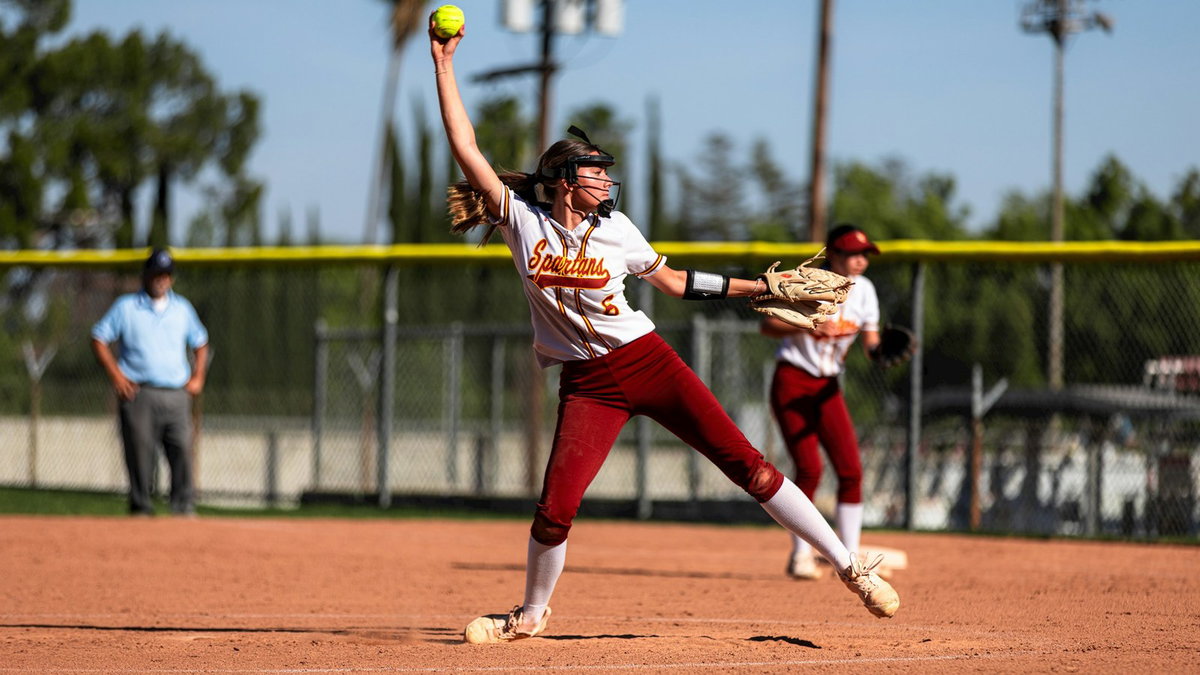
The point is not to force confidence. The point is to keep your attention where your feet are. When attention stays in the present, the event is an opportunity. When attention runs ahead, the event becomes a verdict before it has even started.
After the event, do not grade your whole future
The walk back from a showcase or camp can be emotionally misleading. You might replay one missed shot, one awkward comment, one coach who barely said two words. Your brain will try to turn those tiny moments into a final answer. Do not let it.
Instead, debrief like an athlete, not a courtroom. What did you control well? What got noisy? What would help you next time? That keeps the focus on feedback, which is useful, instead of fear, which usually is not.
And if a coach did not respond the way you hoped, remember that silence is not the same thing as a full evaluation. It can mean they are busy. It can mean they are watching more than one athlete. It can mean they liked the rep and still need more time. Do not let one unread room become your whole story.
That does not mean recruiting pressure is fake. It means the pressure is real, and your response to it matters more than the panic story your brain tries to write on top of it.
If you need a reminder that you are allowed to be more than the moment, come back to the basics: breathe, compete, connect, recover. The people watching are evaluating a player. You still have to be the person living inside the jersey.
Continue the conversation with us
If recruiting pressure is making every rep feel like a verdict, ISNation can help you keep the event in perspective and the athlete in focus. Download ISNation for practical tools that help young athletes handle pressure without losing themselves in it.