
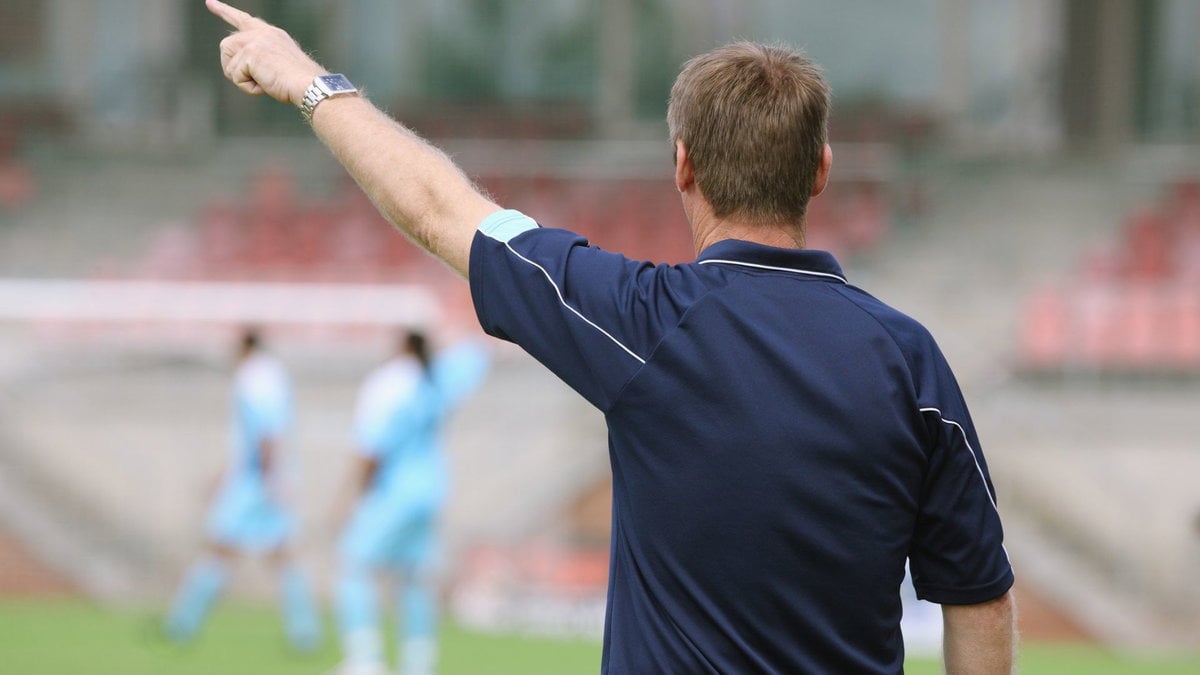
Key Takeaway: Coach approval can matter to a young athlete, but it should never become the only proof that they belong. Parents help most when they calm the temperature at home, keep the conversation about learning instead of earning, and remind their athlete that feedback is useful without becoming identity.
Your athlete comes home and does not talk much about the drill, the score, or the small wins you would probably celebrate if they let you in. They want to know one thing first: did the coach notice? Did the coach say anything? Did the coach smile, nod, or give them that tiny signal that says they are still in good standing?
That is a stressful place to live emotionally. The coach becomes more than a coach. Their reaction starts to feel like weather. If the coach is warm, your athlete can breathe. If the coach is flat or distracted, the whole day can feel cold.
A lot of young athletes are not really chasing applause. They are chasing relief. They want proof that they still belong, that they are not slipping, and that one imperfect practice did not quietly change their place on the team.
Why coach approval sticks so hard
Kids and teens are built to read authority closely. In sports, that sensitivity gets amplified because coaches control roles, feedback, minutes, and the emotional tone around the sport. Approval can start to feel like oxygen.
That is why a young athlete may react so strongly to a short comment or a quiet practice. The moment is rarely just about the rep. It is about what the rep seems to mean about belonging.
In Parenting an Athlete, Paul R. Stricker, MD, FAAP of the American Academy of Pediatrics writes that support should be unconditional and that self-worth should not depend on sport or level of achievement. That is the heart of this problem. When approval becomes the scoreboard, the athlete stops getting to be a person first.
The AAP’s report on overuse injuries, overtraining, and burnout, says pressure from parents, coaches, and others can lead kids to measure success only by performance. When that happens, sport stops being a place to learn and starts feeling like a place to earn permission.
What parents should not do in the moment
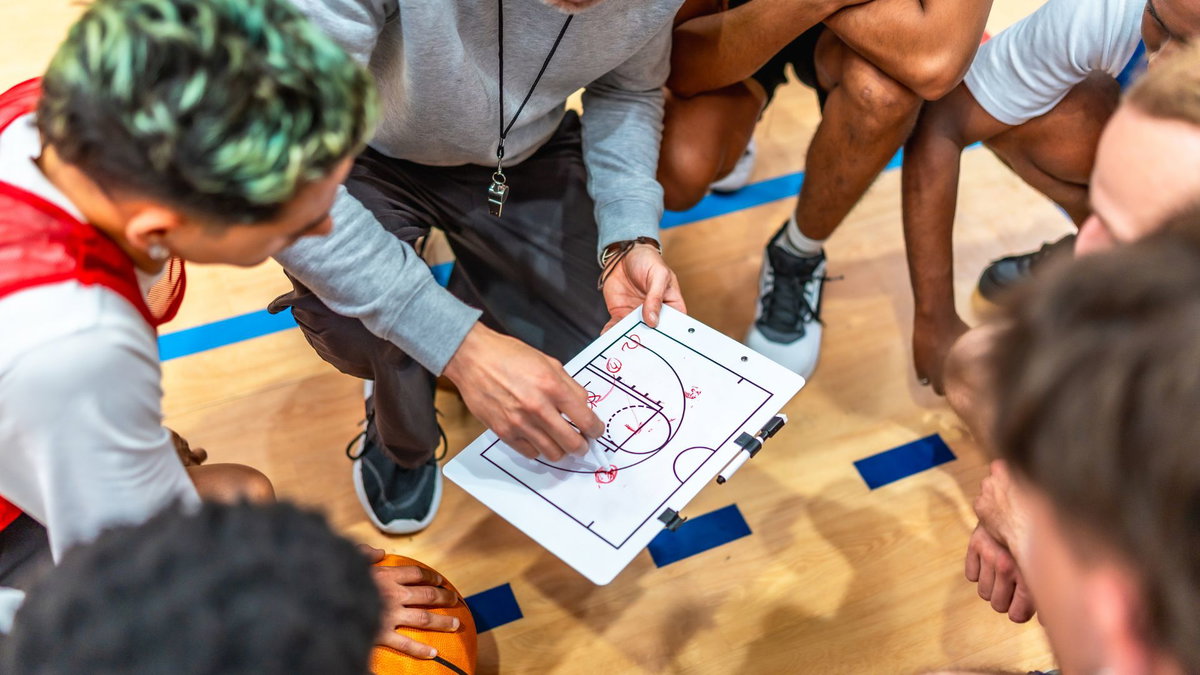
It is tempting to ask the first question that comes to mind: “Did coach like you today?” That sounds harmless, but it can quietly train your athlete to organize their mood around the answer.
Try not to become a second coach at home. If you turn every ride home into a review session, your athlete may start to hear your love through the same lens they hear the coach: Did I do enough? Was I good enough? Did I pass?
You do not need to pretend coach approval does not matter. It does matter. You just do not want it to become the only thing your athlete knows how to trust.
What to say instead
Lead with learning, not appraisal. Try questions like, “What did the coach ask for today?” “What felt clear?” “What is still fuzzy?” Those questions move the conversation from worth to information.
If your athlete is upset, stay close to the feeling before you jump to the fix. “That sounded hard.” “You wanted more clarity.” “It makes sense that mattered to you.” When the nervous system feels seen, the mind can usually hear more.
You can also help your athlete separate one person’s reaction from their identity. A coach can want more detail, more intensity, more consistency, or more communication without that meaning the athlete is failing as a person.
When the pattern needs more attention
If your athlete’s mood rises and falls with a coach’s tone, or if they start to dread every practice because of the possibility of not being noticed, the pressure has probably outgrown the moment. If they stop enjoying good sessions because they are already worried about the next comment, that is worth paying attention to.
That is especially true if your athlete starts avoiding honest questions, apologizing for normal mistakes, or acting like one coach’s attention is the only thing that makes them feel legitimate. At that point, you are not only dealing with motivation. You are dealing with belonging anxiety.
ISNation’s guide on talking to the coach when the conversation feels intimidating can help if your athlete needs language that is respectful and specific. The goal is not to win a coach’s favor in one dramatic conversation. The goal is to help the athlete ask for clarity without collapsing.
Give them a bigger scoreboard

The antidote to coach approval is not indifference. It is perspective. Build a scoreboard at home that counts effort, body language, recovery, communication, and courage. Not just outcome. Not just praise. Not just minutes played.
You can say, “The coach can guide your work. They cannot decide your worth.” That sentence does not make the coach irrelevant. It makes the athlete bigger than the coach’s mood.
Over time, that matters more than one good practice or one disappointing text. It gives your athlete somewhere steady to stand while the sport keeps changing around them.
The game still needs decision-making, even when a coach’s praise is the only thing your athlete wants to hear.
Start with Love is not a soft idea. It is a practical one. When an athlete knows they are valued before the next reaction, they can hear feedback without turning every rep into a referendum on who they are.
If coach approval is starting to shape your athlete’s mood, confidence, or sense of belonging, ISNation can help your family keep the conversation grounded in mental fitness, trust, and the athlete behind the performance. Download ISNation and keep building a sports environment where feedback is useful, but identity is bigger than feedback.