
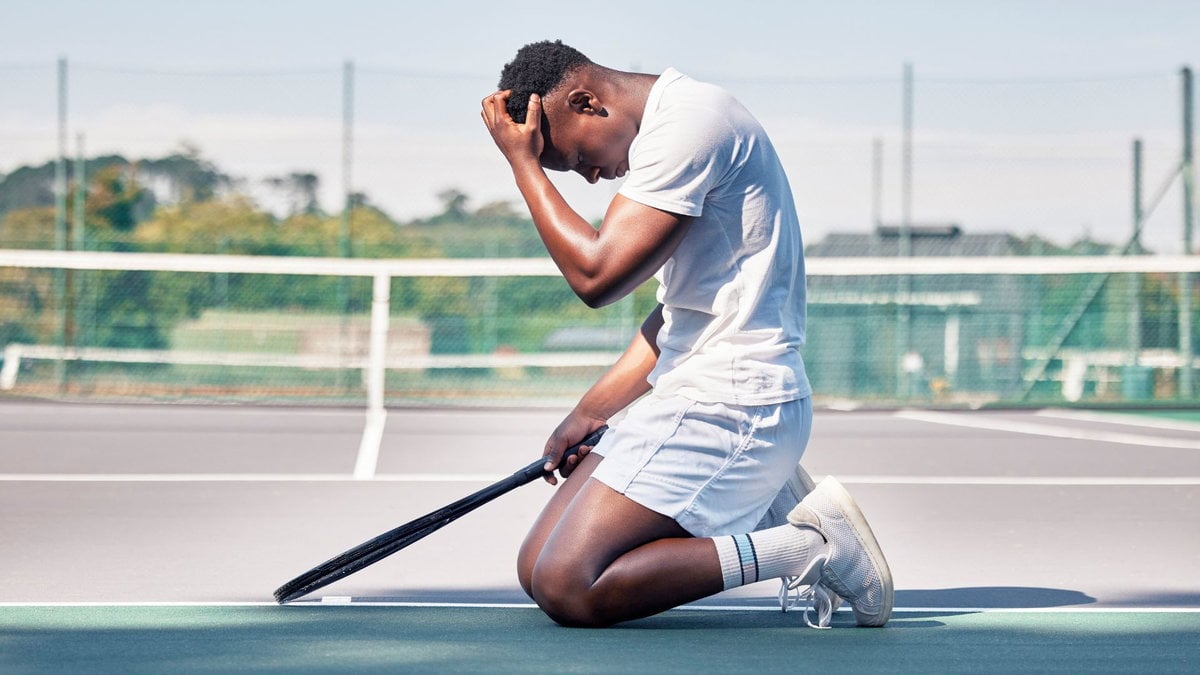
Key Takeaway: A postgame blowup at home is not always proof that your athlete is dramatic, disrespectful, or handling sports poorly. Sometimes it means they spent the whole game and car ride containing feelings they did not know how to carry. Parents help most by bringing calm first, connection second, and problem-solving later.
Sometimes the game ends, the cleats come off, and your athlete looks mostly okay. Maybe they answer your first question with a shrug. Maybe they say, "It is whatever." Maybe they even hold it together all the way home. Then the bag gets dropped too hard in the hallway. A sibling says one wrong thing. Dinner gets pushed away. Suddenly the whole mood breaks open.
For parents, that turn can be confusing. You were bracing for tears in the car and got silence instead. You thought the hard part had passed. Now you are left wondering whether the reaction is about the game, poor sportsmanship, exhaustion, embarrassment, or something bigger you missed in the moment.
What makes this especially hard is that sports often teach young athletes to stay composed in public. They may not want teammates to see them cry, coaches to see them crack, or parents to ask too much too soon. So they hold it together until they reach the place where the pressure finally has somewhere to go.
Why the biggest reaction can happen after the game, not during it
That delayed reaction is not unusual. Sport creates a similar setup. There is public pressure, social pressure, body pressure, coach pressure, comparison, and the private story an athlete is already telling themselves about how they played. By the time they get home, the nervous system may not want a lecture or a replay. It may simply be out of room.
That does not mean every outburst should be excused. It does mean the behavior makes more sense when you see it as stress finally finding an exit, not only attitude suddenly appearing from nowhere.
What parents often do in the first five minutes that makes it harder
Most parents move into problem-solving fast because they care. "What happened?" "Why didn’t you shoot?" "You need to shake that off." "Next time, tell the coach." Even reassurance can land like pressure if the athlete is still flooded. "You played great" may bounce right off if they are still replaying the turnover, missed chance, or awkward moment they cannot stop feeling.
The American Academy of Pediatrics offers a steadier sequence. In Creating Calm: How to Talk With Your Child When They’re Stressed, pediatricians Rachel Gilgoff, MD, FAAP, and Devika Bhushan, MD, FAAP, recommend the "3 Rs": regulate, relate, then reason. Their point is simple and useful here. A calm tone, a little space, and real listening lower stress faster than trying to fix the lesson before the athlete is ready to hear one.
That rhythm matters on tough sports days. If your athlete is in full postgame overwhelm, reasoning first usually sounds like pressure. Regulating first sounds more like, "You do not have to explain it yet." Relating sounds like, "I can tell that one sat hard with you." Reasoning can wait until the body is no longer braced for impact.
The silence or sharpness after a hard game is not always emptiness. Often it is emotion without language yet.

How to help the release without letting the whole night spiral
Start with a body reset before a debrief: water, a snack, a shower, or ten quiet minutes can do more than ten questions.
Name what you see without exaggerating it: "That looked like a lot to carry today."
Set a boundary on disrespect while staying connected: "You can be upset. You cannot take it out on everyone in the room."
Ask one small question instead of a full interview: "What hurt the most?" or "Do you want comfort, space, or help talking it through later?"
It also helps to avoid turning the first conversation into an evaluation. Your athlete already knows there was a scoreboard, a lineup, a missed play, a coach reaction, or a comparison they did not like. What they often need first is proof that home is not another performance review.
Later, once the nervous system settles, you can revisit the game with more clarity. That is when questions like "What stayed with you?" or "What would help next time?" become useful. If pregame nerves are part of the setup too, ISNation’s guide on how to ease the tension before games can help you support the whole arc, not just the aftermath.
What a healthier postgame home can teach over time
When parents stay steady after hard games, athletes learn something bigger than how to recover from one loss or one bad performance. They learn that strong feelings do not make them too much. They learn they do not have to hide the messy part of sport to stay loved. And they learn that home can help them come back to themselves, not only back to the game.
That does not make the hard nights easy. It does make them less lonely. And over time, that may be the difference between an athlete who keeps stuffing everything down and one who starts trusting that pressure can be shared before it turns into a full collapse at home.
If your athlete is holding everything together until they get home and then falling apart, ISNation can help you turn those postgame moments into support instead of more pressure. Download ISNation for practical guidance that helps families steady the athlete behind the reaction, not just the performance everyone else saw.