
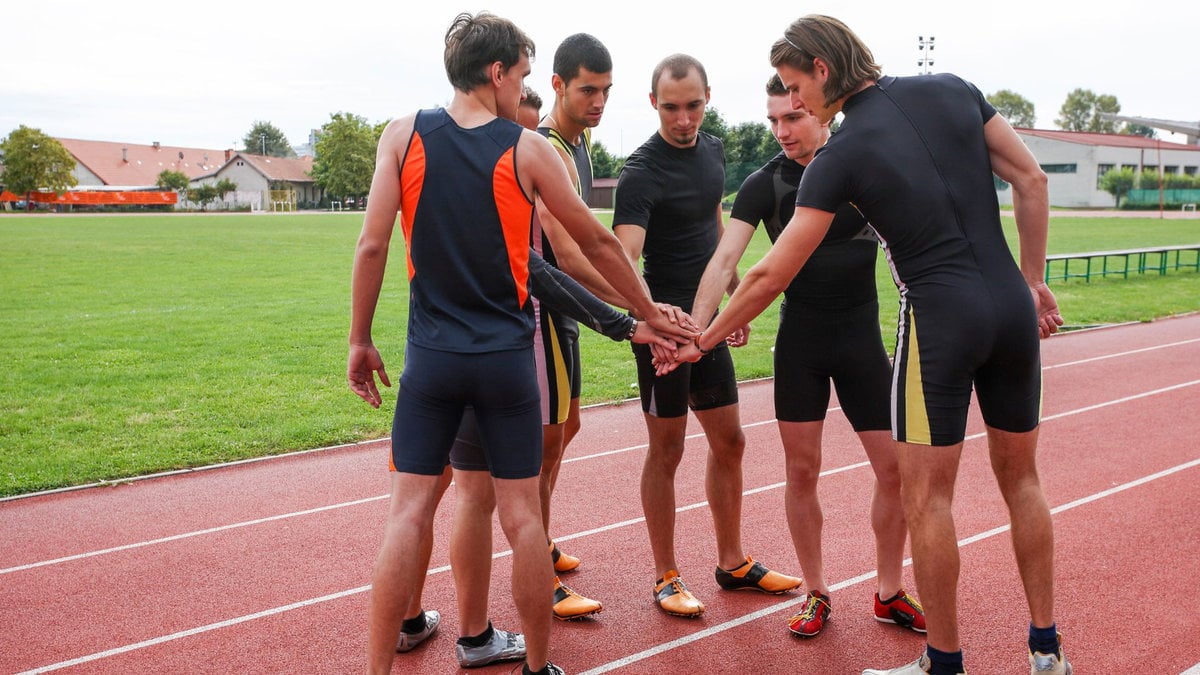
Key Takeaway: Travel weekends can stretch a young athlete far beyond the game itself. The load is often not just competition. It is the early wake-up, late night, social energy, noisy hotel, disrupted sleep, and pressure to stay “on” the whole time. Parents help most when they protect recovery before the crash instead of waiting for their athlete to prove they are overwhelmed.
A lot of parents know this moment. The tournament weekend is over. The team did fine, maybe even great. The photos looked fun. Everyone keeps saying how good the trip was. Then you get your athlete back in the car and they are not excited. They are flat. Maybe short with you. Maybe staring at the window. Maybe suddenly melting down over something small that does not seem to fit the day.
That does not always mean something is wrong with the sport. It often means the weekend asked for more than people counted. Travel weekends can pile up early alarms, unfamiliar beds, long gaps between meals, noisy downtime, team dynamics, performance pressure, and the low-level feeling of needing to stay switched on the whole time. Even athletes who love their team can come home carrying more than they know how to name.
Why the weekend can hit harder than it looks
Pediatrician Anna Esparham, explains that stress, anxiety, late phone use, and sports scheduled too close to bedtime can all make it harder for teens to fall asleep. She also advises parents to avoid overscheduling because kids need time to unwind at the end of the day. That matters on tournament trips, where the usual routine disappears and there is often no quiet runway into sleep.
Children and adolescents who do not get enough sleep have a higher risk of poor mental health and injuries. So when an athlete comes home more reactive, more emotional, or less able to bounce back than usual, it may not be attitude. It may be exhaustion wearing a different outfit.
What makes this especially hard is that travel weekends can look social and successful from the outside. Parents can start doubting what they are seeing because the athlete posted a smiling photo or laughed with teammates at dinner. But kids can have fun and still get overloaded. Those two things can be true at the same time.
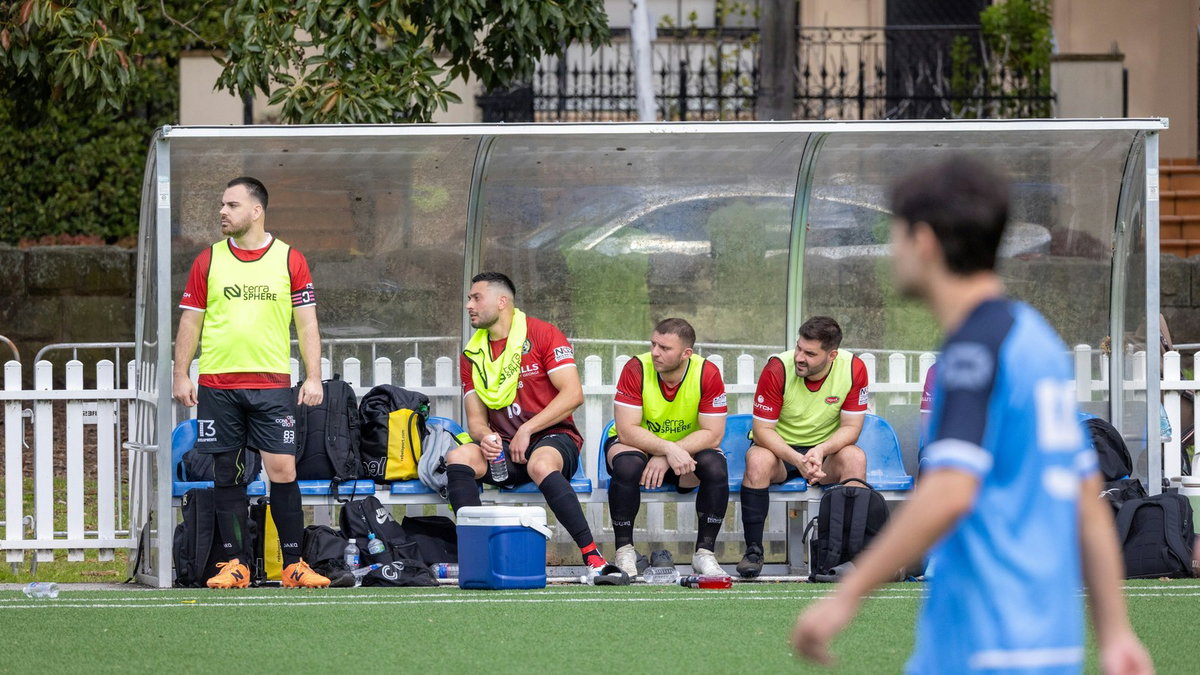
What drained can look like after the event
Sometimes the signs are physical. Your athlete sleeps half the ride home, says they are starving, or complains that their legs feel dead. Sometimes the signs are emotional. They snap at a sibling, cry faster than usual, or act like every question feels too loud. Sometimes the sign is just withdrawal. They do not want to talk about the weekend because talking would require one more thing from a system that is already overused.
This is where parents can accidentally raise the temperature without meaning to. If the first questions are about stats, coaching decisions, playing time, or what comes next, your athlete may hear that the performance report matters more than the recovery signal.
You also do not need to assume every drained athlete is having a crisis. The goal is not to panic. It is to notice patterns. If every team trip ends with the same shutdown, irritability, or empty feeling, that is information. It may mean your athlete needs more sleep protection, more alone time, less social pressure, or a gentler re-entry home.

How to protect recovery before the crash
Build one quiet pocket into the trip, even if it is just 20 minutes without teammates, screens, or postgame review.
Treat bedtime like part of performance, not an optional detail after team bonding.
Pack easy food and water so the athlete is not trying to recover on adrenaline alone.
Lower the pressure to recap everything the second the event ends.
If your athlete already gets wound tight before events, pair this with ISNation's guide on easing pre-game tension. Athletes who burn a lot of emotional energy before the first whistle often have less left by the last ride home. That does not make them difficult. It just means the whole weekend has to be counted, not only the minutes of competition.
At the same time, let recovery look personal. One athlete wants to talk. Another wants fries and silence. Another wants a shower and zero eye contact for an hour. You are not trying to force the ideal ending to the weekend. You are trying to help your athlete return to themselves.
What to say on the way home
Keep it plain. "You look wiped." "You do not have to give me the whole recap right now." "We can talk later if you want." "Let's get your body settled first." Those kinds of lines tell the athlete that recovery is allowed before analysis. That is often the exact message they did not know they needed.
Travel sports can still be meaningful, fun, and worth doing. This is not about making everything smaller. It is about refusing to treat depletion like proof of commitment. A good weekend should not always cost your athlete the version of themselves you most want to protect.
If team travel is leaving your athlete more drained than excited, ISNation can help you protect recovery without making sport feel fragile. Download ISNation for practical support that keeps the whole weekend, not just the scoreboard, in view.