When I think about what sports have meant in my life, I don't just think about competition. I think about belonging.
Growing up, my sport was my escape. It was such a passion, and it was where I felt complete. Horseback riding was where I felt most like myself. And when my parents got divorced and my family life became unstable, the people who were in my life through my sport became my family.
At the barn, there were girls my age, girls older than me, lessons, shows, long days, and people I looked up to.
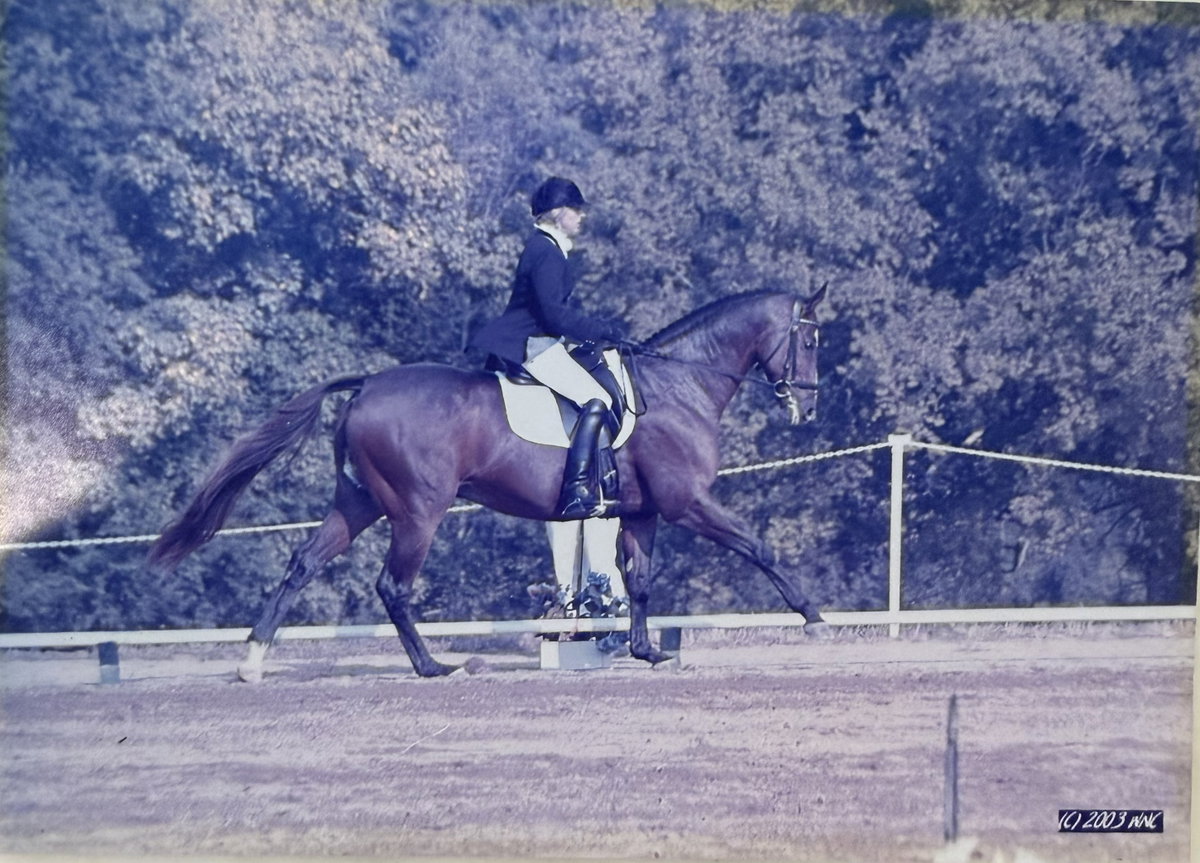
We competed together, spent entire days together, and built relationships that became a steady part of my life.
I was disconnected from school and high school and all of that, but through my sport, I had a place where I belonged.
My sport saved me. There's no question.
That is the power of sports at its best. It gives young people a place to grow, a place to be seen, and sometimes, a place to be held together when the rest of life feels unstable.
What Title IX Made Possible
When I think about Title IX, I think about every girl who deserves that same chance.
Title IX was about access, yes. It gave girls and women opportunities that should have always been available. But to me, it also represents something deeper. It helped shift the way society saw what girls and women were allowed to become.
There was a time when a girl's life was largely decided for her. What she would do, how she would spend her time, what she was allowed to want. Sports belonged to boys. Ambition belonged to men. And girls were quietly taught to stay inside the lines drawn for them.
Think about what that does to a girl's identity, her worth, and her purpose.
One of the things I appreciate most about Title IX is that it helped society start honoring who each individual person was and allowing them to be themselves versus being labeled into a group.
It created space for girls and women to find their own light through sport, in whatever sport they loved and to whatever degree they chose.
That is worth celebrating. But if we are going to honor what Title IX made possible, we also have to be honest about what female athletes are facing now.
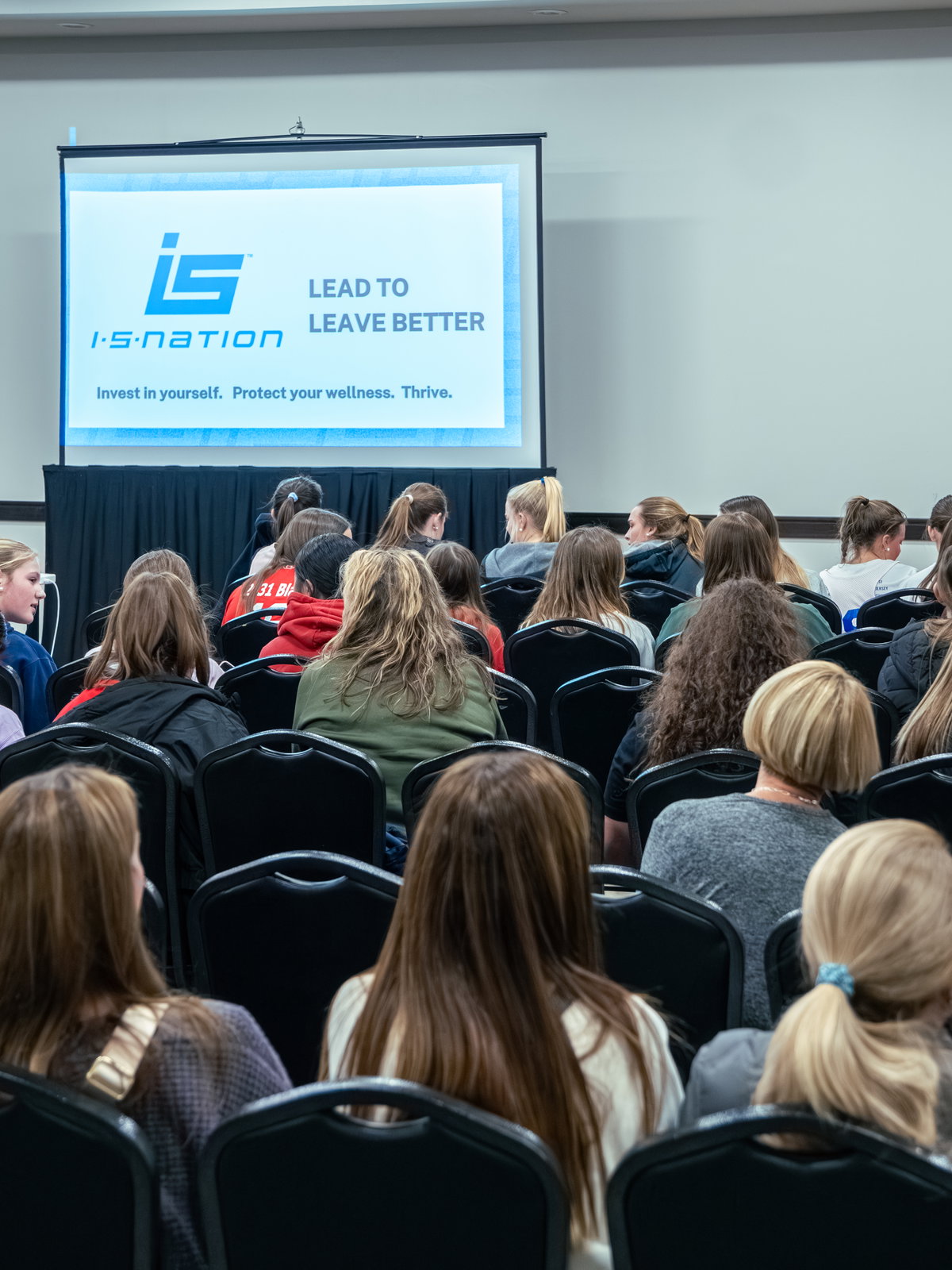
The next chapter of girls' sports depends on what athletes experience inside the room, not just the access on paper.
Access Was the Beginning, Not the Finish Line
Today, girls have more opportunity in sports than generations before them. That is a beautiful thing. But opportunity alone does not guarantee that athletes are being protected, supported, or seen as whole people.
As a Mom, and through the work we are building at ISNation, I see how hard it is for young athletes to navigate the current ecosystem of sports. Most kids start a sport because they love it. It brings them joy. They want to play, learn, compete, be with their friends, and feel the excitement that made them fall in love with the game in the first place.
But somewhere along the way, that joy can get stripped away.
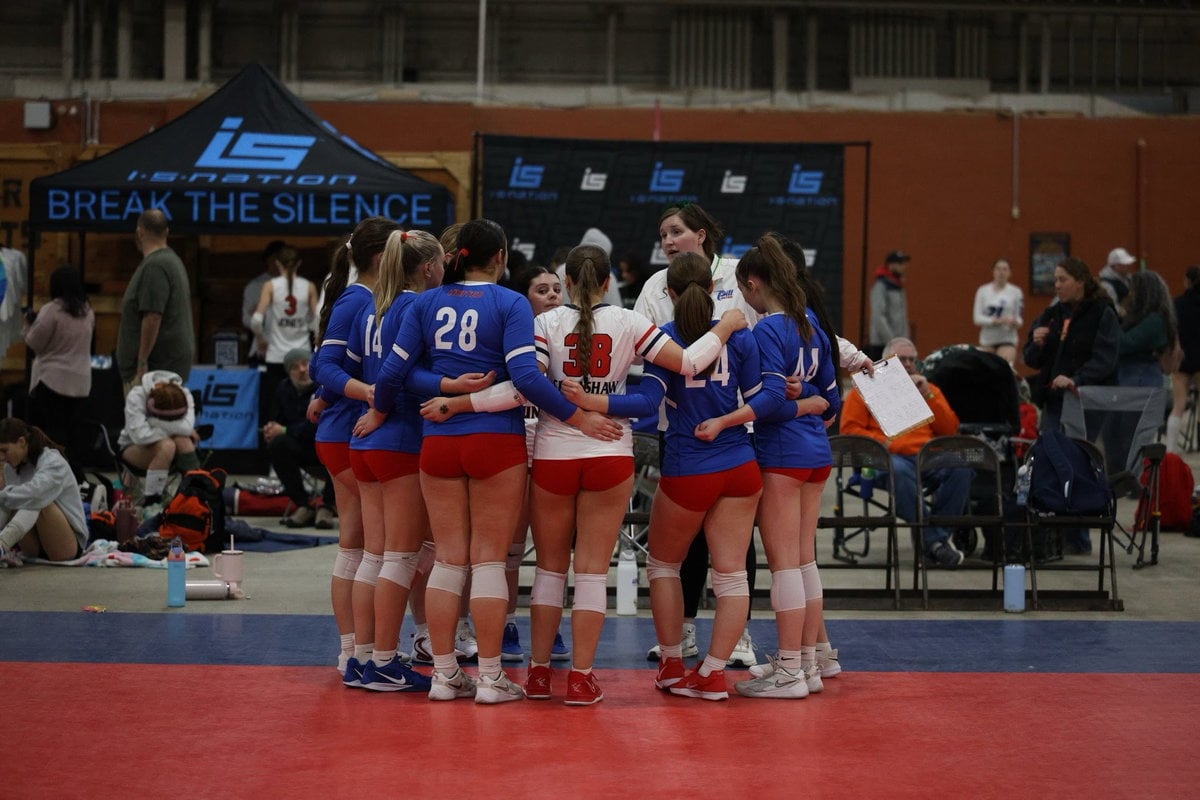
Their sports season does not end anymore. Spring turns into summer camps. Summer turns into fall tournaments. One team becomes two teams. Training becomes year-round. A sport that started as something fun can suddenly feel like something an athlete is not allowed to step away from.
I was talking to a parent recently whose daughter started playing soccer because she loved it. They thought it was for the season, but then it became summer, then spring, then more and more. They felt like they could not say no. That is what so many families are facing now. The culture of nonstop sport just does not end.
And when sports become driven by money, pressure, and fear of falling behind, the love and joy that brought kids into the game can get buried.
The Pressures Female Athletes Carry Today
The pressure young female athletes face today is different from what many parents experienced growing up. It is not just about playing well in a game. It is recruiting, rankings, social media, club teams, showcases, specialization, comparison, and the feeling that if they are not doing more, someone else is getting ahead.
The comparison game is still there. Social media just fuels it. Athletes see what another girl is doing, where she is playing, what offer she received, what team she made, and they start wondering if they are behind. They feel pressure to conform to something that may not even be what they really want.
And that is where I get concerned. Because when an athlete starts trying to become what the system rewards instead of staying connected to who she is, she can start losing herself.
She can lose her joy. She can lose her confidence. She can lose her voice.
And we do not want these girls to lose their voice.
That is one of the most important things we can protect in young female athletes today. Not just their ability to compete, but their ability to speak, choose, feel, ask questions, and stay connected to what brings them joy.
When that parent asked me, “What do I do? How do I help my daughter?” My answer was simple: let her play sports. If she wants to play other sports, let her. Do not make her feel like she has to only play soccer because the system says that is the path. Don't let her lose her voice. Stay doing what brings her joy.
Leadership Without Losing Yourself
As a female CEO, I also think about what young female athletes see when they see women in leadership. My hope is that they see that anything is possible, that they are so capable, and that there is not a mold they have to fit into.
That lesson took time for me to learn.
In the beginning, I compared myself so much to other people. That comparison made me feel like I could not do this, or that I was not worthy of being able to really lead this company. But the more I learned and the more I grew, the more I realized that growth was not about becoming someone else. It was about becoming more confident in who I already was.
It was about trusting what had always been there, the passion, the drive, the deep belief that how you treat people matters as much as what you achieve.
That is what I want young female athletes to understand. It is not about what they are “supposed” to become. It is about who they are and how we nurture that. Their identity, their worth, their gifts, and their voices matter.
Who you are is enough.
What the Next Chapter of Women's Sports Requires
Title IX changed sports by opening doors. The next chapter has to be about making sure the athletes walking through those doors are healthy, supported, and seen as whole people.
If I could name one change I hope to see in women's sports over the next ten years, it would be this: “that the system prioritizes the athletes and not the revenue.”
The pressure keeps building, and something is going to pop if we do not pay attention. Kids are struggling. Families are overwhelmed. Coaches are under pressure. And too often, the athlete's well-being becomes secondary to performance, money, schedules, rankings, and outcomes.
We need a healthier culture overall. We need relationships to become the priority. We need athletes to become the priority. We need better coach education, better tools for athletes, better support for parents, and a more complete way of developing young people through sports.
At ISNation, we call that the complete athlete. It is not just about performance. It is about giving athletes information, support, connection, and tools that help them grow beyond the field. It is about supporting the person, not just the player.
The Responsibility We Carry Now
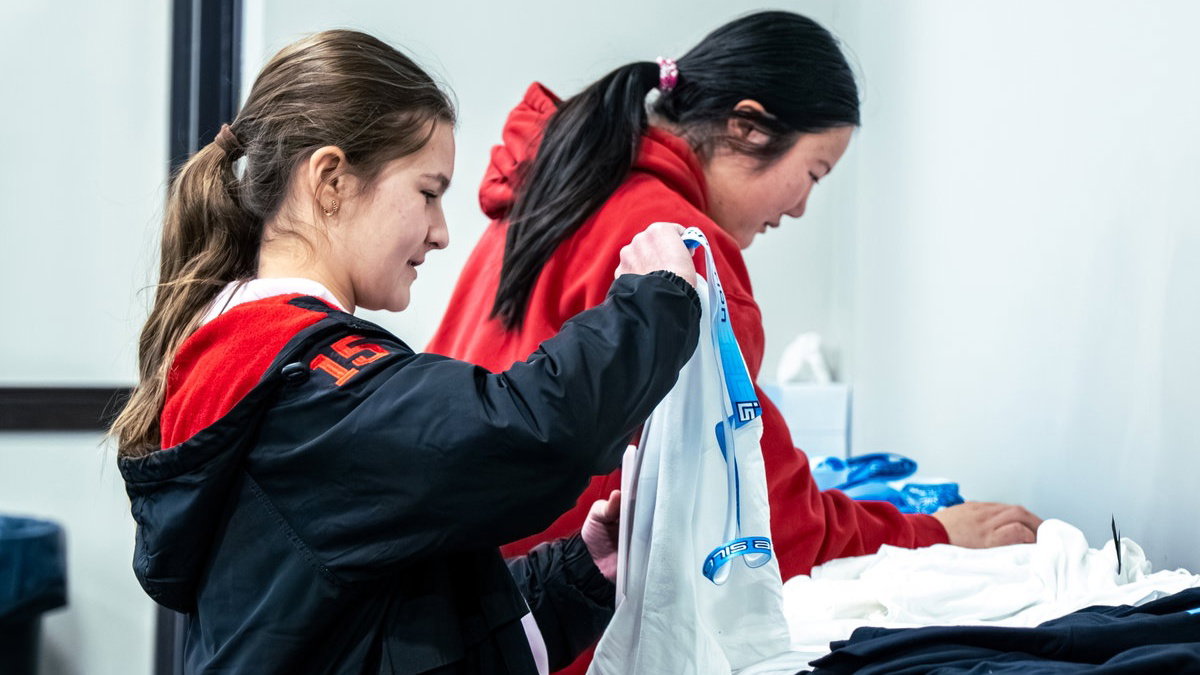
I have hope for the future of women in sports because more people are willing to talk about what has been hidden. The light is being shown on the darkness, on the pressure, on the silence, and on how challenging it has been for so many athletes.
That gives me hope because we do not want these athletes to feel alone.
Title IX helped girls find their place in sports. Now our responsibility is to make sure every girl in sports knows she is more than her performance. She is more than her ranking, her roster spot, her recruiting timeline, her stats, or her last game.
She deserves to play. She deserves to lead. She deserves to grow. She deserves to be supported by parents, coaches, teammates, brands, and communities that see her as a whole person.
And she deserves to keep her voice.
That is the next chapter of Title IX.
Not just opportunity, but belonging. Not just access, but support.
Not just a place to play, but a culture that helps every girl find her light and hold onto it.