
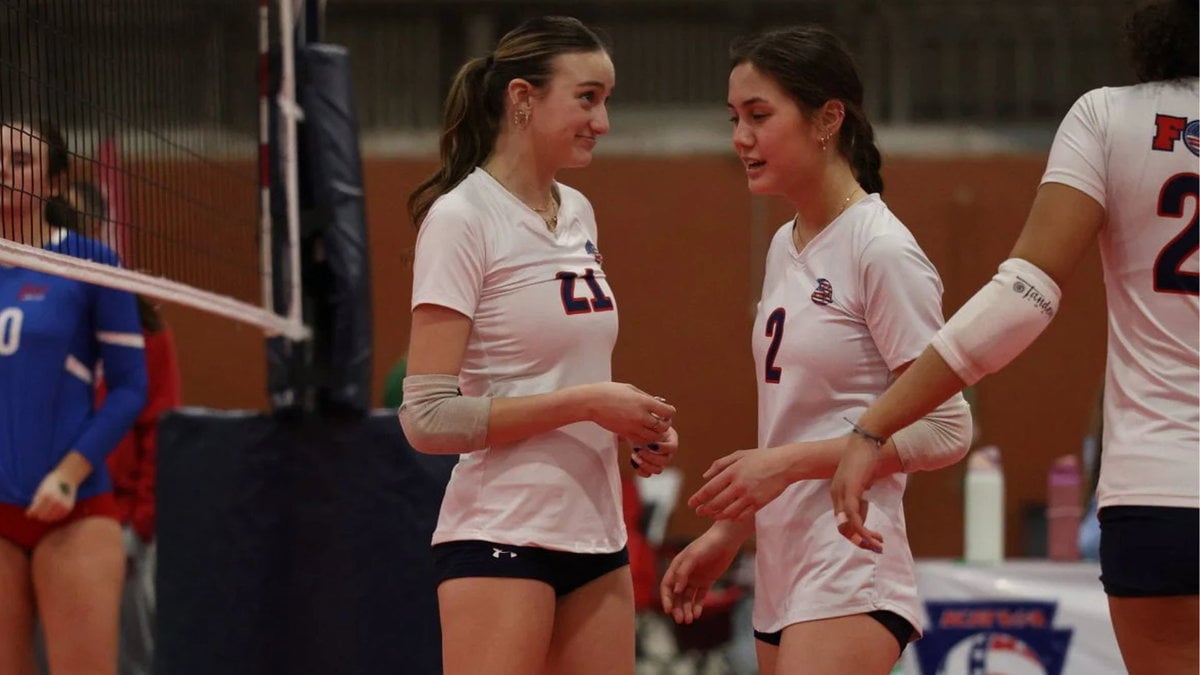
It starts the same way for so many parents.
The car ride to the game goes quiet. Your athlete stares out the window, jaw tight, picking at their fingers. Maybe they say their stomach hurts. Maybe they don't say anything at all. You want to help — but you're not sure what to say or whether saying anything will make it worse.
So you say something. You've worked so hard for this. You're going to do great. Just have fun. And they nod. But the look doesn't change.
The nerves athletes feel around competition are real — and when they're not understood or supported, they can affect not just how a young athlete performs, but how much they enjoy the game and whether they want to keep playing at all.
What makes this especially hard for parents is that the signs aren't always obvious. It's not always tears or a meltdown. Sometimes it looks like withdrawal, irritability, your kid saying they don't want to play anymore — and you not knowing why.
So much of what young athletes feel before competition is tied to how deeply they care — how much of themselves they've poured into their sport, and how much it means to them to show up and do well.
The nerves your child feels aren't a sign of weakness. They're a signal of how much this matters to them.
Nerves Aren't the Enemy — They're a Message
Before you try to fix your athlete's nerves, it helps to understand what's actually happening — and why it's more normal than you might think.
Being nervous before a competition is natural — and even helpful. That racing heart, that restless energy, those butterflies — they alert the mind and body that something is coming that requires more energy and focus than usual.
When faced with a challenge, the brain releases stress hormones like adrenaline and cortisol that prepare the body to act quickly and decisively.
In other words, your child's body is doing exactly what it's supposed to do: preparing.
The problem isn't the feeling itself. It's what happens when a young athlete doesn't know how to make sense of it.
Sports psychologists at Johns Hopkins explain it this way: if nerves are seen as something distressing, they're likely to cause a young athlete to freeze or pull back. But if athletes can be taught that those feelings are normal and useful, it creates a mindset of being open to them — rather than afraid of them.
That shift — from something is wrong with me to my body is ready — is one of the most powerful things a parent can help their athlete make. And it doesn't start at the field. It starts in the car. At the dinner table. In the quiet moments before the game.
Try This Before the Next Game
Help your athlete reframe what they're feeling with a simple check-in:
"Those butterflies you're feeling? That's your body gearing up. It means you care — and that's a good thing."
Or if they say their stomach hurts:
"That feeling means you're ready. Let's use it."
The goal isn't to talk them out of the nerves. It's to help them stop being afraid of them.
Share this: "The goal isn't to eliminate nerves before competition. It's to help your athlete see them for what they really are — their body getting ready for something that matters." — ISNation
The Things We Say With Love That Make It Harder

Here's the part no one really wants to talk about — but every honest sports parent needs to hear.
Most of what we do before a game, we do out of love. We encourage. We reassure. We remind our athlete of how hard they've worked. We want them to feel ready and confident and calm. But sometimes, without realizing it, we can make it worse.
Young athletes don't just feel pressure in what you say — they feel it in how you act. Anxiety is transmitted from parent to child through observation. Even well-intended comments can communicate to a child that this moment is a very big deal — and that they'd better not get it wrong.
Think about the car ride again. The silence you're filling with you've got this and I know you'll do great. Your athlete hears the love in those words. But underneath them, they can also hear the weight — the expectation, the hope, the fear that maybe it won't go well. Kids are remarkably tuned in to the energy of the people they love most.
This isn't about blame. Every parent in the stands is doing their best. It's about awareness — because once you see it, you can change it.
Instead of:
"I know you'll do great." "You've worked so hard — it's going to pay off today." "Just don't be nervous, you've got this."
Try:
"I love watching you play." "Whatever happens out there, I'm proud of who you are." "I'm just happy to be here with you today."
That subtle shift removes the weight of outcome and replaces it with something your athlete can actually feel safe in — your unconditional presence. Practicing this consistently tells them: my support isn't something you have to earn.
And when they know that, they walk into the game from a place of connection — not pressure.
You Don't Have to Navigate This Alone
Nerves before competition isn't a problem to solve once. It's something athletes learn to work with over time.
And you don't have to figure it out alone.
Other parents are navigating the same conversations. The same car rides. The same look in their athlete's eyes before a big game.
Hear from sports psychologists, athletes, and coaches who've been in your shoes — and learn what actually helps. Join us on the ISNation app and discover tools you and your athlete can use together.