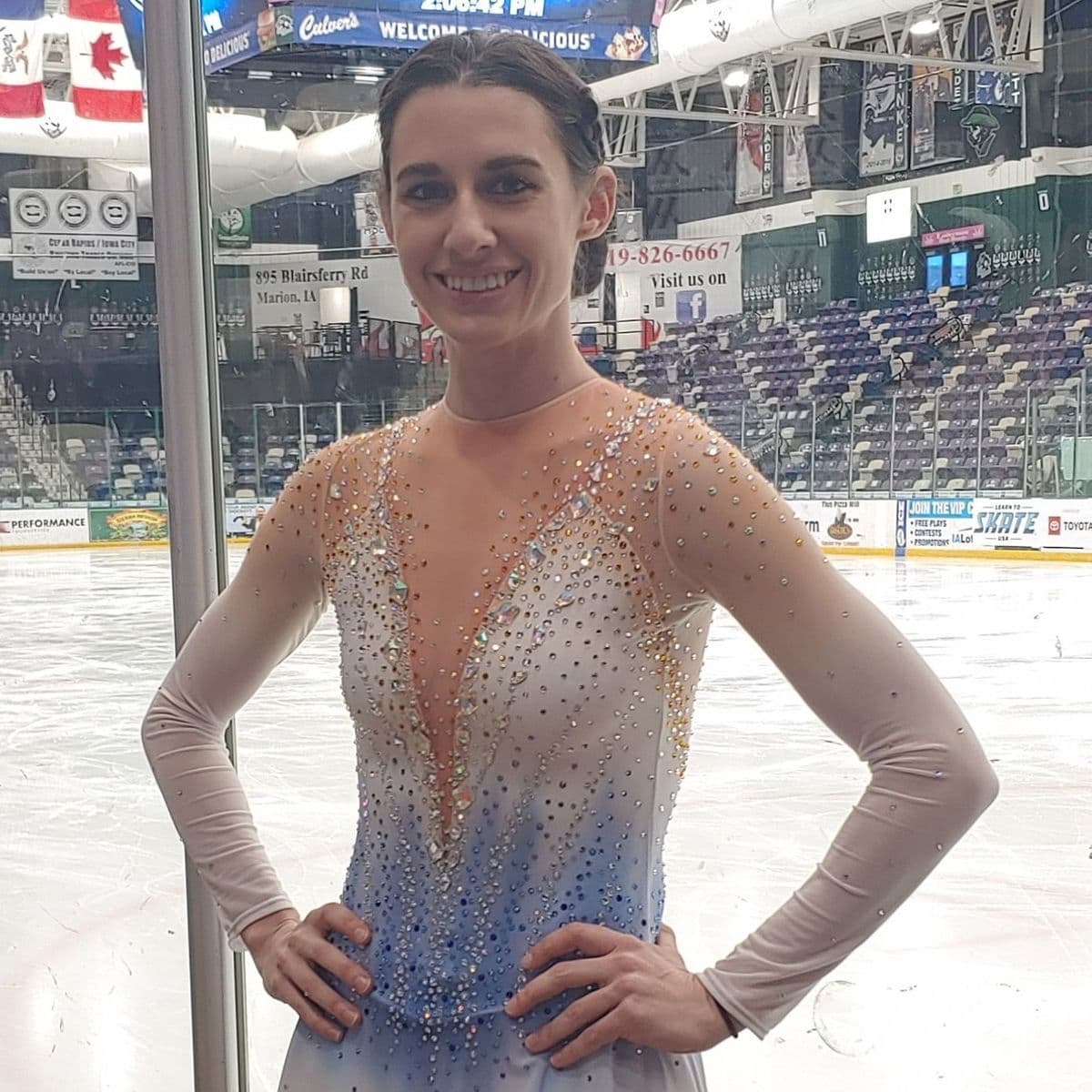
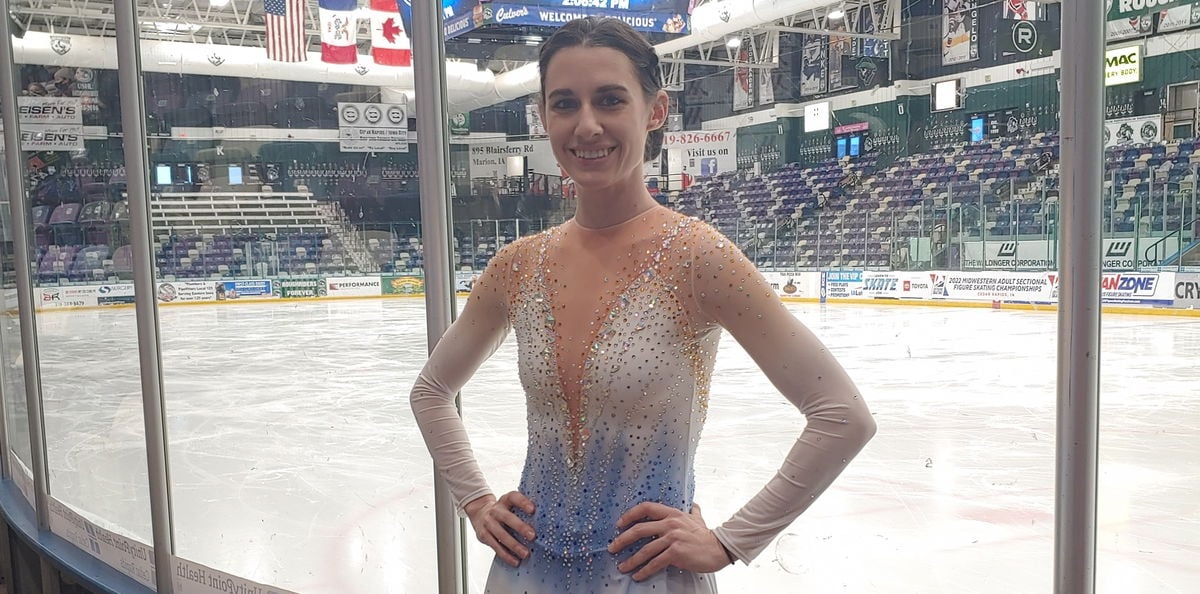
Everyone struggles, and our platform exists to help athletes feel seen and to ensure their stories are heard. In doing so, we hope that other athletes going through hard times can feel less alone and know that there is always a way forward, even when it does not feel like it at the moment. This story is a deeply personal one from one of our ambassadors, Nichole Soltis, a figure skater, who shares her experience with disordered eating, body image, and the pressure that can come with sport.
Please consider sharing this story with the athletes in your life. Conversations like these help create environments where athletes feel safe speaking up and getting the support they need.
Content Warning: This story discusses eating disorders, body image struggles, and recovery and could be triggering for some people. If you or someone you know is struggling, we encourage you to seek support from a qualified professional. Resources are available at the bottom of the article.
Nichole's Story
Remember when you first started playing sports? It was all so fun! For me, I would watch the “older girls” skate & think “I want to skate just like them”.
Then, things started to change. It all got harder, my best was no longer good enough, and I couldn’t even begin to count how many times I have wanted to quit over the years.
I started skating when I was almost 3 years old and entered my first competition at the age 5. From then on, I was that girl who loved the ice. The one who felt inspired when my blades touched the ice, the one who had dreams, goals and wishes, the one who skated for herself, and not for anyone else.
Fast forward to high school and I had hit rock bottom. I developed an eating disorder and no longer had the strength or energy to meet the demands of skating. I became so focused on being the “Perfect Skater” that skating became more of a chore than a fun leisurely activity.
Most of my life I have spent trying to shrink myself
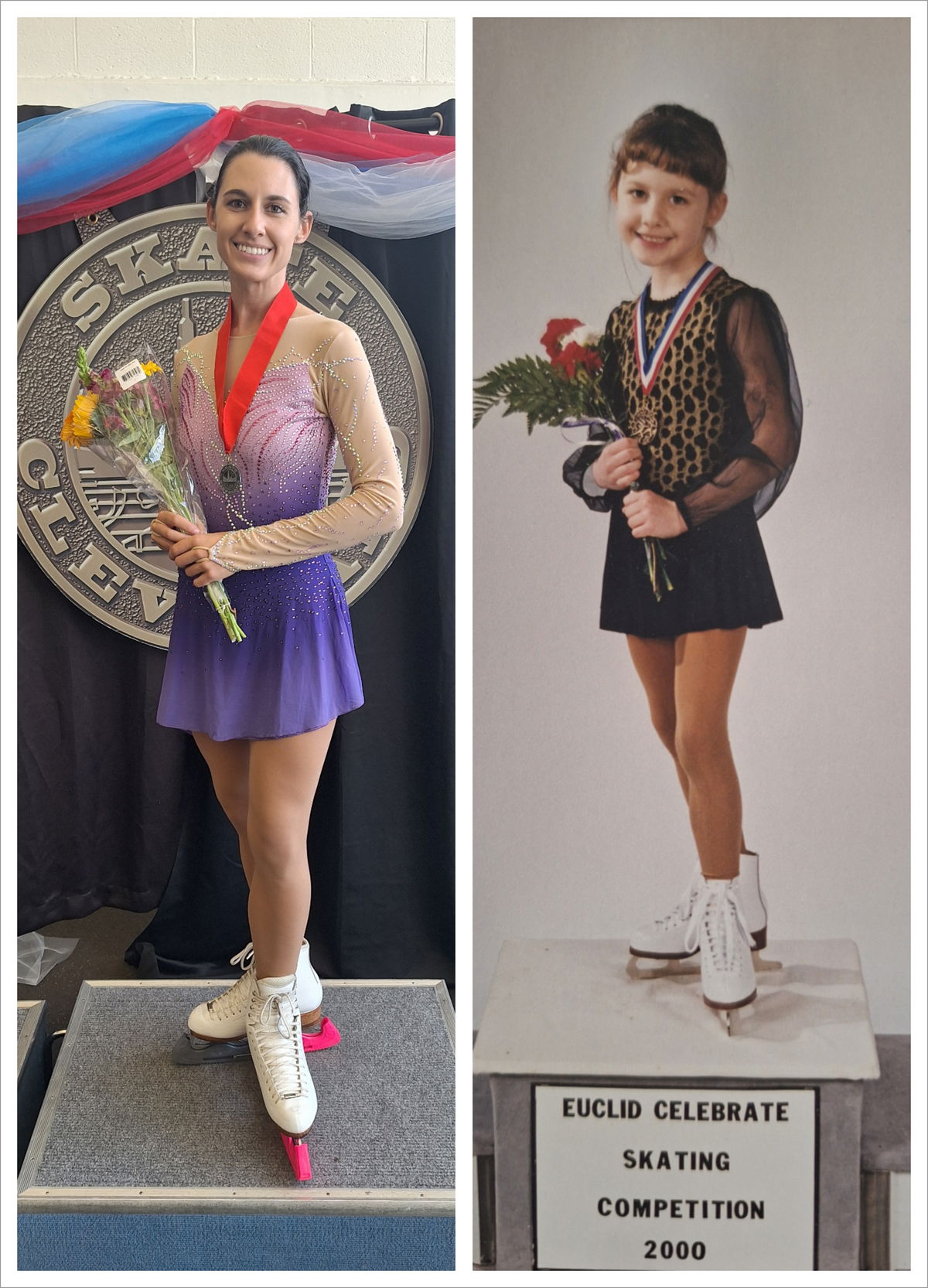
I was always trying to become smaller, quieter, less sensitive, less me because I did not want to be a burden. I assumed that everything I was doing was wrong and that everything had to be perfect to make up for the fact that it was me. I described myself as a “perfect example of a mistake” . I turned to obsessing over exercise, food and body image.
The control I had over food and my body made me feel like I had finally found something I was good at. Restricting my food intake and over exercising gave me a sense of confidence and accomplishment that I was lacking in areas of my life. I didn’t need people confirming that what I was doing was right or wrong because the evidence showed up on the scale as the numbers went down. This was mine and only mine. I decided what I did and did not eat; I decided how much I ate and exercised. I controlled it, or so I thought.
I was determined to prove to everyone that I could succeed at my eating disorder and be a perfect skater. But, you know what happens when you get better at your eating disorder?
You lose yourself.
I completed Eating Disorder Treatment and eased my way back into skating; It was not easy, but I had the support from my coaches and friends who have become my second family.
As I eased back into skating, I was still working with a therapist, dietitian and my medical team for support on an outpatient basis. Skating is not like riding a bike, it took awhile to get back to where I was before treatment. Jumping and spinning felt different. Not to mention when you go to Eating Disorder Treatment, you gain weight. I had to re-learn how to work with my body again, not against it.
In 2021, I participated in my first ever National championships and while I did not make it on the podium, I learned so much from this competition. This competition helped put figure skating and mental health in a better perspective for myself. You can always bounce back. You can always get up after you fall. Chase your dreams; nothing comes to you, you have to work for it, believe in yourself, and trust your training.
You can’t always win but you can always learn.
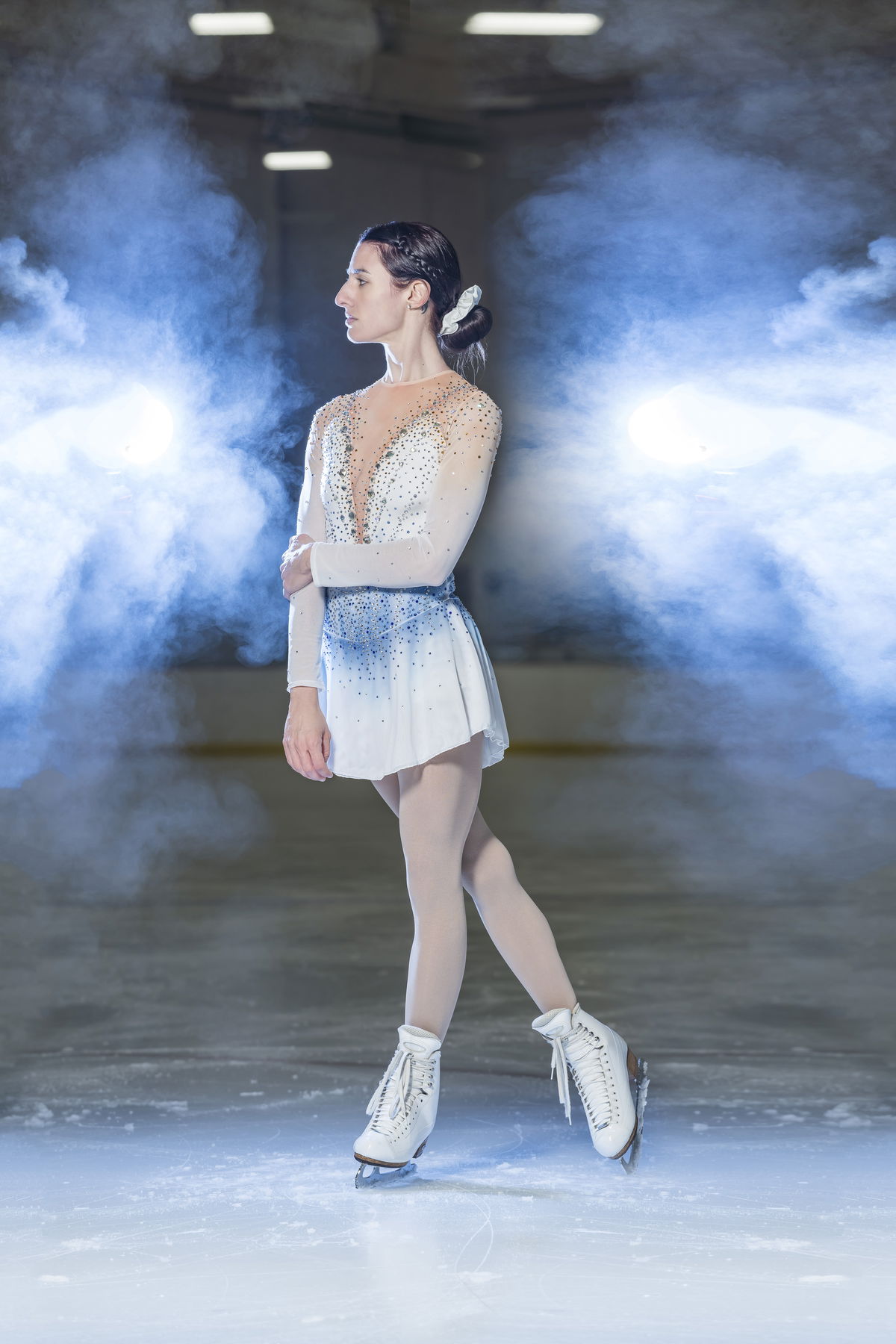
Determination, commitment, practice and dedication is all worth it in the end. Even if you fall 5,000 times, you still tried and that is all that matters. Each competition I have competed in has given me the opportunity to learn and grow in skating.
It’s not about winning medals; it’s about learning how to compete and understanding how hard you have to work in order to achieve your goals.
Honor, respect, and trust are such powerful words. It’s important to remember that when you have an eating disorder you have to nurse yourself and be gentle towards yourself. Just like an athlete wouldn’t break an ankle and then force themselves to run on the ankle. They rest and as it heals they do not think “I am a failed athlete.” They think “Right now something isn’t working so I’ll take care of myself until it does”.
Just like a broken bone, eating disorders can change the way your daily life plays out and pushing yourself too hard and getting frustrated when you don’t feel better is just like trying to run on that broken ankle and getting frustrated when it doesn’t heal. You have to honor, respect and trust your body and in return, your body will honor, respect and trust you!
Eating Disorder Support Resources
If you or someone you know is struggling with disordered eating, body image, or an eating disorder, you are not alone. Support is available, and talking to someone can make a difference.
National Eating Disorders Association (NEDA)
Helpline and screening tools
Website: https://www.nationaleatingdisorders.org
National Alliance for Eating Disorders
Referrals, education, and support groups
Website: https://www.allianceforeatingdisorders.com
ANAD (National Association of Anorexia Nervosa and Associated Disorders)
Free support groups and recovery resources
Website: https://anad.org
988 Suicide & Crisis Lifeline (U.S.)
Call or text 988
Available 24 hours a day for emotional distress or crisis support
Crisis Text Line
Text HOME to 741741
Free, confidential support via text