
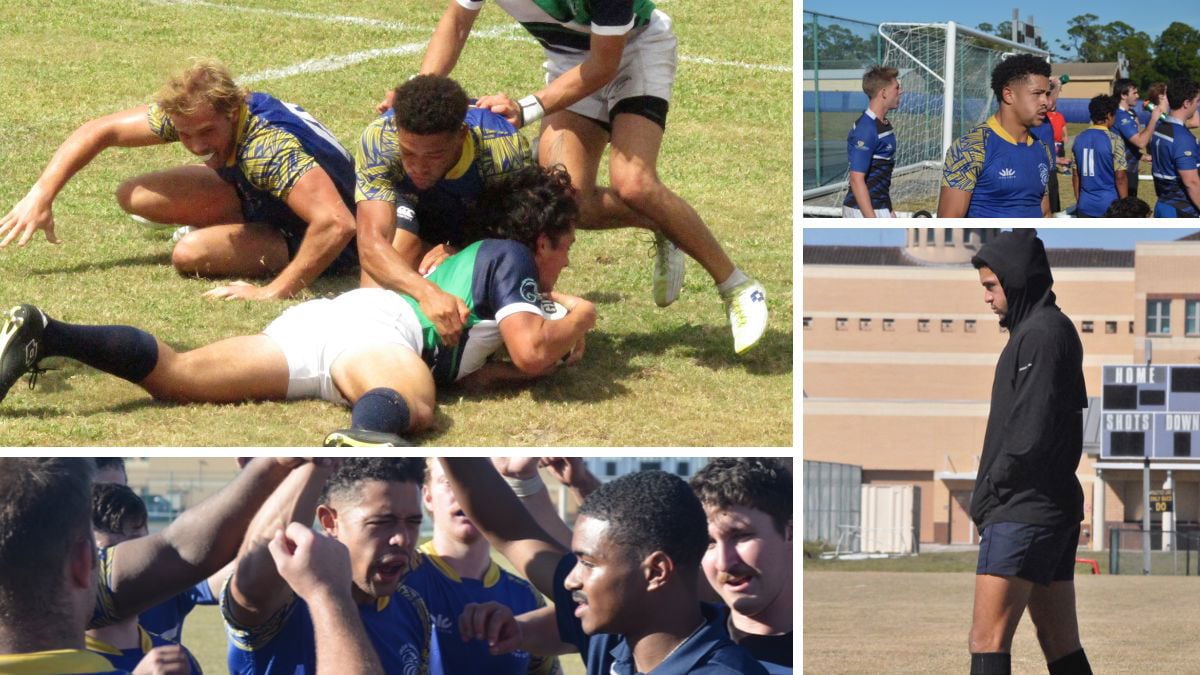
I remember when I used to walk out of practice and not remember a single thing that happened during the drills we ran.
Headphones on, bag slung over my shoulder, I gave the same smile I always did on the way out, the one that told everyone I was good, solid, and unbothered. But the second I turned my back, the smile slipped off like it had been taped on. The sun was setting over the field; it was warm out, but to me it was like winter. I kept thinking I should’ve done more, should’ve been better, I'm not ready for the game. All I felt was alone. That was the part no one knew. On the outside, I looked strong, the guy who didn’t break or complain. Inside, I was carrying more than I could.
The "Strong" One
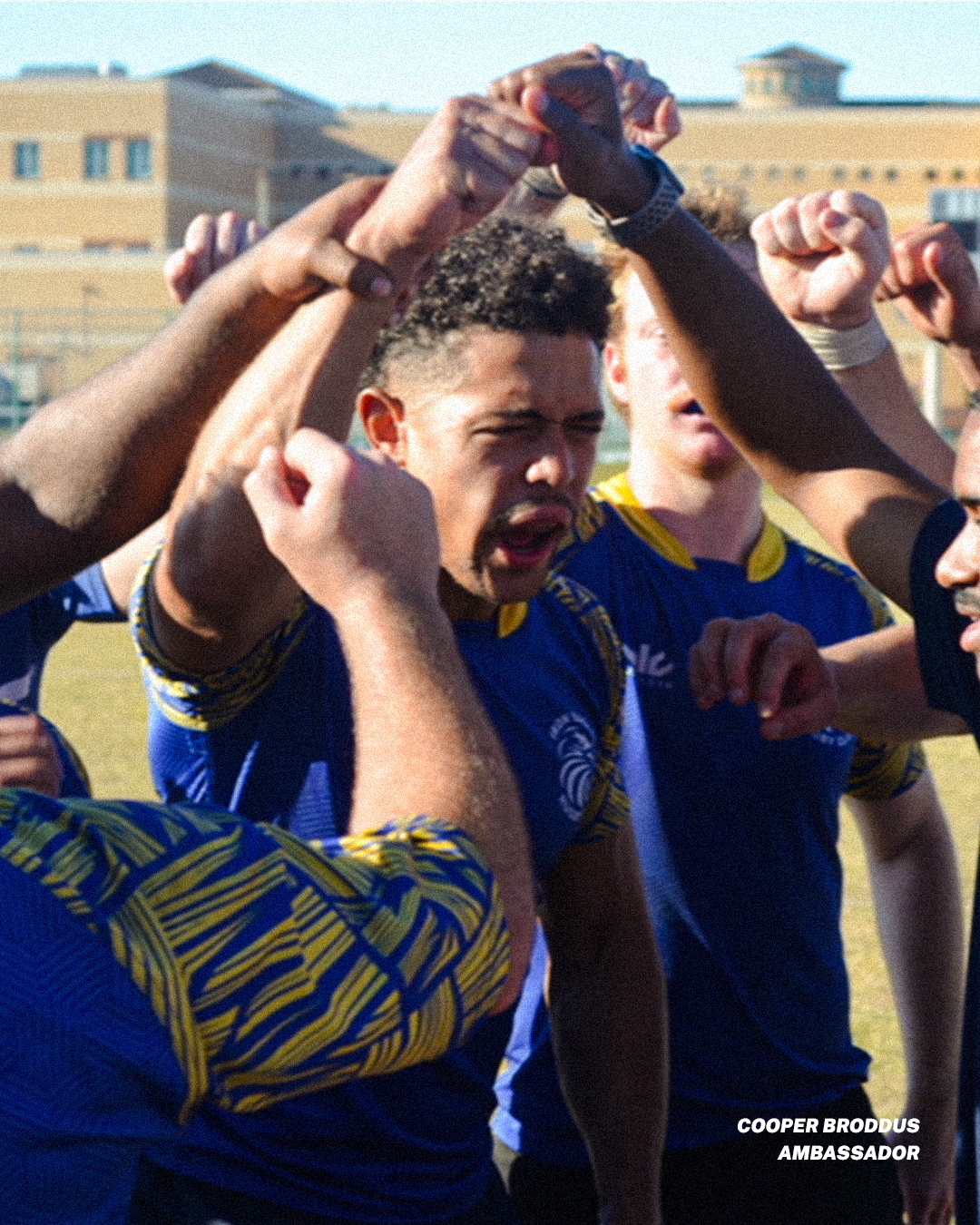
I didn’t become the strong one because of sports. It started long before that. In high school, I lost a few friends, and I knew a lot of people who had struggles. Grief hit our friend group in waves, and the struggles of teenage life continued like a cycle, and every time it did, people came to me. I seemed steady, someone they could talk to, I was the late‑night phone call, the one who held composure in the rough. I didn’t ask for that role, but I stepped into it. And once people see you as the “strong one”, it's hard not to be that for them.
I carried that identity into sports without even realizing it. I thought being mentally tough meant being silent. I thought being reliable meant never needing anything from anyone. I thought strength meant holding everything in until I could burn it out. But the truth is, I couldn't burn it out, and it burned me out.
Day by day, I just wanted someone to ask me, really ask me, if I was okay. Not the casual “You good?” in passing, but the kind that means, “I can tell something’s off. Talk to me.” I wanted someone to tell me that where I was at was enough.
But I didn’t want to burden anyone, I didn’t want to be the reason someone else felt heavy, so I bottled everything, I kept my mouth shut, and I convinced myself that silence was strength. That bearing your own burdens so others didn't have to was strength. It wasn’t.
The cost showed up everywhere. I couldn’t fall asleep, and when I did, it wasn’t restful. My energy tanked out. I became quieter, more isolated. People thought I was pushing them away, and in a way, I was. Not because I didn’t care, but because I didn’t know how to let anyone in. My motivation shifted from passion to pressure. I wasn’t playing to grow or have fun; I was playing to outrun the emotions I refused to face. I tried to destroy them instead of learning from them.
And then, after so long, the night came that everything changed.
The Power of Opening Up
We were at the beach, a group of us around a fire, laughing, talking, and doing the usual. But I went off on a walk, away from the group with one of my friends. We were near the water, the cold wind blowing. The moon was bright, shining on the waves like a flashlight in a dark room. Behind us, we could hear the laughter of the group, but out there, it felt like an abyss.
The conversation started small. Something about classes, something about practice. But then it shifted. One of us said something honest, I don’t even remember who said it first, and suddenly everything opened up. We talked about the things we’d been carrying; the losses, the pressure, the nights we couldn’t sleep. We talked about being the “strong one”, about how exhausting it was, about how no one ever checks on the person who checks on everyone else. And in that moment, even though the wind was cold, everything felt warm. We both smiled, not the practiced smile I wore leaving practice, but a real one, a relieved one, a peaceful one. For the first time in a long time, I didn’t feel alone, but I also didn't feel weak. I realized there were other “strong ones” out there, carrying the same weight, hiding the same cracks, pretending the same way I was. That night changed everything.
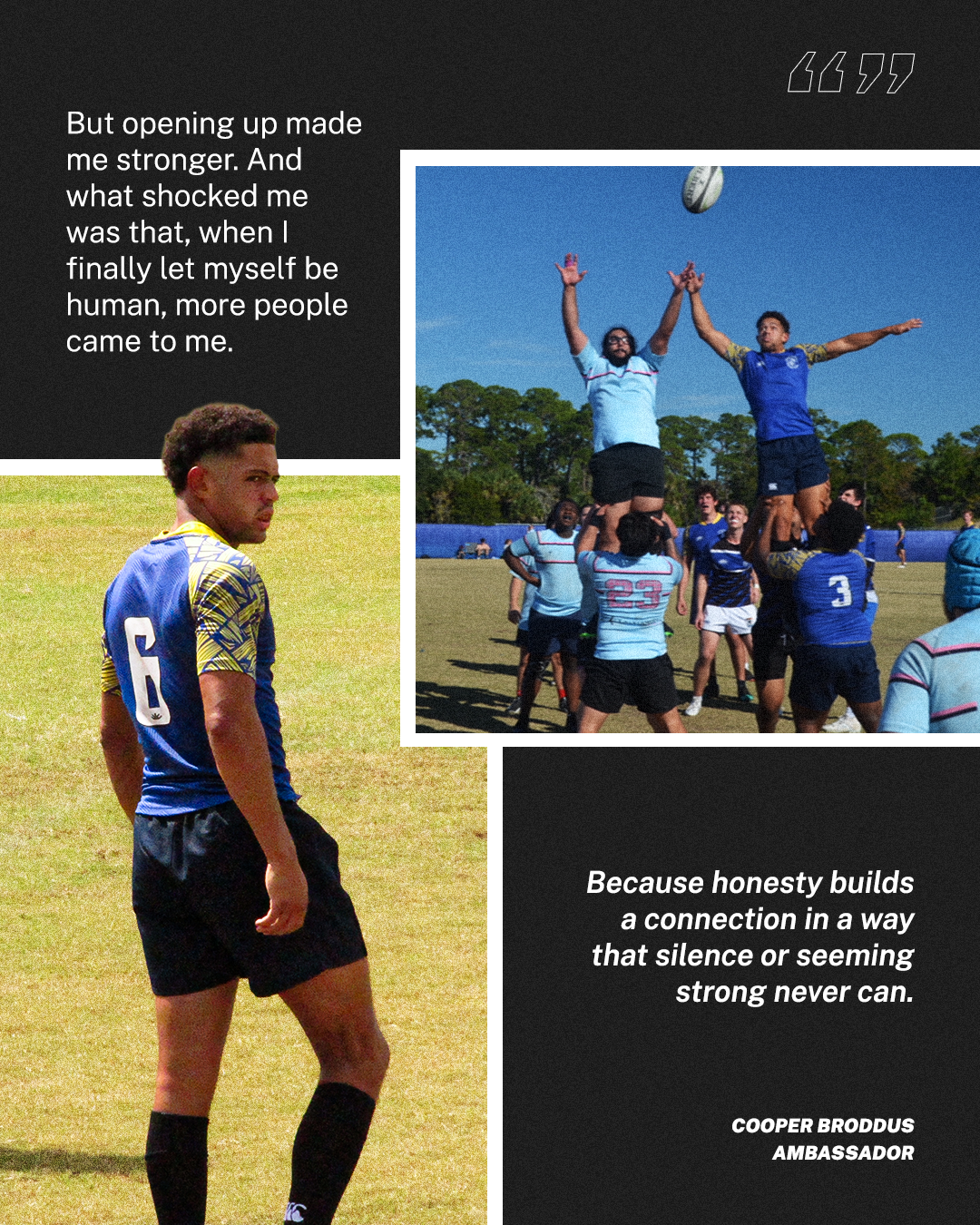
After that, we talked whenever we needed to. We became as close as brothers. The pressure I’d been carrying for years started to ease. I didn’t have to hold everything in anymore. I didn’t have to pretend I was invincible. I didn’t have to be silent. I found that strength wasn’t hiding the pain; it was growing from it. The hardship I’d been through didn’t make me weak; it made me resilient. But opening up made me stronger. And what shocked me was that, when I finally let myself be human, more people came to me. Because honesty builds a connection in a way that silence or seeming strong never can.
That moment changed how I view strength and resilience, because they aren’t about being unbreakable; it’s about being honest, accountable, and facing challenges. It’s about refusing to quit on yourself, even when you’re at your limit. It’s about humility, not invincibility.
Strength isn’t silence. An ego isn't a good thing. Mental toughness isn’t pretending you’re fine.
Real strength is honesty combined with pressing on. It’s knowing when you’re breaking and having the courage to say it out loud. It’s letting people in so you can keep going, not alone, but together. As an athlete, you’re allowed to be human, and you're also never alone. It's important to remember sometimes, the strongest thing you can do is let someone stand beside you in the dark.