
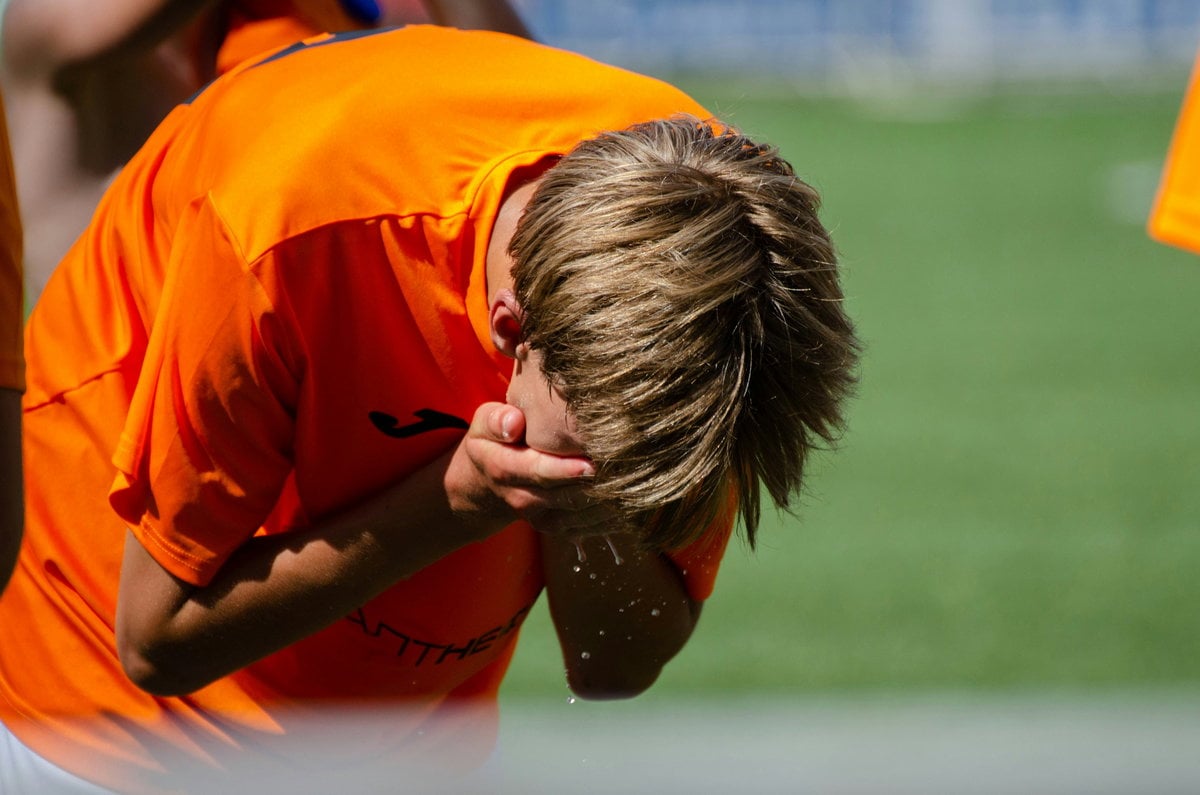
Key Takeaway: Seven in ten children quit organized sports by age 13 — and most of them don't leave because they stopped loving the game. They leave because the pressure became too heavy to carry alone. The key insight is that what looks like an athlete quitting a sport is often an athlete losing their sense of identity, and the silence you notice at home is usually the first sign.
The good news is that parents don't need a psychology degree to help — they just need to show up differently in the small moments that matter most: what you say in the car ride home, whether you go first in sharing your own struggles, whether your presence extends beyond the games to the ordinary Tuesdays when nothing happened. Love isn't soft — it's the most high-performance thing a parent can bring to the sideline. The ISNation app is built to support families through exactly these moments, with the tools and community to help your athlete feel seen, grounded, and willing to stay in the game.
Think about the last time your athlete came home from practice quiet. Not tired-quiet. Something's wrong quiet. You asked how it went. They said "fine." You let it go. They went to their room.
That moment — that silence — is happening in homes everywhere. And in too many of them, it ends with a teenager walking away from a sport they once loved.
The numbers are hard to ignore. According to the latest studies, a staggering 70% of children quit organized sports by the age of 13. But the dropout doesn't stop there. Research from Children's Hospital Los Angeles found that while nearly 90% of kids participate in organized sports in seventh and eighth grade, only 39% of high school seniors are still playing.
And here's what the data doesn't show you: most of them don't leave because they stopped loving the game. According to Dr. Brian Edison, who led the study, the main reason kids quit is because it has gotten "too serious." The pressure to perform replaced the joy of playing.
They're not quitting sports. They're escaping the weight of carrying the pressure and stress all alone.
But how can you support your athlete through the pressure? It starts at home. It starts with you. And it starts with love.
But how can you support your athlete through the pressure? It starts at home. It starts with you. And it starts with love — and that's exactly what the ISNation app was built for.
What's Really Going On
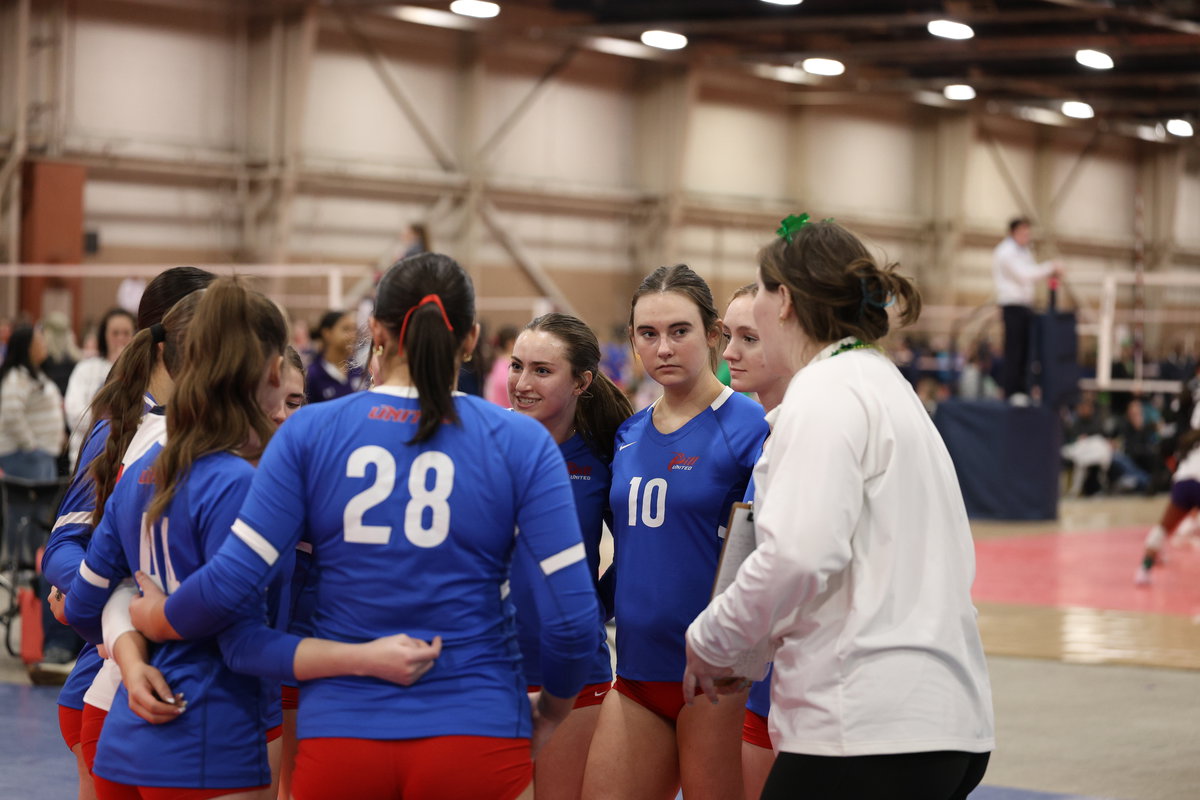
When a teenager says "I'm just tired" or "it's not fun anymore," it's easy to take those words at face value. But those aren't reasons. They're the door closing on something they don't yet have the language to explain.
If we want to understand why athletes are leaving, we have to be willing to look past the surface.
The joy got replaced by pressure. And somewhere along the way, they started carrying it alone.
Here's what nobody talks about enough: when athletes struggle, most of them stay silent. Research shows that only 10% of college athletes experiencing mental health problems actually seek help. Fear of judgment. Not knowing where to turn. A sports culture that still treats vulnerability as weakness.
The athlete isn't quitting because they're weak. They're quitting because they've been carrying something heavy with nowhere to put it down.
And underneath all of it is something even harder to name. When an athlete's entire sense of self is built around their sport — their performance, their position, their coach's approval — a bad season doesn't just feel like a setback. It feels like an identity collapse. No one taught them they are more than their sport. So when the sport stops feeling good, it doesn't feel like they're walking away from a game.
It feels like they're losing themselves.
That's the real exit. Not through the locker room door. Through the quiet unraveling of who they thought they were.
What You Can Do
You don't need a psychology degree. You don't need a perfect plan. You just need to start showing up differently — in the small moments your athlete is actually paying attention to.
Change what you say in the car.
The drive home after a game might be the most important ten minutes of your week. When your athlete climbs in quietly after a tough loss, resist the urge to fill the silence. Most of the questions we reach for are about performance — How'd you do? Did you win? How many points? Even asked lovingly, they teach athletes that what matters most is the outcome.
Try this instead:
"That looked like a hard one. How are you feeling?"
Then stop talking. Let them lead.
And when you do speak — skip the evaluation entirely. Not "you were amazing," not "you need to work on your..."
Just:
"I love watching you play."
Say it after wins. Say it after losses. Say it on a Tuesday when nothing happened. Let it become the background noise of their life — not a reward they have to earn.
Go first. Sho them it's ok to talk about hard days.
When adults model openness about emotions and mental health, young athletes are significantly more likely to seek support when they need it. So don't wait for your athlete to open up. Try:
"I had a really hard day today — felt like nothing I did was good enough. Sometimes it makes me feel better just to say it out loud."
Share when you're stressed. Name when something was hard. Let them see that feelings aren't weakness — they're just part of being human. When you do that, you're building the exact relationship where your athlete comes to you before they decide to quit.
Show up to the ordinary moments.
Not just the games. The Tuesday practice no one else attends. The morning before the big match. The evening they don't feel like talking. Presence is the message — it tells your athlete they matter beyond what they perform.
Safety isn't built in one conversation. It's built over hundreds of small moments where they test whether you're safe — and you are.
Start With Love in Hard Moments
Your athlete is more than their sport. They always have been. The question is whether they know that you know it.
Start with love. Not as a one-time conversation, but as a daily standard — the way you greet them after a loss, the questions you ask on the way home, the moments you show up for that have nothing to do with the game.
Love is not soft. It is the hardest, most courageous, most high-performance thing a parent can bring to the sideline. And it might just be the thing that keeps your athlete in the game — not because they have to be, but because they want to be.
Because they feel seen. Because they belong. Because someone showed them that who they are matters more than what they score.
That's how we change sports. One athlete, one family, one conversation at a time.
ISNation exists for this moment — the one between the athlete and the person who loves them most. If you're ready to build the kind of connection that keeps your athlete grounded, growing, and in the game, join the community on the free ISNation app.