
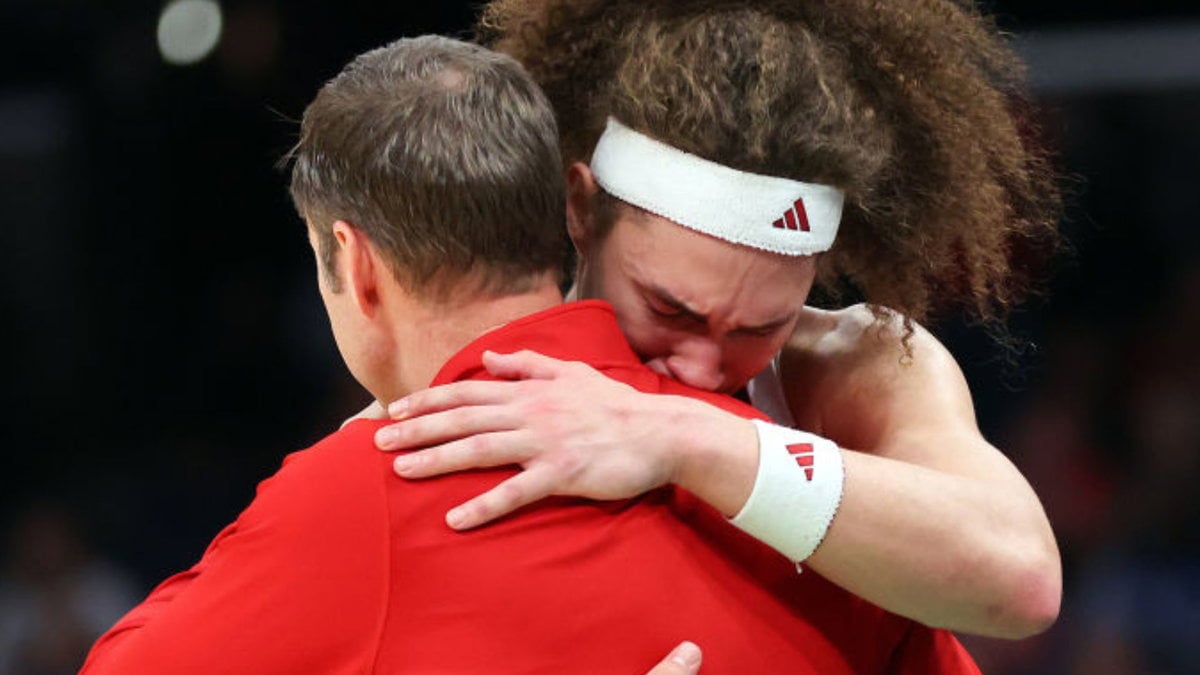
Key takeway: Most kids quit sports by 13, often due to burnout — but parents rarely see it coming because burnout looks like gradual withdrawal, not a dramatic breakdown. It's defined by exhaustion, loss of accomplishment, and growing resentment toward a once-loved sport. The fix isn't a new training plan — it's connection.
Ask how your kid feels, not how they performed, resist the urge to immediately problem-solve, and get professional help if they're withdrawing from life broadly. Your athlete needs to feel seen as a person first.
Picture this: the kid who used to sleep in their jersey, who counted down the days until the next game, now drags their feet to the car on practice nights. They say they're fine. You tell yourself it's just a phase. But something feels different — and you can't quite name it.
That feeling you're having? Don't ignore it.
Research from the Changing the Game Project found that 70% of kids quit sports by age 13 — and burnout is one of the leading reasons why. But here's the part that doesn't get talked about enough: most parents don't see it coming. Not because they aren't paying attention — but because burnout in young athletes rarely looks the way we expect it to.
It doesn't always look like a breakdown. It doesn't always sound like "I want to quit." According to Dr. Miriam Rowan, attending psychologist in the Sports Medicine Division at Boston Children's Hospital, "an athlete who is burned out loses interest in an activity that used to bring them joy" — and that loss of joy can quietly show up in a hundred small ways before a parent ever connects the dots.
This article isn't about blame. It's about giving your care somewhere useful to go — because awareness is where everything starts.
The sooner you can spot what's really going on, the sooner you can show up for your athlete in the way they actually need. Not as a coach. Not as a scorekeeper. As their parent. And there's nobody better for that job than you.
What Burnout Actually Is (And Isn't)
Before you can spot burnout, you need to know what you're actually looking for — because most parents are working off the wrong definition.
Burnout is not a bad week. It's not the post-tournament slump or the mid-season grumble about early morning practices. Every athlete hits those walls, and rest usually fixes them. Burnout is something deeper and longer-lasting than that.
Researchers define athlete burnout as made up of three connected experiences: physical and emotional exhaustion, a reduced sense of accomplishment, and what's called "sport devaluation" — a loss of interest in, or even resentment toward, a sport the athlete once loved. That last piece is the one that tends to blindside parents. It's not just tiredness. It's disconnection.
It's worth saying clearly: burnout is not a character flaw. It doesn't mean your child is soft, or that they were never truly committed to their sport. What it usually means is that something has been quietly building for a while — and by the time they say "I want to quit," those words are rarely the beginning of the story. The signs came earlier. They just didn't look the way we expected.
What To Do First
If you've read this far and something resonated — a sign you recognized, a behavior that suddenly makes more sense — take a breath. You don't need to fix everything today. The most important thing you can do right now isn't a plan. It's a conversation.
Not a performance review. Not a strategy session about the season ahead. Just a conversation where your child feels genuinely heard.
What they're often missing isn't better coaching or a new training program — it's the feeling that the adults in their life see them as a person, not just an athlete.
That's where you come in. Here are three things you can do.
1. Start by asking different questions
Most post-game and post-practice conversations default to performance: how'd it go, did you play well, what happened out there? The best place to start from is love and care about their overall wellbeing rather than performance.
Instead of defaulting to performance questions, try these tonight:
"What felt good today — even one small thing?"
"Is there anything you've been carrying lately that you haven't said out loud?"
"What do you actually need from me right now?"
You might not get an answer right away. That's okay. The question itself signals safety and builds the much needed connection they need in the moment .
2. Resist the urge to fix it immediately
This is the hardest part for parents who love their kids and want to help. But burnout isn't a problem that gets solved in one conversation or one weekend off.
Research shows that what young athletes need most from parents is praise and understanding — a balance of support without pressure. Being seen comes before being helped. Connection is the foundation everything else is built on.
3. Know when to bring in support
If your child has pulled back from friends, school, and activities beyond sport — or if they're showing signs of depression, persistent physical complaints, or emotional numbness — it may be time to loop in a pediatrician, school counselor, or sports psychologist. Getting professional support early matters.
Your child doesn't need you to have all the answers. They need to know they're not alone in carrying this.
That's not a small thing. For a lot of kids, it's everything.
You Don't Have to Figure This Out Alone — And Neither Do They
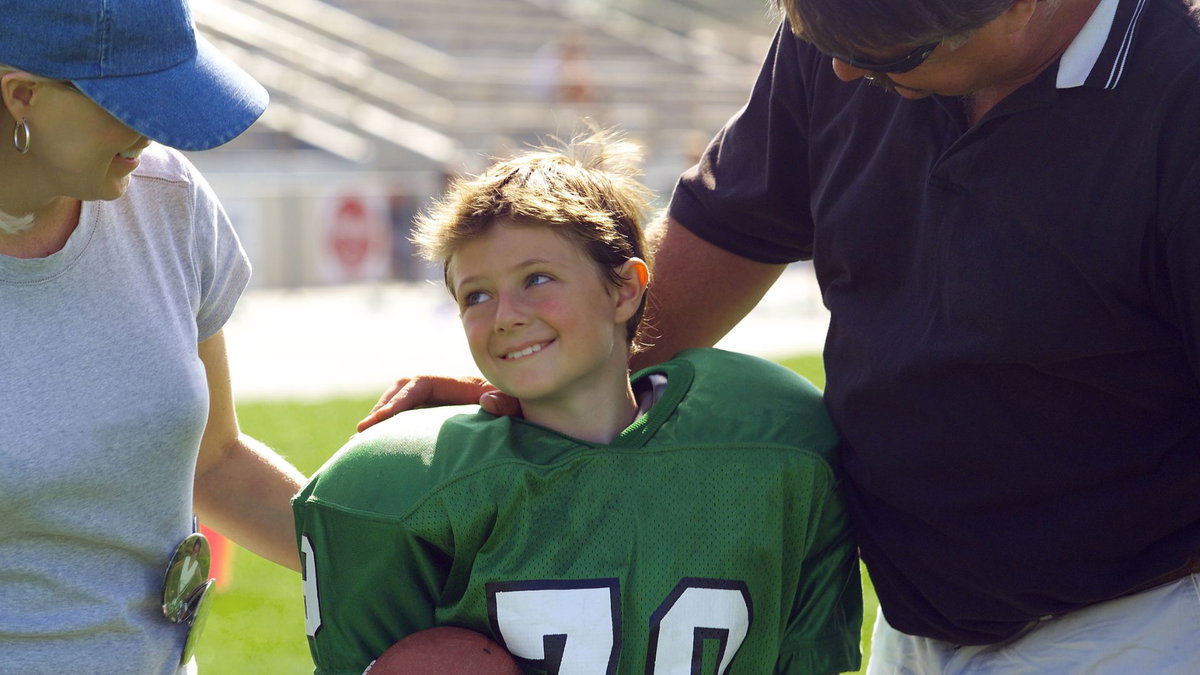
Parenting an athlete is one of the most rewarding and quietly exhausting things a person can do. You show up to every game. You manage the schedules, the gear, the early mornings, and the late drives home. You celebrate the wins and sit with them through the losses. You are doing so much.
And still — sometimes the hardest part isn't the logistics. It's not knowing what's going on inside your kid.
Burnout doesn't announce itself. It builds slowly, in the silence between practices, in the eyes of a kid who's still showing up but slowly disappearing — and many of them struggle to even connect the anxiety they feel to the athletic pressure. They don't have the language for it yet. They need the adults around them to help create the space where that language and connection can form.
That's what this is really about. Not quitting sports. Not overhauling the schedule. Not a diagnosis or a crisis intervention. It's about building the kind of daily connection with your athlete where they feel seen — consistently, not just when something goes wrong.
That shift starts at home. And it starts with you.
At ISNation, we built our entire platform around this truth: connection is what keeps athletes healthy, motivated, and whole. The daily habit of showing up for each other — athletes, parents, and coaches together — in a community where no one has to struggle alone.
If you're a parent who recognized something in this article — in your kid, or even in yourself — we want you to know that you're in the right place. There are tools here, real conversations happening, and a community of people navigating exactly what you're navigating.
Start with us. Start with love.