

Key Takeaway: Recruiting silence can feel personal, but it is not a complete measure of your ability or worth. You can protect your confidence by controlling communication habits, asking for grounded feedback, and keeping identity bigger than responses from coaches. Silence is information to manage, not a verdict on who you are.
When the silence feels loud...
You send the email, fill out the form, post the clip, attend the camp, or wait after a conversation that seemed promising. Then nothing. No reply. No follow-up. No clear yes or no. Just refreshing, checking, wondering, and trying not to care as much as you do.
Recruiting silence can mess with your head because it feels like feedback without words. You may start guessing what coaches think, what other athletes have that you do not, and whether you already missed your chance. That spiral is understandable. But silence is not a full evaluation of you. It is one piece of a messy process with timing, roster needs, budgets, communication habits, and decisions you cannot see.

Feedback from trusted people can help athletes stay grounded.
Do not let uncertainty write your identity
Recruiting can make you feel like you are constantly being sorted. Wanted or not wanted. Seen or invisible. Ahead or behind. When that becomes the lens, every delayed response can feel like proof that you are not enough.
The NCAA emphasizes mental health best practices and environments that support student-athlete wellbeing because sport systems affect people, not just performance. Recruiting is one of those systems. It can create pressure even before an athlete reaches college. If being watched and evaluated has already started to feel heavy, ISNation’s article on what helps when sports pressure hits can help you name that pressure without pretending it is nothing.
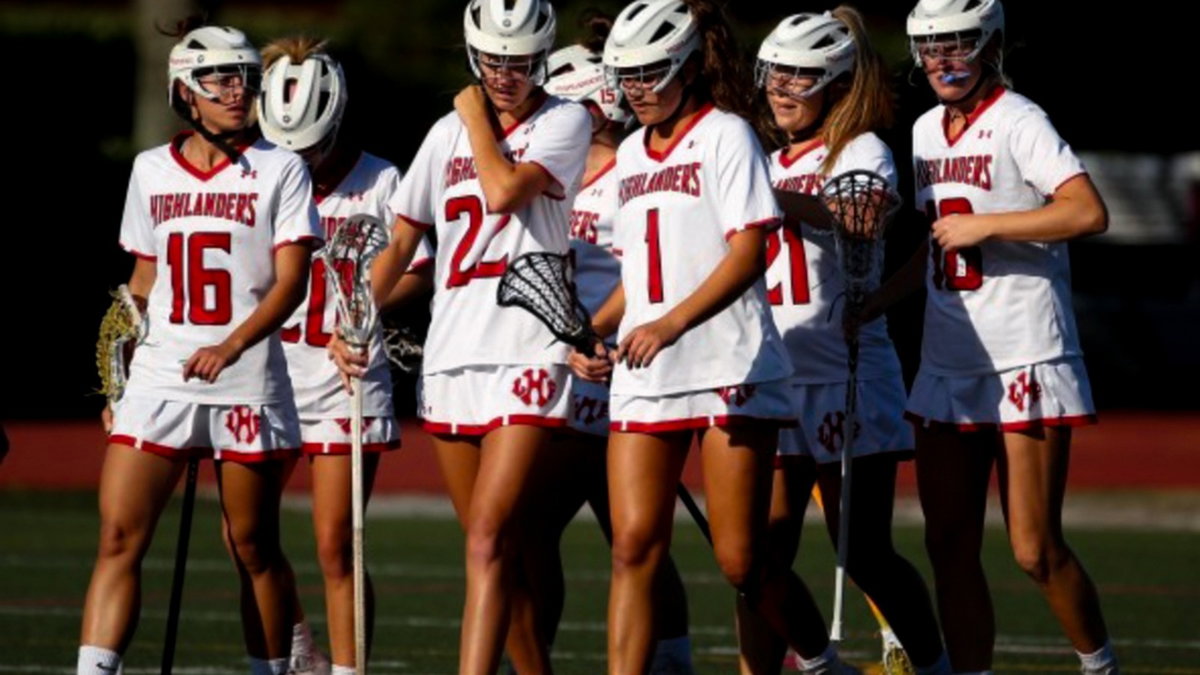
Your development is bigger than one response window.
Control the part that is actually yours
Make a simple communication plan
Track who you contacted, when you followed up, what you sent, and what the next reasonable step is
Ask a coach or trusted adult to review your message or video
Then give yourself windows to check instead of living inside your inbox
This is not about caring less. It is about not handing your whole day to an unanswered message. You can be committed and still have boundaries. You can pursue opportunities without making each response a vote on your worth. A grounded plan also helps you avoid panic behavior: sending too many follow-ups, comparing every post, or changing your entire self-image based on one quiet week.

Support matters when recruiting feels isolating.
Ask for feedback from people who know you
When recruiting feels unclear, get information from someone who can actually help. Ask your coach, “What level do you think fits me right now, and what would help me grow?” Ask, “What should my next three months focus on?” Specific feedback turns vague fear into work you can use.
The answer may be encouraging. It may be hard. Either way, it is better than inventing the whole story alone. Remember that development and recruiting are related, but they are not identical. You can be improving even when responses are slow. You can have value even when the process is quiet.
Keep a life outside the waiting
Recruiting can shrink your world if you let it. Suddenly every practice, grade, clip, tournament, and conversation feels like part of one giant audition. That is too much weight for a young athlete to carry all day.
Keep training. Keep communicating. Also keep eating dinner as a person, laughing with friends, resting, learning, and being more than a prospective roster spot. Silence may be part of the process. It does not get to become your identity. You are still building, still growing, and still worthy before anyone replies.
Try this this week
Make one recruiting boundary that protects your mind.
Maybe you only check email at two set times. Maybe you do not look at commitment posts right before practice. Maybe you ask a coach to help you choose the next five programs instead of sending messages from panic. Boundaries do not mean you care less. They mean you are leading the process instead of letting the process lead you.
It also helps to define progress in ways that are not only responses. Did you improve your video? Did you send a clear update? Did you ask better questions? Did you train with focus? Did you learn what level fits your current game? Those things matter even when the inbox is quiet.
If the silence starts changing how you eat, sleep, practice, or talk to yourself, tell someone. Recruiting can feel private, but carrying it alone makes every unanswered message heavier. You deserve support before the process becomes too much, not only after you are burned out.
Keep one list that has nothing to do with recruiting: what you like about your sport, what kind of teammate you want to be, what you are learning, and who you are becoming outside the process. Read it when the inbox starts feeling like a scoreboard. It can remind you that a coach’s timing is not the only truth in the room.
ISNation is built to support the mental side of sport in everyday moments: pressure, confidence, recovery, identity, and the conversations athletes and families do not always know how to start. Start with Love, start with us on the ISNation app.