

Key Takeaway: Online criticism can feel personal, permanent, and much bigger than the actual game. Your athlete needs calm presence before advice. The most helpful parent response is to regulate the moment, separate feedback from identity, and help them decide what deserves attention and what does not.
The comment section can hit harder than the scoreboard
The game ended two hours ago, but your athlete is still holding their phone. Maybe someone clipped a mistake. Maybe a teammate’s parent posted something careless. Maybe a stranger decided they had the right to judge a teenager from behind a screen. By the time you see your athlete’s face change, the damage may already feel done.
This is one of the hardest parts of modern sports parenting: the game does not stay at the field.
It follows athletes into the car, into bed, and into the next school day. Even a small comment can feel huge when it lands on an athlete who is already replaying every mistake.
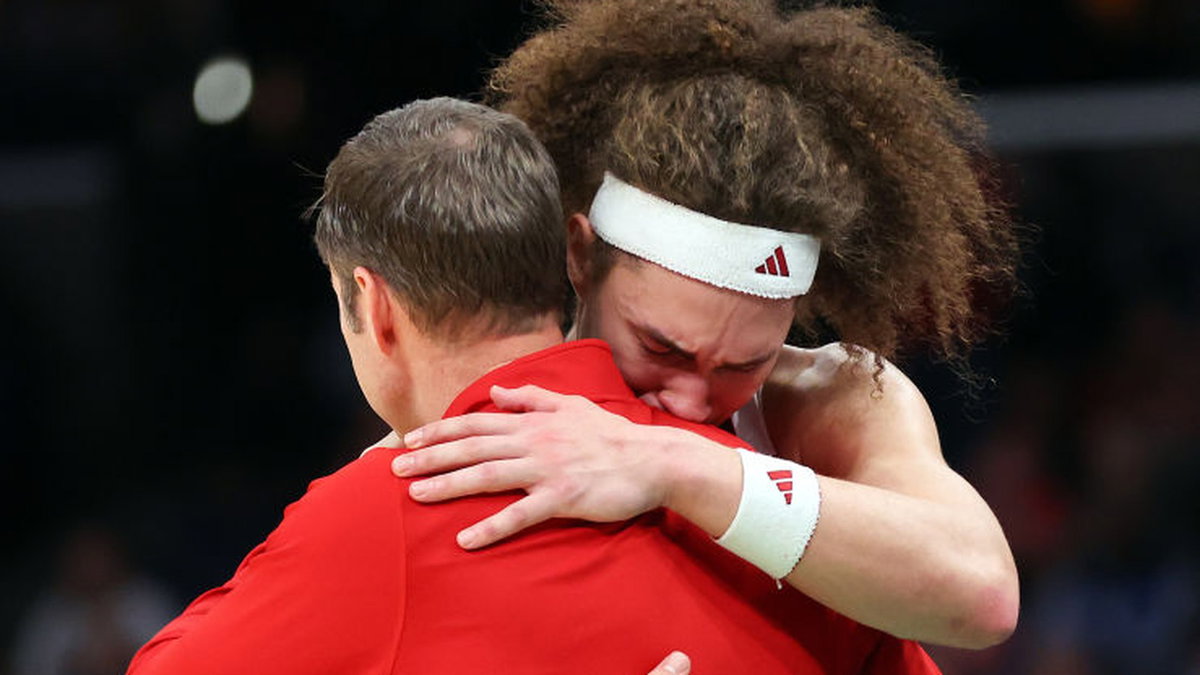
The sting of public criticism can feel heavier after a difficult performance.
Do not rush to minimize it
A common parent instinct is to tell your athlete to, “Ignore it,” or “They do not know what they are talking about.” Sometimes that is true. But if your athlete is already hurt, those words can sound like you are asking them to stop feeling something before they have had a chance to name it.
Try starting with, “That was a lot to read after a hard game,” or, “I can see why that bothered you.”
Validation does not mean agreeing with the criticism. It means showing your athlete they do not have to carry the embarrassment alone.
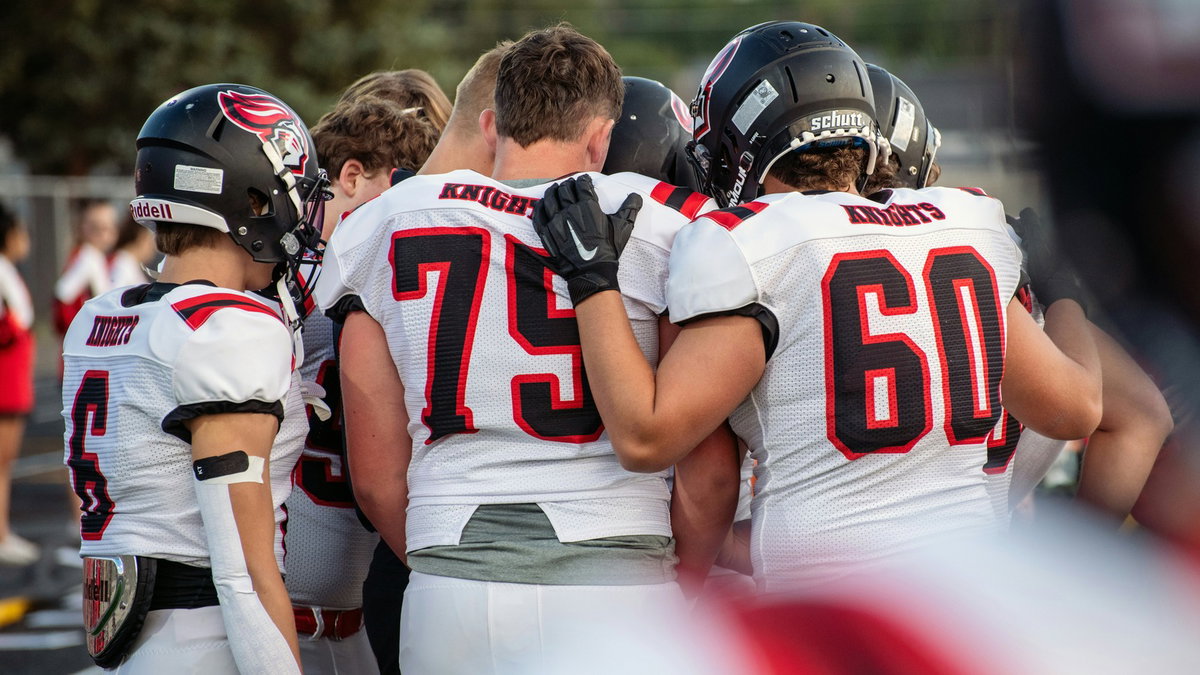
The right support system can help athletes separate noise from truth.
Help them separate information from noise
The American Psychological Association notes that adolescent social media experiences can affect mood, comparison, and stress, especially when young people are exposed to judgment or hostile feedback. After the initial emotion settles, help your athlete sort the comment into categories. Is there useful feedback from a trusted coach? Is it an opinion from someone who does not know the full picture? Is it cruelty dressed up as analysis?
This is where you can be steady. Not every comment deserves a response. Not every opinion deserves a place in your athlete’s head. If there is something to learn, let it come from the people invested in their growth, not from the loudest voice online.
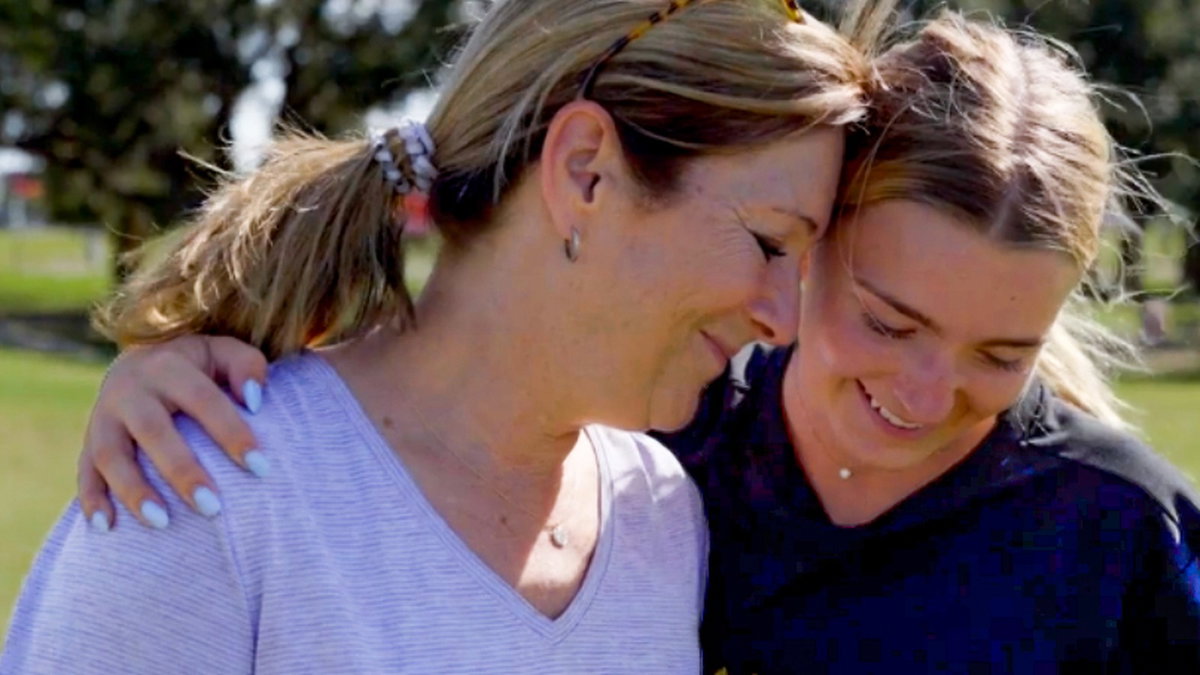
Connection helps athletes remember they are more than one comment.
Make a plan before the next post
If online criticism is becoming a pattern, talk when things are calm. Decide whether your athlete wants notifications off after games, whether comments should be hidden, or whether a parent should help monitor certain posts. This is not about controlling their social life. It is about creating enough space for them to recover before the internet starts grading them.
ISNation’s article on athletes and screen time goes deeper into how phones can become places of comparison and pressure. For some athletes, the healthiest move after a game is not a speech. It is dinner, a shower, and a night away from the feed.
End with identity
When your athlete is criticized online, they may not only be questioning the play. They may be questioning themselves. Say the thing clearly: “One game is not your whole story. One clip is not your character. One comment is not the truth about you.”
They still may hurt. That is okay. Your job is not to erase the sting instantly. Your job is to help them remember that their worth is not up for public voting.
Do not turn the hurt into a lecture
When an athlete is embarrassed, even good advice can feel sharp. If you immediately explain why the comment is wrong, tell them what they should have done, or launch into a lesson about mental toughness, they may shut down. Start smaller. Sit near them. Ask if they want to talk now or later. Let them have a little control in a moment where the internet made them feel exposed.
When they are ready, help them name the emotion more precisely. Are they angry, ashamed, scared a coach will see it, worried teammates agree, or frustrated because part of the criticism feels true? Different emotions need different support. Shame needs connection. Anger may need space. Fear may need a plan. Precision helps everyone slow down.
Teach digital boundaries as a skill
Online criticism is not going away, so the goal is not to pretend athletes can avoid every hard thing. The goal is to help them build boundaries before they are overwhelmed. That might mean waiting until the next morning to read comments, asking a teammate not to send screenshots, or deciding that performance review belongs with coaches, not strangers.
If your athlete wants to respond, encourage a pause. Most responses written from hurt create more noise. A saved draft, a walk, or a conversation with a trusted adult can keep one painful comment from becoming a bigger public moment. That kind of restraint is not weakness. It is self-protection, and young athletes deserve to learn it before the stakes feel even higher.
At ISNation, we believe mental fitness belongs in the everyday moments of sport: the car ride, the comeback, the quiet night after a hard game, and the brave decision to ask for support. Start with Love, start with us on the ISNation app.