

Key Takeaway: Mental toughness is not about pretending you never struggle. It is the discipline to keep choosing the next right action when your body is tired, your emotions are loud, and quitting would be easier. The strongest athletes build it through purpose, honest support, daily habits, and a willingness to let go of what keeps them stuck.
What Mental Toughness Really Is
Mental toughness gets thrown around like a buzzword, but every athlete knows it is not a motivational slogan or a trait you magically wake up with one day. It is earned in the moments no one sees.
Every athlete, at some point in their career, hits that moment where their body is begging them to stop. You’re drenched in sweat, your legs are shaking, your lungs are burning, you’re cramping, you’re nauseous, you’re bruised, you’re exhausted. And in that moment, you either quit or you keep going. That’s the real definition of mental toughness.
It’s not loud, glamorous, or something to post about. It’s the quiet decision you make when everything in you wants out, and you tell yourself not today. You take one more rep, one more sprint, one more step forward when quitting would be easier.
That’s where it’s built.
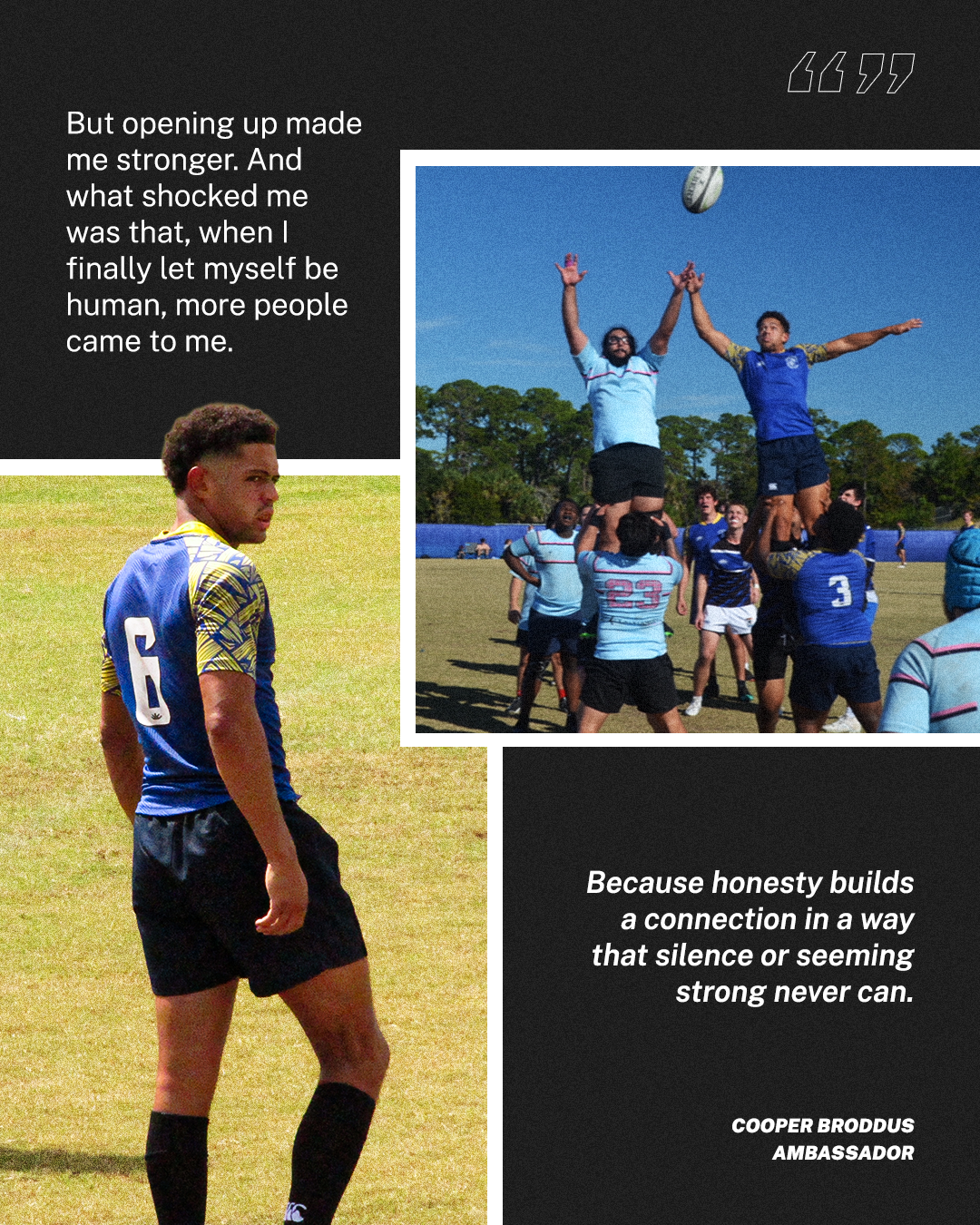
Strength grows when athletes tell the truth and keep doing the work.
The Question No One Teaches You to Answer
But the real question is how do you get there? You can build strength, endurance, and chemistry with teammates.
But how do you build the mind?
How do you reshape the way you think, and because of that, reshape who you are? Most athletes never get taught this part.
Coaches tell you to “be tough,” but they don’t tell you how. They tell you to “push through,” but they don’t explain what that actually looks like when you’re alone with your thoughts and your doubts. They tell you to “want it more,” but wanting isn’t enough when your body is screaming and your mind is slipping.
A review on psychological skills training for athletes published through the National Library of Medicine describes mental training as a field that includes stress management, coping, anxiety control, motivation, self-confidence, mindfulness, and emotional skills.
In other words, the mental side is not imaginary. The research shows is trainable.
Finding Your Why and Building Your Circle
Building mental toughness is hard, but it’s not impossible. It’s a challenge on every level physical, emotional, and psychological. It demands discipline, consistency, and a support system that actually pushes you forward instead of holding you back. But even before all of that, before the training, before the grind, before the discipline, you need to find your why. Your why is the reason you’re willing to suffer, to push yourself past your limits, to become the best version of yourself. When you build mental toughness, you’re not just building grit, you’re building character. And when you’re beaten down, when you’re on the edge of quitting, your why is the thing you’ll reach for to pull yourself back up. Without it, you’ll fold. With it, you’ll rise.
Build a Circle That Does Not Let You Settle
Once you have your why, the next step is your circle. The people around you matter more than you think. Your friends determine where you end up. If you surround yourself with people who quit when things get hard, you’ll start quitting too. If you surround yourself with people who complain, you’ll start complaining. But if you surround yourself with people who push, who grind, who refuse to settle, you’ll rise to their level.
Mental toughness isn’t built alone. You need people who hold you accountable, who challenge you, who don’t let you take the easy way out. A strong circle doesn’t let you stay weak.
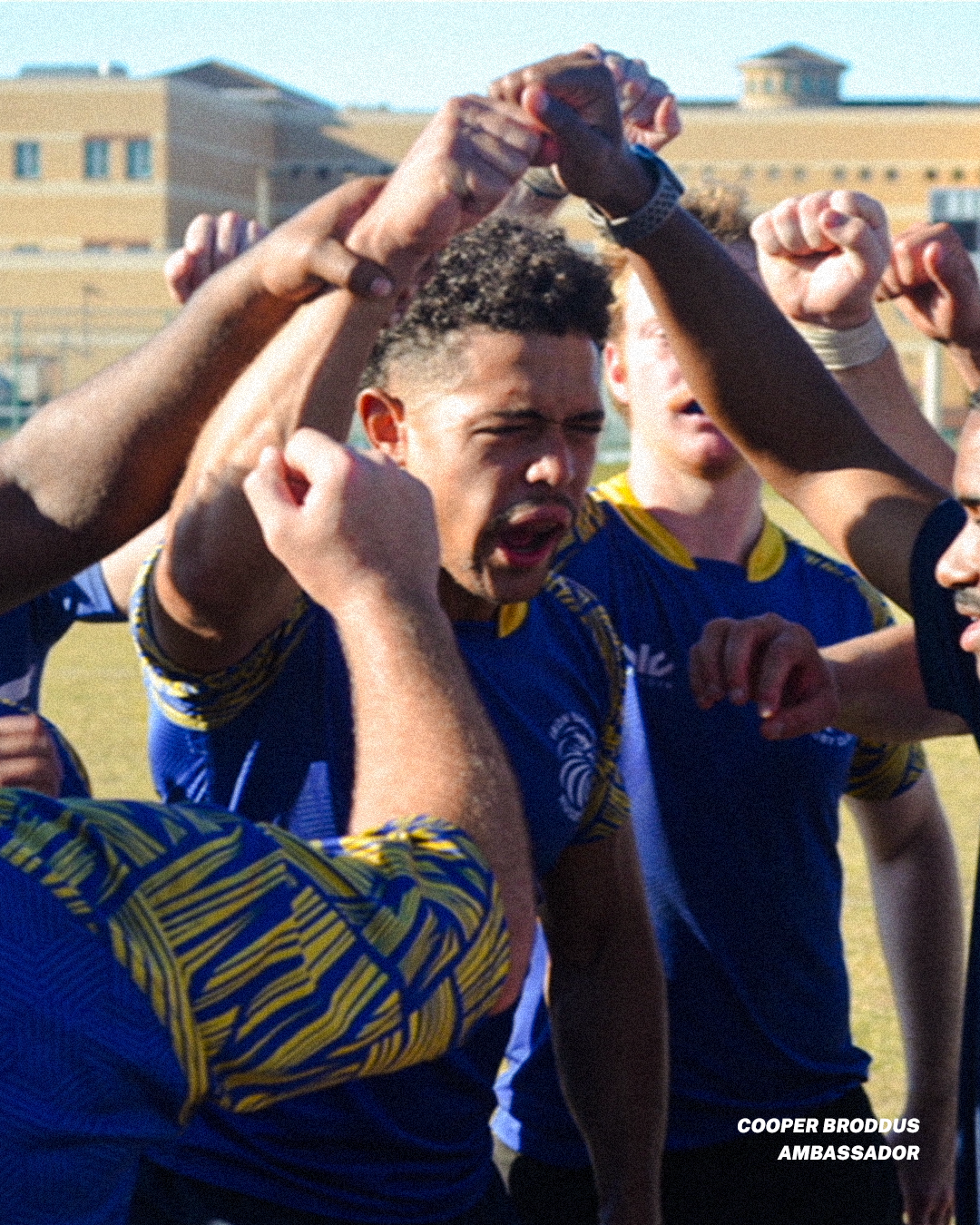
The right circle helps athletes stay accountable when motivation fades.
Stop Waiting for Motivation
Then comes the real work. Mental toughness isn’t built in a day or a week or a month. It’s built over a lifetime. It’s waking up every day and giving everything you have, no matter what the challenge is. It’s choosing effort over excuses, consistency over comfort, commitment over convenience. It’s doing the work when you don’t feel like it, s showing up when you’re tired, pushing through when you’re frustrated, and refusing to let your emotions dictate your effort. Mental toughness is a lifestyle, not a moment.
The most important thing to understand is that mental toughness has nothing to do with motivation. Motivation fades, it disappears the moment things get uncomfortable. Athletes who rely on motivation quit. They show up when it’s easy, when it’s fun, when they feel good. But the moment adversity hits, they fold. The athletes who rely on discipline and obsession are the ones who push through everything. Discipline doesn’t care how you feel. Obsession doesn’t care if you’re tired.
If your inner voice turns every hard day into an attack, build a better one. ISNation’s guide to positive self-talk examples and activities for athletes can help you practice language that supports effort without lying to yourself.
Make the Right-Now Decision
When you are building this mentality, you do not get to live forever in “tomorrow.” Mental toughness is a right-now decision. It is the moment you tell yourself that you are done living below your standard and you start acting like the athlete you say you want to become.
That decision does not have to be dramatic. It can be choosing sleep instead of scrolling. It can be finishing the drill with focus. It can be asking a coach what to improve. It can be staying after practice for ten honest minutes. It can be telling the truth about what is distracting you, draining you, or keeping you comfortable.
This is the part most athletes don’t want to hear: building mental toughness means letting go of the things that make you weak. The habits, the distractions, the people, the excuses. You can’t build a strong mind while holding onto things that break it. You can’t become disciplined while living undisciplined. You can’t become resilient while avoiding discomfort. You can’t become mentally tough while protecting your comfort zone. Mental toughness requires sacrifice. It requires honesty. It requires looking at your life and asking yourself what needs to go so you can grow.

Mental toughness does not mean doing everything alone.
The only barrier between your current self and the athlete you aspire to become is the quiet, right‑now decision to finally begin the work.
Keep Building With ISNation
If mental toughness is something you are trying to build, ISNation can help you train the habits behind it: self-talk, confidence, pressure, recovery, support, and the discipline to keep showing up as the whole athlete.
Download the ISNation app to keep practicing the mental side of sport with tools and support built for athletes, parents, and the everyday moments that shape confidence.