

Key Takeaway: Being the positive one can become heavy when teammates expect you to lift the room while hiding your own stress. Real leadership does not require pretending you are fine all the time. Athletes can stay encouraging while asking for support, setting emotional boundaries, and telling the truth to someone safe.
Everyone looks to you to lift the mood
You are the teammate who jokes when practice gets tense. You encourage people after mistakes. You say, “We’ve got this,” even when you are not sure. Coaches may love your energy. Teammates may count on it. You may even like being that person.
But sometimes the positive one gets tired. You have your own bad practices, pressure, doubts, family stress, injuries, and fears. The hard part is that people may not notice because you are good at making everyone else feel better. Being encouraging is a strength. Having to be encouraging all the time can become a weight.
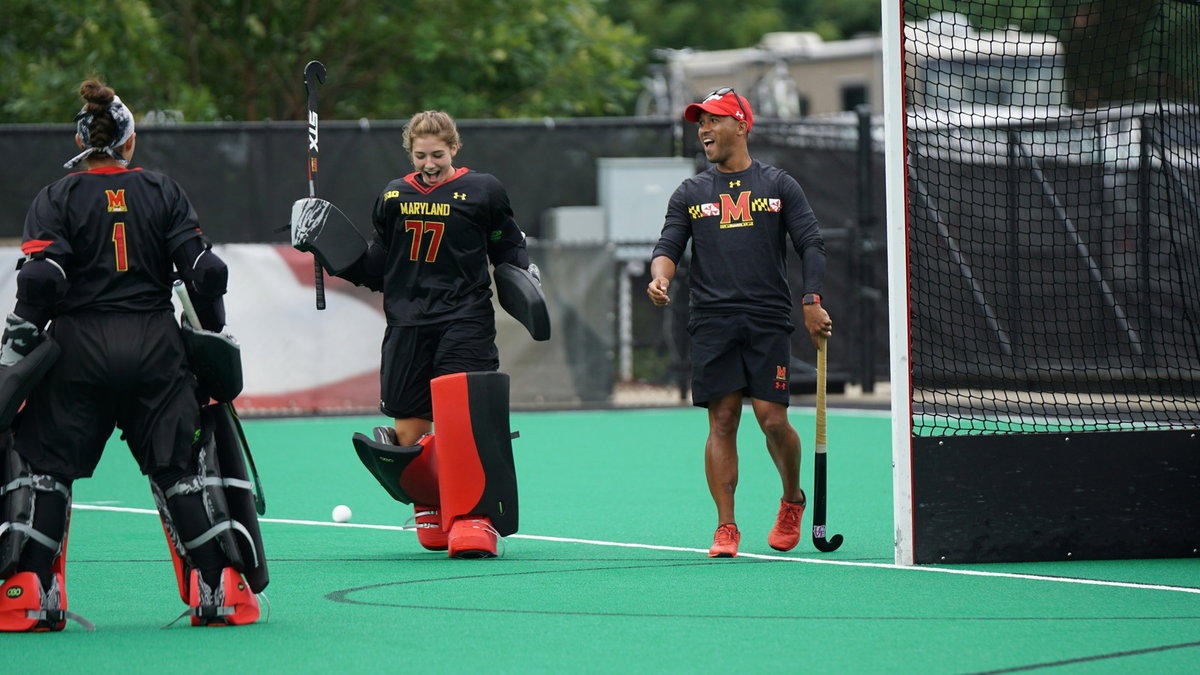
Team energy can be meaningful and emotionally demanding.
Being Positive Doesn't Mean Hiding Your True Feelings
Some athletes start believing their role is to keep the room comfortable. If they admit they are struggling, they worry the team will lose energy or people will think they changed. So they keep performing positivity while their real feelings pile up.
That is not mental fitness. That is emotional hiding. A sports and performance psychologist at Johns Hopkins notes that student-athletes can face pressure, anxiety, and mental health challenges, and those challenges do not skip the upbeat athletes. Sometimes the loudest encourager is also carrying the quietest stress. You can be a good teammate without being a permanent mood fixer.

Even positive teammates need quiet support sometimes.
Choose one person who gets the real version
You do not need to tell the whole team everything. You do need somewhere to be honest. Pick one safe person: a teammate, coach, parent, trainer, counselor, or mentor. Practice saying, “I am trying to stay positive, but I am having a hard time too.”
That sentence may feel awkward at first because it breaks the role people are used to seeing. Say it anyway. The people who care about you should know there is more happening than your game-day energy. If you are used to handling pressure alone, ISNation’s article on sports pressure and what helps can give you language for what you may be carrying.

The athlete who lifts everyone else may still feel alone.
Set boundaries around emotional labor
Emotional labor is the work of managing the mood around you. Teams need encouragement, but one athlete should not have to hold the entire emotional climate. Notice where you are taking responsibility for things that are not yours: everyone’s confidence, every conflict, every awkward silence, every loss.
Try smaller, honest leadership. Instead of forcing hype, say, “Let’s reset this drill.” Instead of pretending, say, “I am frustrated too, but we can take the next rep.” That kind of honesty can be more powerful than constant cheer. You can also step back sometimes. Let someone else speak first. Let the room be quiet. You are allowed to conserve energy.
Try this this week
Notice one moment where maybe you smile before you are ready, make a joke to cover frustration, or encourage everyone else while ignoring your own disappointment. You do not have to judge it. Just notice it. Awareness gives you a choice.
Then try one honest sentence that still supports the team:
“I am frustrated too, but I am with you.”
“I need a second, then I am back.”
“Let’s reset this together.”
These phrases keep connection without forcing you to act like nothing is hard. They also give teammates permission to be real instead of pretending their way through pressure.
If your role on the team has become too heavy, talk to a coach or trusted teammate. You can say, “I like bringing energy, but sometimes I feel like I cannot have a bad day.” A healthy team should want to know that. Your energy is a gift, not an obligation to disappear.
You can also invite shared leadership in small ways. Ask another teammate to lead the warm-up talk. Let someone else start the huddle. Thank people when they bring energy, so the team learns that positivity is not one person’s job. The more the room shares emotional responsibility, the freer you are to be a real person inside it.
That is how real team culture grows: not from one athlete carrying every feeling, but from everyone learning how to support, reset, and tell the truth together.
Keep Building With ISNation
If you are the teammate everyone expects to stay upbeat, ISNation can help you build support that does not require hiding your own stress.
Download the ISNation app to keep practicing the mental side of sport with tools and support built for athletes, parents, and the everyday moments that shape confidence.