

Key Takeaway: Burnout in sports does not mean you are lazy, weak, or done with your sport. It often means you have been carrying too much pressure for too long without enough recovery, honesty, or support. If the sport you love is starting to feel heavy all the time, the next step is not shame. It is noticing what is happening and asking for help before you fully shut down.
You show up.
You lace up, warm up, listen to the plan, and do what the schedule asks. From the outside, it might look like you are fine. Maybe you're still practicing hard. Maybe you're still competing. Maybe nobody would guess how flat everything has started to feel inside.
But you can feel the difference.
The joy is harder to find. Good days do not feel as good as they used to. Bad days stay with you longer.
Rest does not always feel restful, because even when your body stops moving, your mind is still replaying everything you should be doing, fixing, proving, or catching up on.
That is often where burnout in sports begins. Not with one dramatic decision to quit, but with a slow disconnection from the sport you still care about.
Burnout can hide inside discipline
One reason burnout is so hard to admit is that athletes are often praised for pushing through. You learn to be tough. You learn that soreness, pressure, and sacrifice are part of the deal.
Those things can help you grow. But they can also make it harder to tell the difference between normal fatigue and something deeper.
In an Association for Applied Sport Psychology article, mental performance consultant Maile Sapp explains that athlete burnout is marked by emotional and physical exhaustion, a reduced sense of accomplishment, and sport devaluation.
Burnout is not just being tired after a hard week. It is when the sport starts losing meaning, pride, or connection for you.
The American Academy of Pediatrics makes a similar point. In their article on burnout in young athletes, Joel S. Brenner, MD, MPH, FAAP, and Drew Watson, MD, MS, FAAP explain that burnout can happen when kids no longer feel fun or accomplishment in playing and practicing. They also note that nonstop, year-round specialization can make that loss of enthusiasm more likely.
So if you still look disciplined but no longer feel alive inside the work, do not ignore that. It is information.

Burnout can hide inside discipline, especially when you have been praised for pushing through.
What burnout can feel like before you say it out loud
Burnout may not sound like, "I want to quit."
It might sound like, "I do not care," even though part of you still does. It might feel like dread before practice, relief when the game is finally over, or snapping at people you trust and then feeling guilty afterward.
It can also feel strangely quiet. You may still want to play well, but good performances do not land the same way. A win feels flat. A compliment feels temporary. One mistake feels like proof that you are falling behind again.
In a Cleveland Clinic article on mental health in athletes, sports psychologist Matthew Sacco, PhD explains that mental health struggles in sports are often ignored in the name of grit. That matters because if you have been taught to treat every hard feeling as something to push through, you may keep pretending you are fine long after your body and mind are asking for support.
Burnout can make honesty feel risky. You may stop asking, "What do I need?" and start asking, "How do I keep looking okay?" That is when the pressure can keep growing under the surface.
Why you might hide it for so long
If you are hiding burnout, it probably is not because you are trying to be dramatic. It may be because you still care.
You care about your spot. Your coach. Your teammates. Your family. Your future. You may worry that if you say, "I am not okay," someone will think you do not want it badly enough. You may worry that needing rest will make you look less committed than the athletes who seem to be doing extra all the time.
But needing support is not the opposite of caring. Sometimes it is proof that you care enough to tell the truth before the sport turns into something you resent.
Try noticing what has changed instead of judging yourself for the change. Are you recovering more slowly? Do you feel flat even after good performances? Are you irritated more often? Does sport feel like it takes everything out of you and gives very little back right now?
Those are not character flaws. They are signals.
This is where ISNation's article When Rest Feels Like Falling Behind can help put language to the guilt many athletes carry around slowing down. If rest feels threatening instead of restorative, burnout usually has more room to grow.
What helps before the shutdown gets bigger
The first helpful move is usually not a huge decision. You do not have to quit, switch teams, change your whole future, or explain everything perfectly tonight.
Start with one honest sentence to one safe person: "I still care about this, but it has felt heavy for a while."
That person could be a parent, coach, trainer, counselor, teammate, older sibling, or another adult you trust. You do not need a perfect diagnosis before you ask for support. You just need to stop carrying it alone.
It also helps to get specific about what feels expensive right now. Is it the schedule? The pressure to keep your spot? Constant comparison? An injury? The fear of making mistakes? The feeling that every practice is another chance to prove you belong?
Burnout gets harder to address when it stays vague. Naming the pressure gives you and the people around you more ways to respond.
Sometimes the next step is more recovery. Sometimes it is one less extra session. Sometimes it is better sleep, a conversation with your coach, a lighter week, less time around comparison, or support from a qualified mental health professional. Sometimes it is simply admitting that the current version of your sport life is not sustainable.
If pressure has gotten so loud that competing feels more like surviving than expressing yourself, If Sports Pressure Is Getting to You, This Is What Helps is another place to keep the conversation going. Burnout and pressure are not always the same thing, but they often travel together.
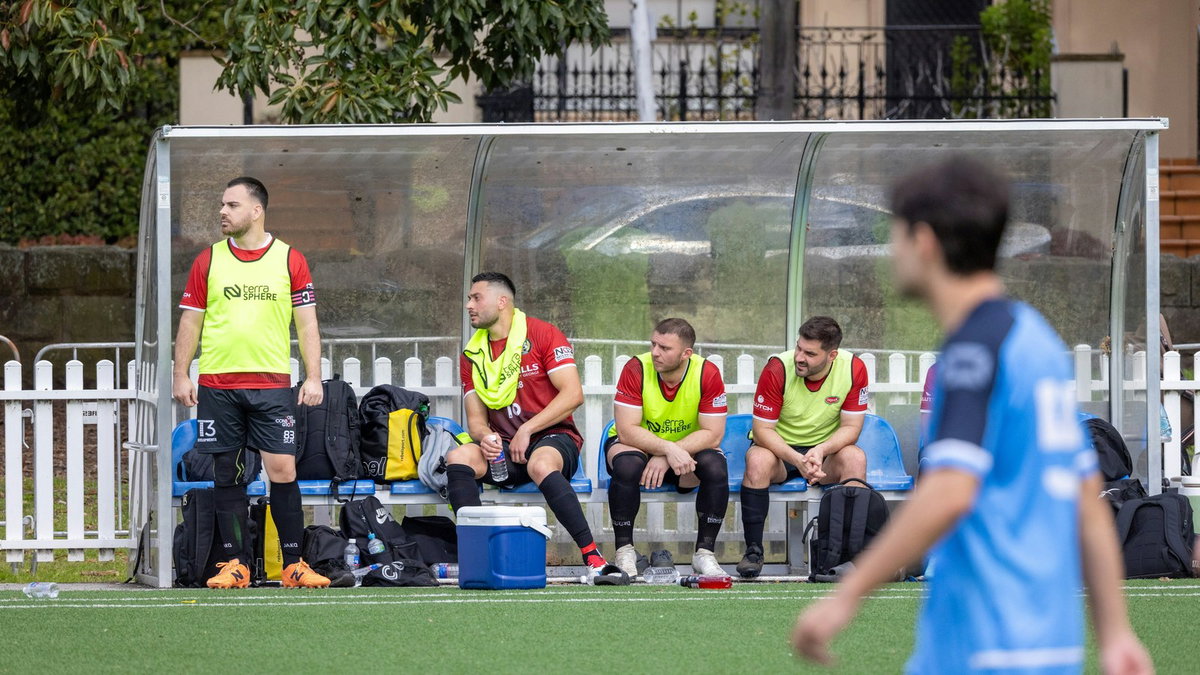
A quiet moment on the sideline can be a signal that you need support, not more pressure.
Burnout is not the end of the story
Burnout can make it feel like something important has gone missing. But the missing feeling is not always proof that your relationship with sport is over forever. Sometimes it is proof that the current version of sport has asked for too much, for too long, without enough recovery, honesty, flexibility, or emotional safety.
When you name burnout early, you usually have more options than you think. You can adjust the load. Rebuild recovery. Widen your identity. Ask for help. Reconnect with the part of sport that once felt alive.
None of that happens through shame. It happens when you stop treating yourself like a machine and start telling the truth about what you need behind the performance.
Continue the conversation with us
If burnout in sports is starting to feel familiar, you do not have to figure it out alone or wait until you fully shut down. ISNation gives athletes support for pressure, recovery, identity, and the mental fitness habits that help you stay connected to yourself inside the sport. Download ISNation and keep building a healthier way to carry the work, the rest, and the person behind both. You got this!
With Love,
The ISNation Team