

Key Takeaway: Youth burnout in sports is not always obvious at first. It can look like irritability, dread before practice, recurring fatigue, body complaints, or an athlete who keeps showing up but no longer seems like themselves. You do not need to panic or diagnose. You can simply notice the pattern, lower the pressure, and start a conversation.
Maybe your athlete used to pack their bag before you reminded them. They talked about practice on the ride home. They replayed the game before you made it out of the parking lot.
Now practice comes up and they get quiet. A tournament weekend that used to feel exciting now feels heavy. They are tired even after sleeping. They snap at small questions. They still go, still compete, still say they are fine, but something about the way they carry the sport has changed.
That doesn’t automatically mean your athlete needs to quit, and it doesn’t mean you did anything wrong. But it may be a sign that the load around the sport has become too much.
Burnout in youth sports can appear in small signs
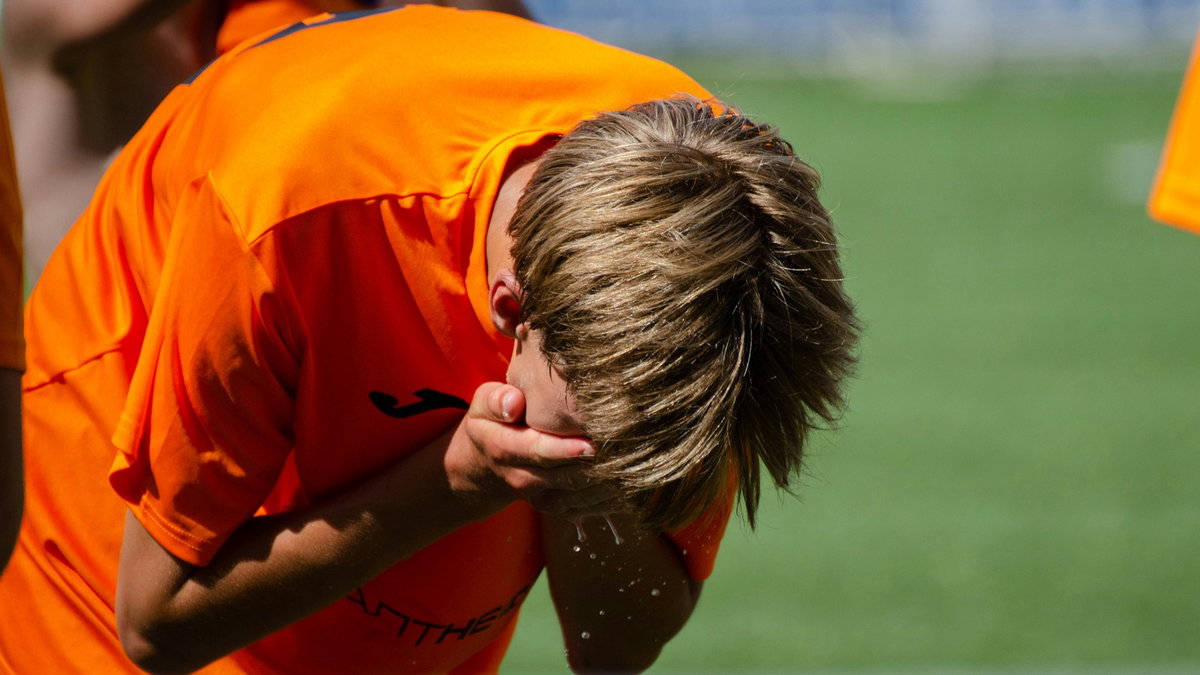
Burnout can start quietly, before an athlete has the words to explain what feels heavy.
When you picture burnout, you may picture a dramatic moment: an athlete refusing to go to practice, crying before a game, or announcing that they are done. Sometimes it looks like that. More often, it starts smaller: a short temper before practice, a flat mood after games, or a child who used to talk about the sport and now avoids the subject.
In an American Academy of Pediatrics clinical report, Dr. Joel S. Brenner and Dr. Andrew Watson describe athlete burnout as involving physical or mental exhaustion, a reduced sense of accomplishment, and devaluation of sport.
For you, the important part is this: burnout is not laziness or weakness. It is often a signal that the athlete's body, mind, schedule, and identity have been under pressure for too long without enough recovery or emotional room.
Signs your athlete may be carrying too much
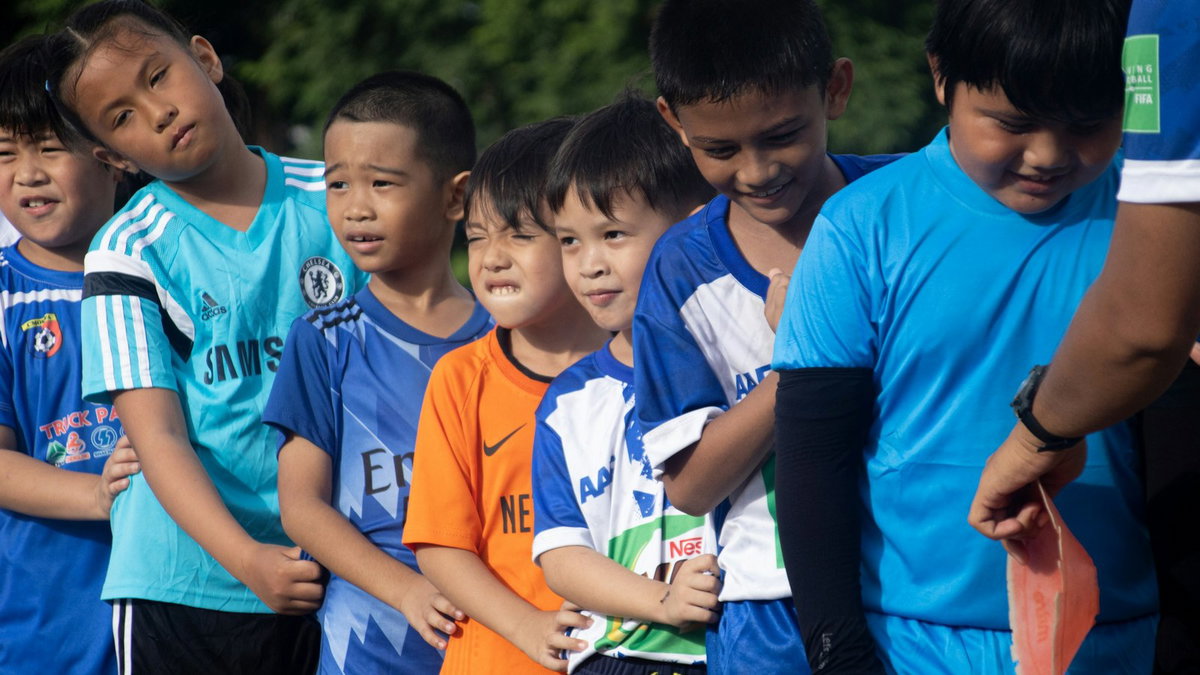
A change in energy, motivation, or joy can be a signal to pause and listen.
One sign by itself does not tell the whole story. Every athlete has tired days, bad moods, and rough practices. What matters is the pattern, especially when the athlete starts seeming less like themselves.
Emotional signs may show up first. Your athlete may dread practice, withdraw from teammates, stop talking about the sport, or become unusually hard on themselves. You might find they only talk about mistakes, or what they should have done better.
Physical signs matter too. Watch for persistent fatigue, sleep trouble, recurring aches, headaches, stomachaches, or getting sick more often. A drop in performance can also be part of the picture, especially when the athlete is still trying hard but looks flat or disconnected.
Behavioral signs can be easy to misread. Avoiding practice, dragging through warmups, or losing interest may seem like attitude at first. But sometimes the behavior is telling you the sport has stopped becoming a source of joy for your child.
Boston Children's Hospital, in guidance featuring sports medicine physician Dr. Andrea Rowan and mental skills specialist Kelsey Griffith of The Micheli Center for Sports Injury Prevention, points to signs such as loss of joy, loss of motivation, drop in performance, persistent fatigue, lingering self-doubt, and pressure tied to specialization or perfectionism.
Why burnout happens in youth sports
Burnout usually does not come from just one hard week. It often builds when the demands around the sport keep rising while recovery, choice, and joy keep shrinking.
For some athletes, the schedule is the pressure.
School, homework, practices, private lessons, strength training, weekend tournaments, travel, and social expectations all stack together.
For others, the pressure comes from their sense of identity hinging on their sport. The sport becomes where they earn praise, attention, belonging, or a sense of being good enough. Over time, a missed shot or slow race can feel like proof of who they are.
Engaging in multiple sports/activities throughout the year can make that pressure heavier. A single-sport path is not automatically harmful, but you should pay attention when your young athlete has little room outside one sport to rest, explore, spend time with family, or simply be a kid.
What to say without making your athlete feel broken
The first conversation matters. Not because you need perfect words, but because your athlete is listening for whether this is safe to talk about.
Start with observation and care, not accusation.
You might say, "I've noticed practice has felt heavier lately. I'm not mad. I just want to understand what it has been like for you."
Then ask one open question and actually wait. Many athletes need time to figure out what they feel, especially if they are used to pushing through.
If they say, "I don't know," that may be honest.
You can stay with them there: "That's okay. We do not have to solve it right now."
What helps is removing shame from the room. Avoid minimizing it or turning the conversation into a toughness test. That can make an athlete feel trapped between disappointing you and denying what is really happening.
If your athlete is having trouble naming the feeling, it may help to share this ISNation article on what burnout can feel like from the athlete's side. Sometimes athletes recognize themselves when someone else has put the experience into words.
What you can do next
Start by reducing pressure before you make big decisions. Your athlete may need a few days of real rest, fewer post-game questions, a calmer car ride, or permission to talk without the conversation becoming a plan.
Look at the schedule honestly.
How many days does your athlete have without organized sport?
Are they sleeping enough?
Do they have time with friends outside the team?
Are there recurring pains that keep getting brushed off?
If the pattern is persistent, intense, or affecting school, sleep, mood, appetite, relationships, or daily life, bring in support. A pediatrician, sports medicine clinician, mental health professional, or trusted coach can help you sort through what is physical, emotional, or schedule-related.
It may also help to revisit the difference between quitting the sport and quitting the weight around it. ISNation has written more about that distinction in Your Athlete Isn't Quitting the Sport. They're Quitting the Weight of It.
The goal is not to take sport away. The goal is to help your athlete feel supported enough to be honest about what they are carrying, and loved enough to know they do not have to carry it alone.
Continue the conversation with us
At ISNation, we believe mental fitness belongs in the everyday rhythm of sports, not only when an athlete reaches a breaking point. Download the ISNation app for more athlete-centered tools, parent guidance, and daily support built around the person behind the performance.