
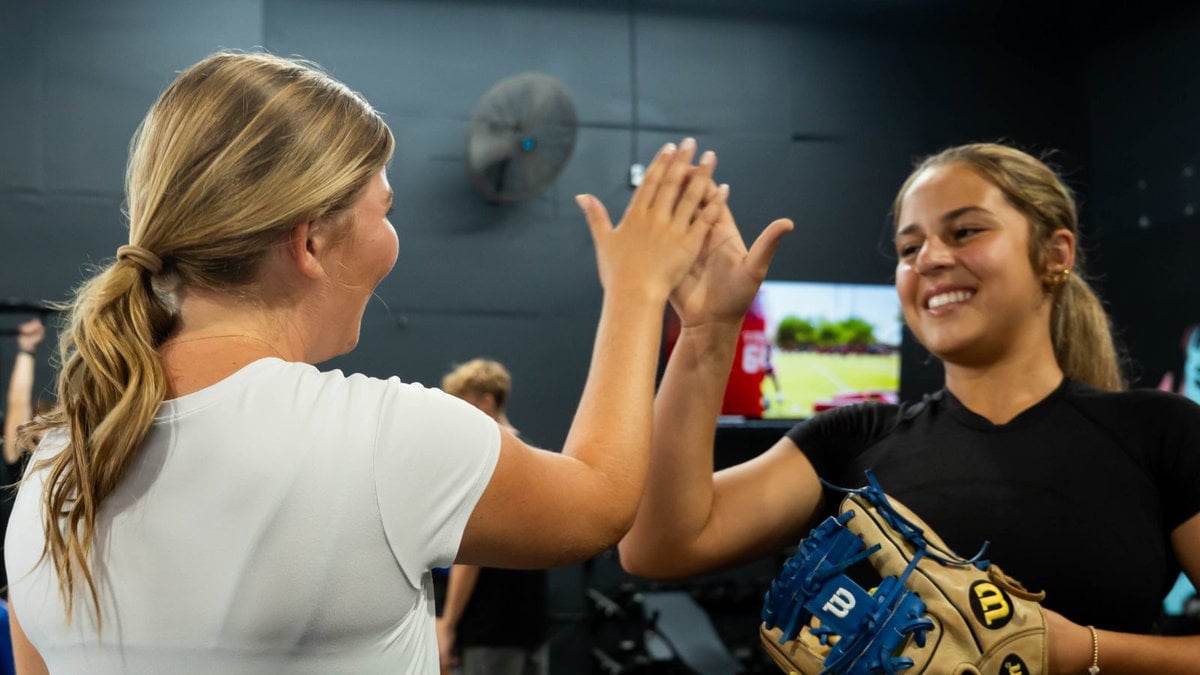
Key Takeaway: Growth mindset activities work best when they help an athlete feel safe enough to try, miss, adjust, and try again. The goal is not to make hard moments disappear. It is to teach your athlete that mistakes are part of learning, not proof that something is wrong with them. If you have ever watched your athlete shut down after one bad rep, one missed shot, or one tough conversation with a coach, you already know this is not really about effort alone. It is about what they make the moment mean. A fixed mindset says, "I messed up, so maybe I am not good at this." A growth mindset says, "I messed up, so now I know what to work on next." That shift sounds small, but in sports it changes how an athlete handles pressure and how they recover when the day does not go their way. Stanford psychologist Carol Dweck has long emphasized that when children are praised for their process, including effort, strategy, focus, and persistence, they become more motivated to keep learning. In a Stanford News article by Clifton B. Parker, Dweck explains that the kind of praise adults use can either open kids up to challenge or make them more afraid of getting something wrong. That matters in sports because athletes live in repetition. They are always being watched, corrected, ranked, timed, compared, or evaluated. A growth mindset is not a poster on the wall. It is a set of habits that helps them stay connected to learning when performance gets emotional.
Why growth mindset matters in sports

Sports can build confidence, resilience, and belonging. They can also make an athlete feel like every mistake is public. When that happens, some athletes stop taking risks, get quiet, or start sounding confident on the outside while panicking on the inside.
That is why growth mindset activities matter. They give athletes another way to interpret setbacks. Instead of treating a bad game like a verdict, they learn to treat it like information.
That mindset shift is not just motivational language. A 2026 study in *Frontiers in Psychology* by Yijing Chen, Ziwei Wu, Yin Zhou, and Feng Luo found that growth mindset and grit were meaningfully connected to athletic performance in college students, especially in endurance-related effort. The takeaway for younger athletes is practical: the way an athlete interprets challenge can influence whether they stay engaged long enough to improve.
If your athlete already struggles with self-talk, this work pairs naturally with positive self-talk examples and activities for athletes. Growth mindset helps them change the meaning of a mistake. Self-talk helps them change the words that follow it.
7 growth mindset activities that actually help
1. Add the word "yet"
When your athlete says, "I cannot do this," help them add one word: "yet."
"I cannot stay calm at the plate yet."
"I am not confident talking to my coach yet."
"I do not know how to recover after mistakes yet."
The point is not to force positivity. The point is to keep the story open.
2. Do a mistake-to-adjust reset
After practice or competition, ask these three questions:
- What happened?
- What did you learn?
- What will you try next time?
This keeps the conversation from getting stuck at emotion only. It also teaches that every mistake can lead somewhere useful.
3. Keep a small wins log
Have your athlete write down one small win after practice: better body language, one brave rep, asking a question, recovering faster after a mistake, or staying steady under pressure. Confidence grows when athletes learn to notice progress before the scoreboard catches up.
4. Praise strategy, not just outcome
Instead of saying, "You are so talented," try:
"I liked how you stayed with it after that mistake."
"You made a good adjustment there."
"You kept competing even when it got messy."
This is one of the simplest growth mindset activities for parents because it changes the environment, not just the athlete. The more your athlete hears that effort, strategy, and recovery matter, the less likely they are to believe that one bad moment defines them.
5. Practice one hard thing on purpose
Choose one skill that feels uncomfortable and make it the goal of the day. Not to master it. Just to stay with it.
Maybe it is using the weaker foot. Maybe it is speaking up in huddles. Maybe it is finishing a drill when frustration rises. The activity is not the skill alone. The activity is learning how to remain engaged while imperfect.
6. Use a pre-practice reset routine
Some athletes need help getting into a learning mindset before pressure starts. A two-minute breathing routine, one grounding phrase, and one process goal can do a lot.
For example:
"Breathe."
"Compete, do not prove."
"Today I am going to recover quickly after mistakes."
If that kind of routine helps your athlete, it connects well with The 2-Minute Habit That Builds Your Athlete's Confidence, which shows how small rituals can strengthen steadiness before performance.
7. End the day with one growth question
Try one of these at dinner or in the car:
"What challenged you today?"
"Where did you keep going when it got hard?"
"What is one thing you understand better now than last week?"
These questions teach your athlete to measure growth by learning, not just by results.
What parents and coaches should avoid
If your athlete is hurting, "Just think positive" will not help. If they feel ashamed, a lecture about resilience may only make them shut down more. If they are overwhelmed, turning every hard moment into a life lesson can make sports feel heavy.
The goal is not to perform emotional maturity on command. The goal is to create a climate where challenge feels survivable. That matters because research on mental health in sports argues that young athletes need room to make mistakes, learn from them, and stay anchored to process goals instead of feeling like their worth depends on results.
That means staying curious. It means noticing when your athlete needs support before instruction. It means remembering that a growth mindset is built through repetition, safety, and trust, not one perfect pep talk.
How to make growth mindset part of everyday sports life
You do not need seven new routines tomorrow. Start with one.
Pick the activity that fits your athlete's real friction point. If they spiral after mistakes, use the reset questions. If they freeze before practice, use the pre-practice routine. If they tie their worth to results, start the small wins log.
Over time, these small moments teach a deeper belief: you are allowed to be in progress here. Athletes who feel safe to learn usually stay more open, more resilient, and more connected to the sport itself.
And that is the heart of this work. Not perfection. Not hype. Just helping the athlete behind the performance keep growing, one honest rep at a time.
Continue the conversation with us
If your athlete is hard on themselves after mistakes, shuts down when things get messy, or seems to carry every setback longer than they used to, you are not overreacting. These moments are often where mental fitness work needs to begin.
ISNation exists to help athletes and families build that support in everyday life. Explore more tools at https://www.isnation.com/download.