
Key Takeaway
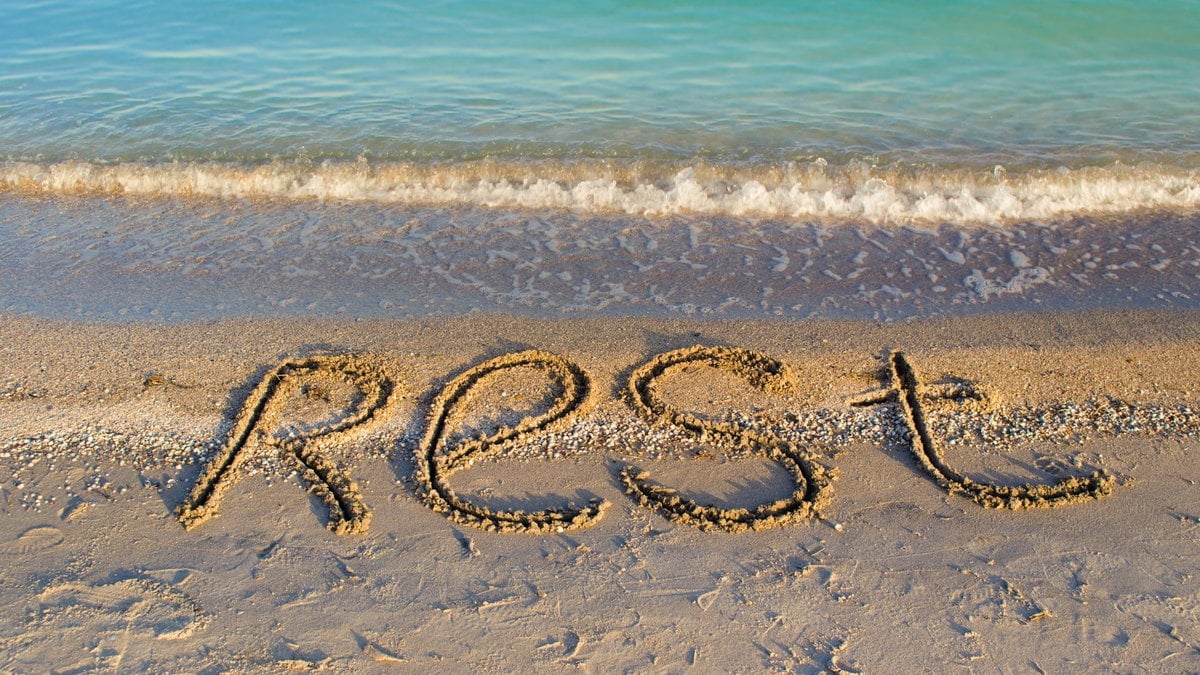
Rest can feel risky when everyone around you seems to be training, posting, improving, and chasing the next opportunity. But recovery is not the opposite of commitment. It is part of how you protect your body, your confidence, and your love for the sport long enough to keep growing.
You know you are tired. Not just normal tired after a hard practice, but the kind of tired that follows you into school, dinner, homework, and sleep. Your legs feel heavy. Your mood changes faster. Small mistakes bother you more than they should. Even things you usually enjoy start to feel like one more thing to get through.
Then someone posts another workout. A teammate says they are doing extra reps. A rival shows a morning session, a private lesson, a tournament weekend, a recovery routine that somehow still looks like work. Suddenly the thought of resting feels less like taking care of yourself and more like falling behind.
So you push. You tell yourself everyone is tired. You tell yourself strong athletes do not need breaks. You tell yourself if you stop, someone else will take your spot.
That fear is real. It is also not the whole truth.
Why rest can feel threatening
Rest feels threatening when your brain has learned to connect worth with constant output. If you only feel safe when you are doing more, then stopping can feel like losing control. Even a day off can make you wonder if you are lazy, soft, or less serious than the athletes around you.
But more is not always better. Maile Sapp, writing for the Association for Applied Sport Psychology, explains in an AASP article on high school athlete burnout that student-athletes carry physical, psychological, academic, and social demands, and that worry, negative emotions, illness, and injury can all contribute to burnout risk.

Recovery is not doing nothing
One reason rest feels wrong is that it looks inactive from the outside. Training is visible. Recovery is quieter. Nobody claps because you went to sleep on time, ate enough, took a lighter day, or told your coach your body was not responding well.
But recovery is still work. It is the work of letting your body adapt. It is the work of giving your mind enough space to reset. It is the work of not turning every tired signal into something you ignore until it becomes louder.
The American Academy of Pediatrics clinical report “Overuse Injuries, Overtraining, and Burnout in Young Athletes,” led by Joel S. Brenner, MD, MPH, FAAP, notes that training loads without enough recovery can contribute to overtraining, illness and injury risk, and psychological strain. That is not a warning for athletes who do not care. It is often a warning for athletes who care so much that they keep pushing past the point where pushing helps.
Rest is not proof that you lack discipline. Sometimes rest is discipline.
Listen before your body has to yell
A lot of athletes wait for pain, injury, or total exhaustion before they take recovery seriously. The problem is that your body usually whispers before it yells. Heavy legs, poor sleep, irritability, constant soreness, dread, lower motivation, or feeling disconnected from the sport can all be signals.
Signals are not excuses. They are information.
Try checking in with yourself the way you would check a scoreboard: What is my energy today? What is my mood? What hurts? What feels normal? What has changed over the last week? If you notice the same warning signs for several days, that does not mean panic. It means pay attention.
You can still be committed and honest. You can tell a coach, “I want to train well, but my body feels off today. Can we adjust?” You can tell a parent, “I’m scared to rest because I feel behind, but I also know I’m not recovering.” Those conversations can feel uncomfortable, especially if you are used to being the athlete who never complains. But asking for support is part of staying in the game, not stepping away from it.
Make rest specific, not vague
“Just rest” can sound impossible when your mind is racing. Specific rest is easier to trust.
Try naming what kind of recovery you actually need. Do you need sleep? A lighter practice? A full day off? A screen break before bed? Time away from recruiting posts? A meal that is not rushed in the car? Ten quiet minutes after school before you talk about sport?
Specific rest also helps you avoid the guilt spiral. Instead of telling yourself, “I did nothing,” you can say, “I protected my sleep,” or “I gave my legs a low-impact day,” or “I reset my mind so tomorrow’s practice can actually be useful.” That language matters. It reminds you that recovery has a purpose.
Your sport needs the whole you
There may be seasons when you have to work hard, sacrifice, and stretch your limits. That is part of sport. But if the only version of you that feels acceptable is the exhausted version, something is off.
You are allowed to want big things and still need recovery. You are allowed to be competitive and still have limits. You are allowed to miss a session for a real reason without turning it into a character flaw.
If you are constantly afraid that rest will make you irrelevant, it may help to remember what you are actually trying to build. Not just one good week. Not just one impressive post. Not just one stretch where you outwork everyone while quietly losing your joy. You are trying to build a body and mind that can keep showing up.
That is mental fitness: learning when to push, when to pause, and how to trust that taking care of yourself belongs inside your definition of commitment.
A reset for the next time guilt shows up
The next time rest feels like falling behind, try saying this: “Recovery is part of my training. I am not quitting. I am rebuilding.”
Then do one concrete thing that supports that sentence. Put the phone away earlier. Eat something steady. Stretch lightly. Tell someone the truth. Sleep. Let your mind have a night where sport is not grading you every second.
You are not a machine built to produce. You are an athlete, and also a person. The person needs care for the athlete to last.
If rest has started to feel like guilt, weakness, or panic, ISNation can help you build a healthier relationship with pressure and recovery. Our community is here for athletes learning how to chase goals without losing themselves in the process. Download ISNation and keep building mental fitness with people who understand the athlete behind the performance.