

Key Takeaway: Being judged online after a bad game can make one mistake feel bigger than it really is. You cannot control every comment, clip, repost, or reaction, but you can control how quickly you expose yourself to it, who helps you process it, and what story you allow it to tell about you. One performance is information. It is not your identity.
The game ends, but your brain does not.
You replay the mistake before anyone else says a word. The missed shot. The dropped pass. The strikeout. The turnover. The slow start. The moment you wish you could pull back and do again. You already know what happened, but then your phone lights up.
A tag. A clip. A comment. A joke in a group chat. A stranger with too much confidence and not enough context. Maybe it is not even cruel at first. Maybe it is just people talking about you like you are not a real person who has to read it later.
That is the strange part of being an athlete now. A bad game used to end mostly in the locker room, the car ride home, or the next practice. Now it can follow you into your bedroom, your notifications, your school hallway, and your own thoughts at midnight.
First, admit that it hurts
You do not have to pretend online judgment does not affect you. It is easy for people to say, “Just ignore it,” especially when they are not the one being talked about. But if you care about your sport, your teammates, and how you are seen, of course criticism can land hard.
What makes this especially difficult is that online comments can feel both personal and endless. One person’s reaction becomes a screenshot. One clip becomes the version of you people remember. One bad moment starts to feel like evidence that you are not good enough.
That is not weakness. That is being human.
The NCAA has been paying attention to this problem at the college level. In its 2025 GOALS study, the NCAA reported that 51% of Division I men’s basketball student-athletes said they received social media abuse based on athletic performance. This is not just “athletes being sensitive.” Online judgment has become part of the pressure environment many athletes are trying to survive.
Do not review the internet before you recover
After a bad game, your nervous system is already activated. You may be angry, embarrassed, sad, wired, or numb. That is not the best time to walk into a comment section and let strangers vote on your worth.
Give yourself a buffer before checking anything. That might mean 30 minutes. It might mean the whole ride home. It might mean handing your phone to a parent, teammate, or friend for the night. The point is not to be dramatic. The point is to stop adding more emotional hits before you have had a chance to breathe.
If you want a simple rule, try this: no searching your name, checking tags, reading comments, or watching clips until you have done three basic recovery things. Eat something. Shower or change clothes. Talk to one real person who sees you as more than the game.
That may sound small, but it matters. Your brain processes criticism differently when your body has had a chance to come down.

Recovery has to happen before you let the internet add more noise.
Separate feedback from noise
Not every uncomfortable comment is useful feedback. Some of it is noise. Some of it is projection. Some of it is gambling anger, fan frustration, rivalry behavior, or people trying to feel powerful by being cruel online.
Useful feedback usually comes from someone invested in your growth. A coach breaking down your positioning. A teammate giving honest accountability. A trainer helping you see what your body did under pressure. That kind of feedback may sting, but it has a purpose.
Noise usually has no responsibility attached to it. It says, “You’re trash,” but does not know your assignment. It says, “You sold,” but does not know what happened in practice, what you were playing through, or what the actual game plan was. It talks about you like a product, not a person.
You do not need to treat noise like coaching.
Protect your feed like part of your training
If you are serious about your sport, you probably already protect your body in certain ways. You warm up. You recover. You avoid doing things that increase injury risk before a big game. Your mind deserves the same kind of protection.
The CDC’s 2023 Youth Risk Behavior Survey found that frequent social media use among high school students was associated with higher prevalence of bullying victimization, persistent sadness or hopelessness, and some suicide risk indicators. That does not mean every athlete needs to delete every app. It means your online environment can affect your mental health, especially when you are already under pressure.
After a bad game, use the tools that are there for a reason. Mute words. Limit comments. Turn off notifications. Block accounts that cross the line. Ask someone you trust to screen messages if you are worried there may be threats or abuse. If something feels threatening, discriminatory, sexual, or violent, save it and tell an adult, coach, school official, or platform support. You do not have to handle that alone.
ISNation has also written about helping athletes understand screen time and what happens emotionally online. The point is not that phones are bad. The point is that what happens on them can follow you into confidence, sleep, focus, and identity if you never get space from it.
Build a post-game reset before you need it
The worst time to create a plan is when you are already spiraling. Build your reset while you are calm.
Choose three people whose voices are allowed in after a bad game. Maybe it is a parent, coach, teammate, sibling, or mentor. These are people who can tell you the truth without reducing you to your performance.
Then choose your first-hour rule. For example: “For the first hour after a game, I do not read comments. I eat, hydrate, cool down, and talk to my people.” Make it boring. Boring plans are easier to follow when emotions are loud.
You can also create one sentence that brings you back to reality. Something like, “This was a hard game, not the whole story.” Or, “I can learn from this without becoming it.” It may feel awkward at first, but mental fitness works like physical reps. You practice the thought before you fully believe it.
Remember who gets the full story
People online usually see fragments. A clip. A stat line. A final score. A mistake without the hours around it. They do not see the early mornings, the injury you managed, the pressure you carried, the way you supported a teammate, or the work you will do tomorrow.
That does not make criticism painless. It just puts it in the right place.
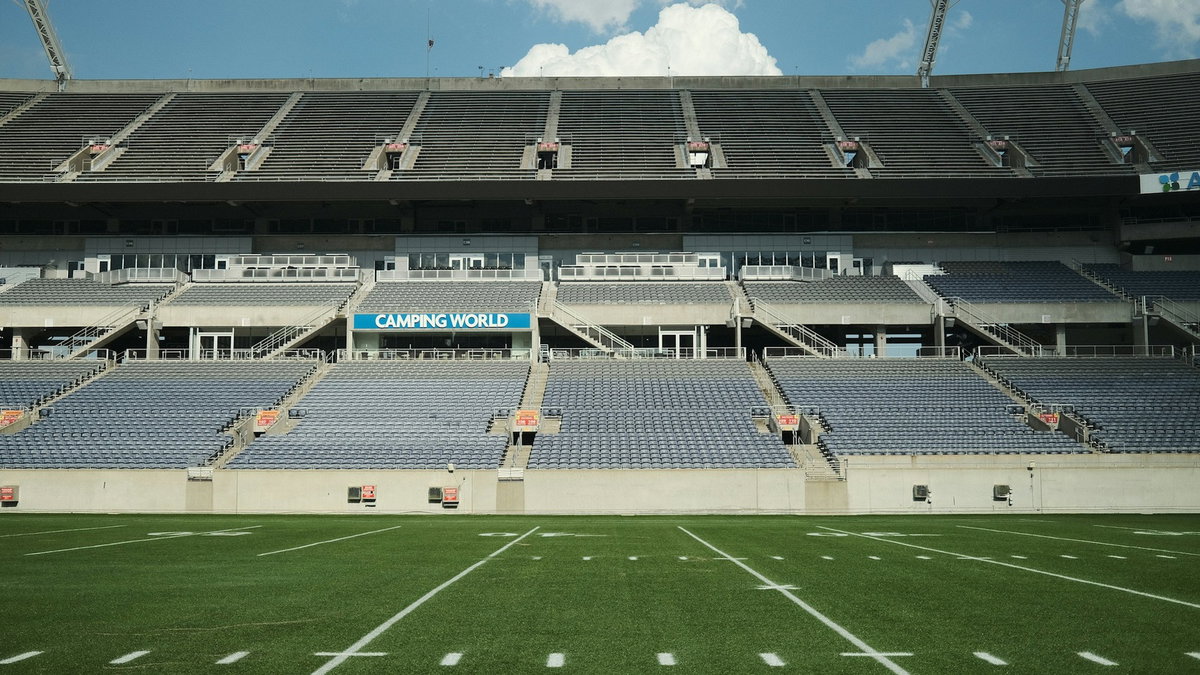
Public judgment usually sees the arena, not the full person inside it.
If sports pressure is already hitting hard, ISNation’s piece on what helps when pressure builds can be a useful next read. Because online judgment often does not create the pressure from nothing. It adds volume to pressure that was already there.
Keep Building With ISNation
If one game or one online reaction is starting to feel bigger than the athlete, ISNation helps rebuild perspective around the whole person.
Download the ISNation app to keep practicing the mental side of sport with tools and support built for athletes, parents, and the everyday moments that shape confidence.