
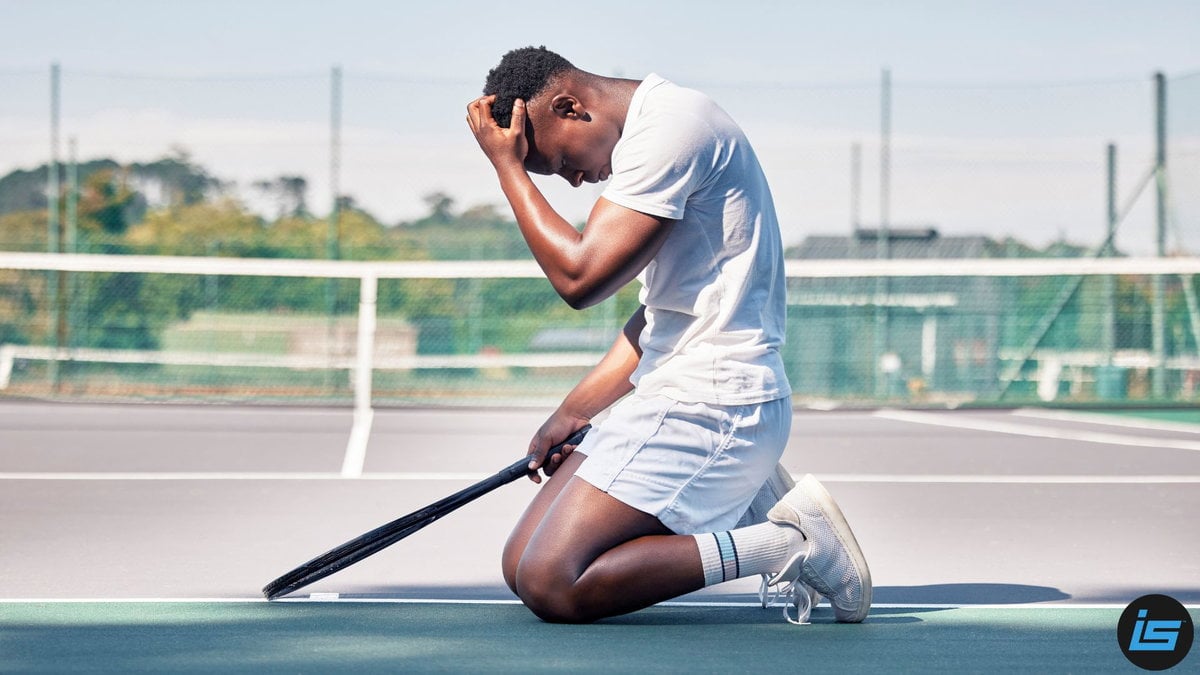
Key Takeaway: Feeling relief when competition ends does not automatically mean you are lazy, dramatic, or done with your sport. It can be a sign that pressure, worry, or burnout have started to outweigh freedom and enjoyment. The goal is not to shame yourself for that reaction. It is to treat relief like information and rebuild a healthier relationship with performance.
The game ends and everyone around you seems to know what they are supposed to feel. Excitement. Frustration. Hunger for the next rep. Maybe you feel some of that too. But underneath it, maybe louder than all of it, is one private thought: thank goodness that is over.
That can be a hard thing to admit, especially if you still care about your sport. You may worry it means you are soft, mentally weak, ungrateful, or secretly done. But relief is not always a sign that you do not love competing. Sometimes it is a sign that competing has started to feel like something your body has to survive.
If the best part is the ending, it is worth paying attention. Not with shame. With honesty.
Why relief can feel bigger than joy
The Association for Applied Sport Psychology points (AASP) to this directly. In an article, AASP notes that some athletes experience relief when pressure stops, especially when they have been carrying injury stress, burnout, or performance anxiety.
AASP mental performance consultant Maile Sapp of Boston University describes burnout as a mix of emotional and physical exhaustion, reduced sense of accomplishment, and sport devaluation, and notes that negative affect and worry raise the risk. In plain language: if your mind has been carrying too much pressure for too long, relief at the end is not random. It fits.
That does not mean every tired athlete is burned out. It does mean that if competition feels more like exposure than expression, your nervous system may start treating the finish line like safety. Of course relief shows up. The threat finally eased.

What this can quietly change in you
When relief becomes the main reward, the whole experience can tighten. You may play to avoid disaster instead of to create. You may rush through warmups, overthink simple moments, or feel emotionally flat even on good days. You may start dreading the hours before competition more than you enjoy the actual work you once loved.
It can also make recovery confusing. If you already feel guilty resting, this pattern can turn rest into the only time you feel like yourself. Recovery is not just about the body. It is about having places in your week where your brain does not feel hunted by the next result.
And if your inner voice has started turning pressure into constant self-surveillance, the problem is not only physical fatigue. It is the story in your head.
How to treat relief like information
Ask what exactly ended when the game ended: the pressure to impress, the fear of mistakes, the noise in your head, the physical overload, or all of it together.
Track the pattern for two weeks instead of judging it from one bad night.
Put recovery back on the schedule on purpose: sleep, food, off-screen quiet, and one part of life that has nothing to do with performance.
Tell one trusted person the honest version: "I still care, but competing feels like relief only when it is over."
That last step matters. Pressure grows in secrecy. Once you say it out loud, you have more options. A coach can adjust load. A parent can stop adding extra analysis. A counselor or sport-psych professional can help you sort out whether this is mostly anxiety, mostly burnout, or a mix of both.
You do not need to blow up your whole sports life to respond well. Sometimes the first move is smaller: one more recovery day, one more honest conversation, one less habit of pretending you are fine because you think everyone else is handling it better.

The goal is not to care less
The goal is to feel more free inside something you care about. To compete without needing the final whistle just to breathe again. To let intensity exist without turning every event into a private emergency. Relief is not the enemy here. It is a signal telling you the current version of pressure may be too expensive.
Listen to the signal early enough, and you may not need a collapse to make a change. You may simply need support, recovery, better language for what you are carrying, and a steadier way to remember that you are more than whatever happens in one competition window.
Continue the conversation with us
If competing only feels good once it is over, ISNation can help you understand the pressure under that relief and rebuild a healthier relationship with performance. Download ISNation for athlete support that makes room for honesty, recovery, and confidence that does not depend on surviving every moment alone.