
Key Takeaway
When a young athlete becomes irritable, withdrawn, or “not themselves,” it is often easy to interpret it as attitude or defiance. But in many cases, behavior is one of the clearest signals of exhaustion. Fatigue in athletes does not always show up as sleepiness—it can appear as mood changes, low patience, or a loss of enjoyment.
For parents, the most helpful shift is to treat recovery as a core part of training, not something earned after everything else is done. When sleep, downtime, and reduced mental load are protected alongside practice and school, athletes are more likely to stay both physically healthy and emotionally steady.
Before reacting to behavior, it can help to first ask what the body and schedule are demanding. Often, what looks like an attitude problem is actually a recovery problem.
Fatigue does not always look sleepy
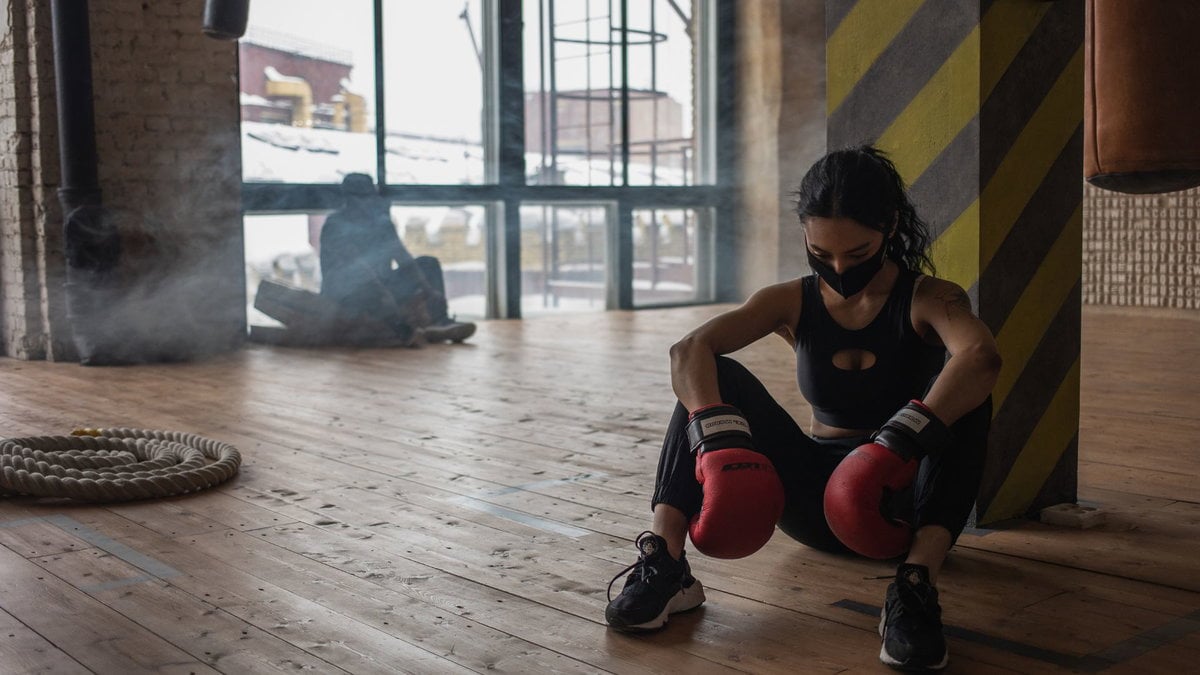
Most parents know what tired looks like when a child is little. Heavy eyes. Slower steps. Falling asleep in the car. With older athletes, fatigue can show up differently. It can look like irritability, forgetfulness, tears over something small, losing joy in practice, or needing hours alone after school and training.
That matters because many young athletes are living inside adult-sized schedules. School, homework, practice, lifting, private lessons, travel weekends, social pressure, recruiting worries, family responsibilities, and phones that never fully go quiet can all crowd the same 24 hours. In a consensus statement from the American Academy of Sleep Medicine, Dr. Shalini Paruthi and colleagues recommend that teenagers ages 13 to 18 get 8 to 10 hours of sleep per 24 hours to support health and functioning.
That number can feel almost unrealistic in a serious sports season, which is exactly why it needs to be named. If the schedule only works by borrowing from sleep every night, the cost usually shows up somewhere. It may show up in mood before it shows up in performance.
Start with curiosity before correction

When your athlete is rude or withdrawn, you are still allowed to have boundaries. Exhaustion does not give them permission to speak to everyone badly. But the first move does not have to be a lecture. Try curiosity before correction, especially if the behavior is new or appears during a stretch of intense training.
You might say, “You seem really spent tonight. I am not okay with being snapped at, but I want to understand what is going on.” That kind of sentence does two things at once. It holds the line, and it keeps the relationship open.
Look at the whole load, not just the sport
Parents often ask whether the sport schedule is too much. That is a good question, but it is not the only one. The real question is whether the whole load is too much: school stress, social stress, travel, extra training, nutrition, sleep, pressure from adults, pressure from teammates, and the athlete’s own expectations.
In a position statement for the American Medical Society for Sports Medicine, Dr. John P. DiFiori and colleagues describe burnout as part of a broader overtraining picture that can include emotional and physical strain. For families, the useful takeaway is not to diagnose your athlete from one tired week. It is to pay attention when exhaustion becomes a pattern and sport starts taking more from the athlete than it is giving back.
A simple family check-in can help. Ask, “What part of this week feels heaviest?” Then be quiet long enough for the real answer to arrive. They may say homework. They may say a coach. They may say they are fine. Even then, you have opened a door without turning it into an interrogation.
Make recovery visible and normal
Many athletes treat recovery like something they should sneak in after all the important work is done. Parents can help change that message. Sleep, food, hydration, downtime, and real connection are not signs that an athlete lacks discipline. They are part of how discipline becomes sustainable.
Try building one recovery anchor into the day. It could be a no-sports-talk dinner after late practice, a phone charging spot outside the bedroom, a 20-minute decompression window before questions, or one night each week where the family protects sleep like an appointment. If phones are part of the late-night problem, ISNation’s guide on screen time and what athletes experience online can help make the conversation less about blame and more about support.
The goal is not to remove every hard thing. Growth does ask athletes to do difficult work. The goal is to stop confusing constant depletion with commitment.
Know when to widen the circle
If your athlete is exhausted for a few days during a busy stretch, start with rest, food, conversation, and schedule awareness. If the pattern continues, widen the circle. Talk with a coach about workload. Check in with a pediatrician, athletic trainer, counselor, or qualified mental health professional if mood, sleep, appetite, injury symptoms, or motivation are changing in ways that worry you.
You do not need to wait until there is a crisis to ask for help. Sometimes the best support is early, calm, and practical.
If your athlete seems unlike themselves during a demanding season, start with love and look at the load underneath the behavior. ISNation gives families a place to keep learning how to support the athlete behind the performance, including the tired, quiet, irritable moments that do not always come with easy answers. Download ISNation and keep building a healthier way to talk about pressure, recovery, and the whole person inside the sport.