
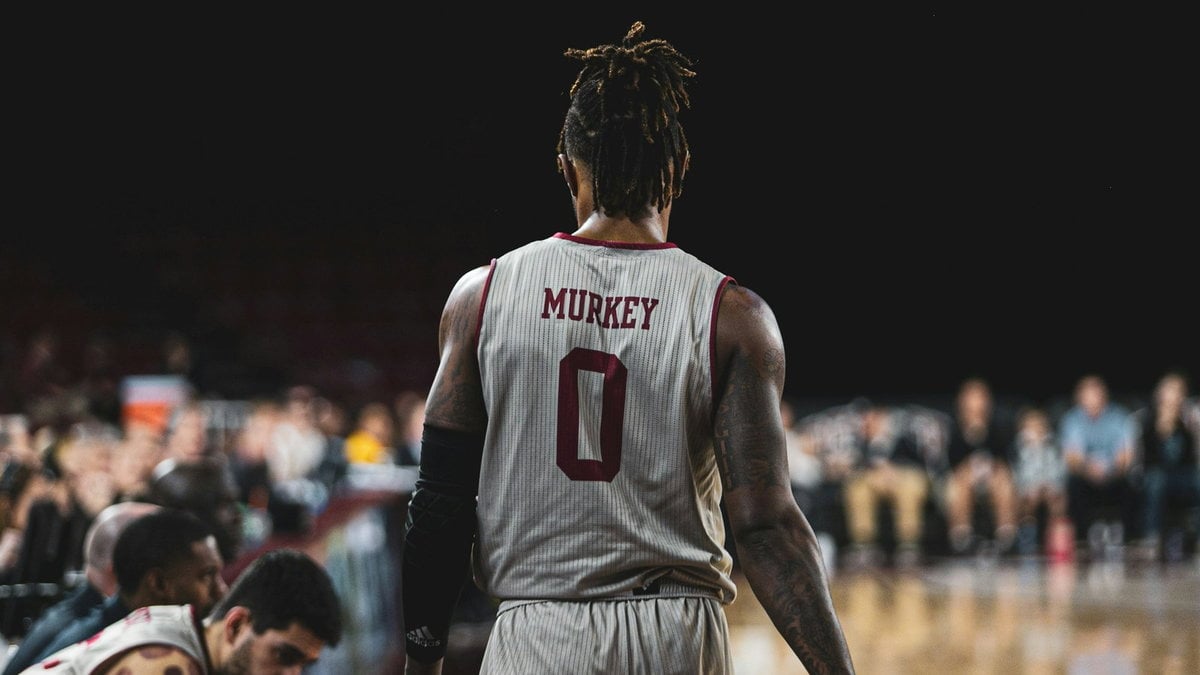
Key Takeaway: Rest is not the opposite of commitment. For young athletes, recovery is part of staying healthy, motivated, and connected to the sport they love. Parents can help by treating rest as training support, not as a sign their athlete is falling behind.
The no-offseason feeling is real
The calendar used to have edges. A season started, a season ended, and somewhere in the middle of summer there was space to be bored, sleep in, and remember that your athlete was a whole person outside the uniform. Now the year can feel like one long tryout: school season, club season, clinics, showcases, private lessons, strength sessions, and “optional” workouts that somehow do not feel optional at all.
What makes this especially hard is that most parents are not trying to push their athlete into exhaustion. You are trying to protect opportunity. You see other families traveling, training, posting, and signing up for the next thing, and it is easy to wonder whether a weekend off will become the weekend your athlete gets passed. That fear is understandable, but it can quietly turn rest into something that feels suspicious instead of necessary.
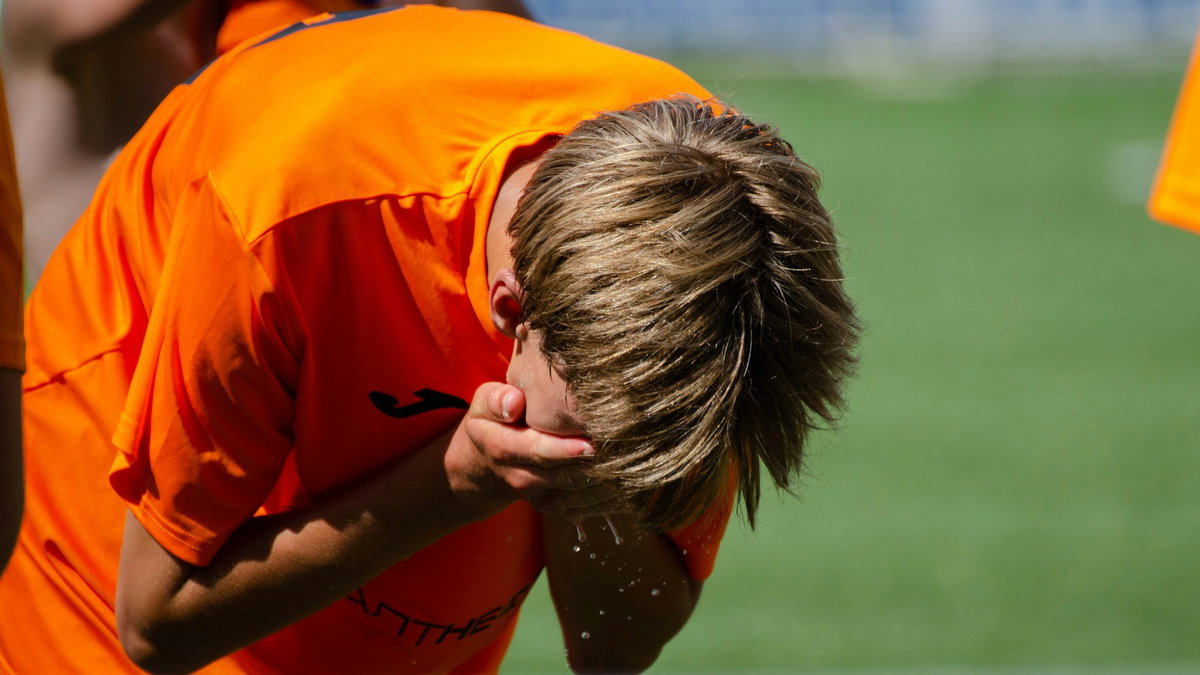
Fatigue is often a signal that recovery needs to be protected.
Rest is part of development
The American Academy of Pediatrics encourages youth sports participation while also emphasizing age-appropriate activity, recovery, and attention to overuse. Young bodies are still growing, and young minds are still learning how to carry pressure, disappointment, identity, and expectation. When the schedule never breathes, the athlete may keep performing for a while, but the joy often gets thinner.
This does not mean your athlete needs to quit training or step away from ambition. It means recovery has to be treated like part of the plan. Sleep, unstructured time, family time, and days without evaluation help the nervous system settle. They also give athletes room to miss the sport again, which matters more than most families realize.
How parents can protect rest without creating panic
Start by naming rest as a performance support, not a punishment. Instead of saying, “You need a break because you look burned out,” try, “This weekend is part of your training plan. Your body and mind need time to absorb the work you have been doing.” That language matters because athletes who are already anxious can hear “rest” as “you are weak” or “you are losing ground.”
You can also choose one protected block before the calendar fills. Maybe it is one Sunday a month with no sport commitments. Maybe it is a full week after a heavy season. Put it on the calendar early and treat it with the same seriousness as a tournament. If another opportunity appears, you can decide with clear eyes instead of reacting from fear.

A full sports calendar needs real space to breathe.
Watch for the signs that the sport is taking too much
Burnout is not always dramatic. It can look like irritability before practice, constant soreness, trouble sleeping, dread before games, or an athlete who says they are “fine” but seems emotionally flat. If that sounds familiar, it may help to read ISNation’s piece on when athletes seem like they want to quit, because sometimes the issue is not the sport itself. It is the weight around the sport.
The goal is not to rescue your athlete from every hard stretch. Hard work is part of sport. The goal is to notice when hard work has stopped building them and started consuming them.
A simple family reset
Ask your athlete three questions: What part of the schedule gives you energy? What part drains you the most? Where do you wish you had more space? Then listen without turning the answers into an immediate solution. Sometimes the first gift is letting them say it out loud without having to defend it.
ISNation’s Start With Love approach fits here because love does not mean lowering standards. It means remembering that the standard is supposed to serve the athlete, not swallow them. A rested athlete is not falling behind. They are being given the chance to keep becoming.
Build recovery into the family language
One of the most helpful shifts is to stop treating rest like an emergency response. If rest only appears after your athlete melts down, gets hurt, or begs for space, it can feel like something has already gone wrong. Instead, make recovery a normal part of how your family talks about sport. After a heavy week, you might ask, “What helped you recover best?” with the same curiosity you would bring to a good practice or a strong game.
This also gives your athlete permission to notice their own limits before those limits become a crisis. Many young athletes are praised for being tough, available, and willing to push through, so they may need help learning that body awareness is not weakness. It is maturity. An athlete who can say, “I need sleep,” or “My legs feel heavy,” or “I need a quiet night,” is not making excuses. They are learning to participate in their own development.
When other families keep going
The hardest test often comes when another family says yes to the extra tournament, the private session, or the last-minute camp. You may feel the old fear rise again. In that moment, come back to your athlete in front of you, not the imagined athlete you are afraid they need to become. What does their body need? What does their mood tell you? What season are they in academically, socially, and emotionally?
There will be times to stretch, compete, and chase the opportunity. There should also be times to recover without apology. The balance will never be perfect, but your athlete does not need perfect. They need adults who can stay thoughtful when the culture gets loud.
Keep Building With ISNation
If rest feels like falling behind, ISNation helps athletes and families treat recovery as part of mental fitness, not a reason for guilt.
Download the ISNation app to keep practicing the mental side of sport with tools and support built for athletes, parents, and the everyday moments that shape confidence.