
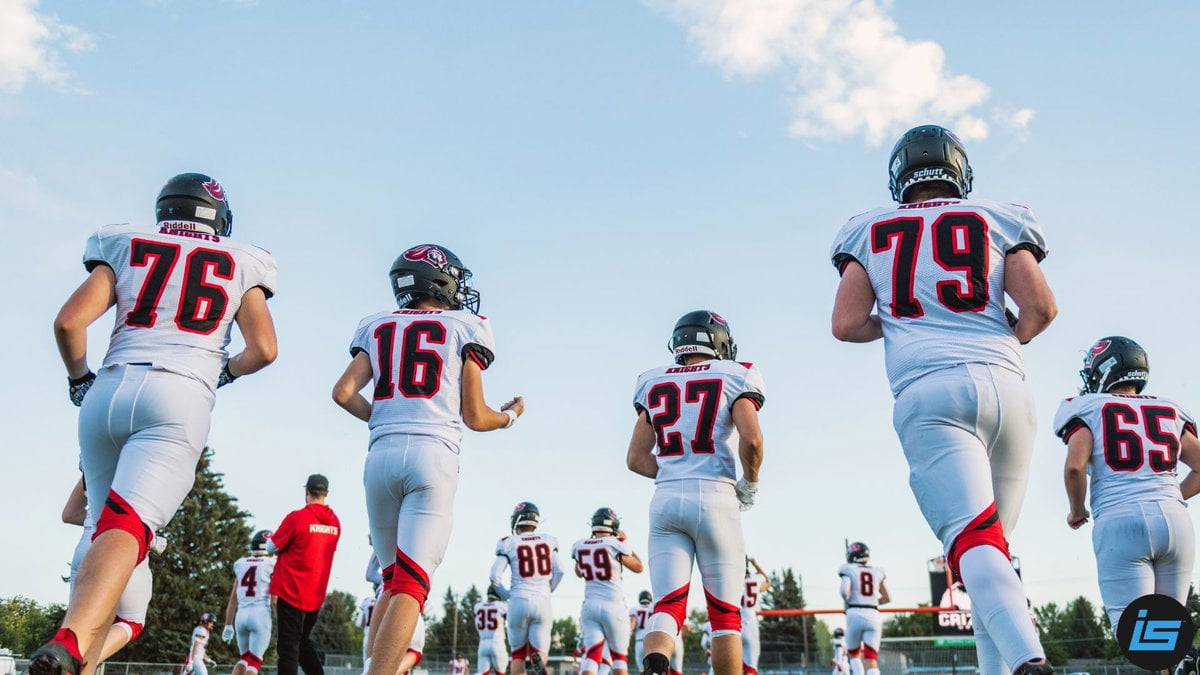
Key Takeaway: Wanting space from your team does not automatically mean something is wrong with you or with your sport. Sometimes it means your brain and body need a quieter place to reset. The goal is not to disappear from everyone who matters. It is to stop treating every need for space like proof that you are selfish, distant, or a bad teammate.
You can care about your team and still feel relieved when practice ends. You can like your teammates and still not want to stay on the phone all night. You can want to compete and still feel tired of always being available, upbeat, talkative, funny, or socially on. None of that automatically makes you selfish. It might just mean your nervous system is asking for room.
A lot of athletes feel guilty the second they need that room. You skip one hangout and start wondering if people will think you are distant. You mute the chat and feel like you are letting the group down. You want a quiet car ride instead of more team talk and suddenly you are questioning your commitment. That kind of guilt can make you stay overconnected long after connection stops feeling supportive.
Why team closeness can get complicated
In Frontiers for Young Minds, Mark Eys, PhD, Taylor Coleman, and Travis Crickard of Wilfrid Laurier University describe team cohesion as the glue that helps teammates stick together. They also point out that strong social cohesion can come with downsides when players feel pressure to fit in, when communication gets tense, or when some athletes start feeling isolated outside the main group. That matters because needing space is not always a sign that you are doing team life wrong. Sometimes it is a sign that the social part has stopped feeling light.
This is where athletes can confuse availability with loyalty. Being a good teammate does not require constant access to you. It requires honesty, effort, respect, and a way of staying connected that does not burn you out in the process.
Why the guilt hits so fast
Part of the guilt comes from the stories athletes tell themselves. If I really loved my team, I would want to be around them all the time. If I need a break, maybe I do not belong here. If I say no, maybe people will stop inviting me. Those thoughts can get loud, especially when the team matters a lot to your identity.
Self-compassion helps here more than self-judgment does. Leading experts explain that self-compassion can reduce negative thoughts and fears after difficult sport experiences. That does not just apply after mistakes in competition. It also applies when you are having a hard internal reaction to your own needs. If the voice in your head is saying "you are a bad teammate for needing a minute," self-compassion helps you answer with something more accurate.
You do not need to turn a normal need for space into a character issue. Sometimes the pressure is simply high. Sometimes the week has been loud. Sometimes you are carrying stuff nobody else can see.

What healthy space can look like
Go home instead of forcing one more hangout you do not have energy for.
Mute the chat for a few hours so your brain can settle after practice.
Take one walk, shower, or meal without making it a team debrief.
Tell one trusted teammate, "I am good, I just need a quieter night."
Healthy space is different from shutting everyone out for weeks and pretending nothing is wrong. It is not punishment. It is recovery. It helps to think of it like the mental version of taking off sweaty gear after practice. You are not rejecting the team. You are trying to return to yourself before the next demand starts.
You also do not owe a dramatic explanation every time. A simple sentence can be enough: "I need a reset tonight." "I am laying low after practice." "Nothing is wrong, I just need quiet." Clear does not have to mean intense.

How to know when it is more than a need for space
If being around the team regularly leaves you tense, sick to your stomach, ashamed, or afraid to be yourself, that deserves a deeper look. The same is true if the only way you can cope is to disappear completely, keep everything inside, or act fine while your sleep and mood keep changing. Space can help. So can talking to a parent, counselor, coach, or another adult you trust.
You are allowed to want team connection and boundaries at the same time. In fact, that mix often makes the connection healthier. The goal is not to become less committed. The goal is to stop paying for belonging by abandoning yourself every time you need a breath.
If you need space from your team and do not want that space to turn into guilt, ISNation can help you stay connected without disappearing inside the pressure. Download ISNation for support that helps athletes manage team dynamics, protect their energy, and keep showing up as the whole person behind the performance.