
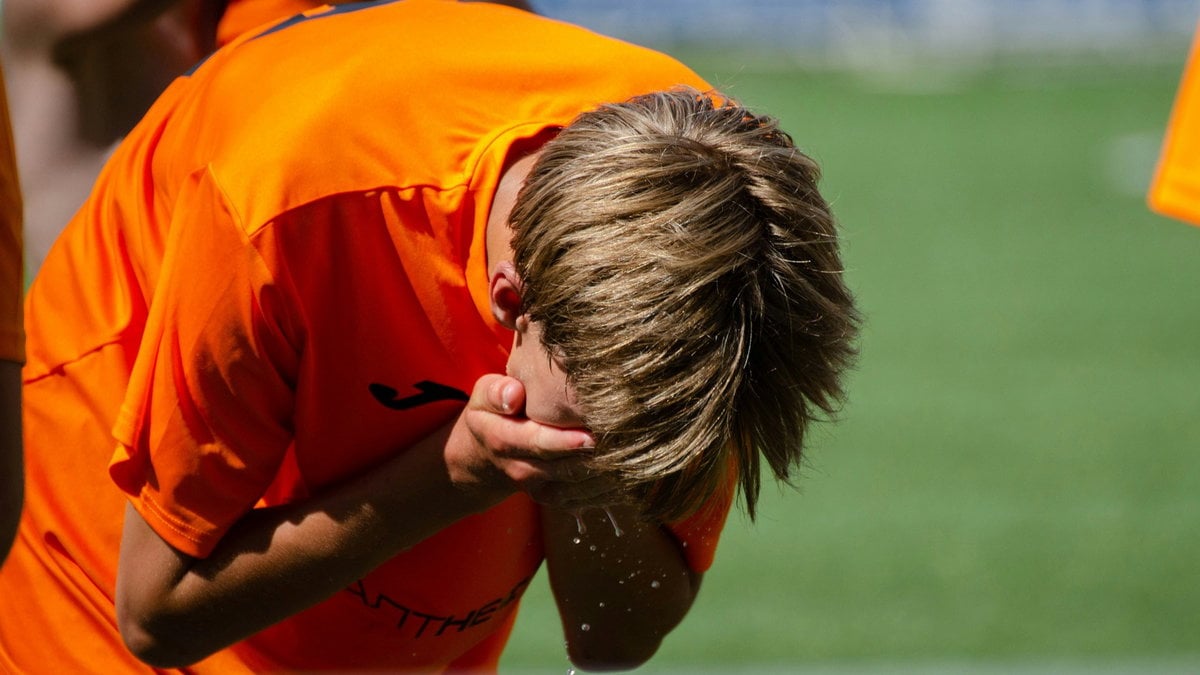
Key Takeaway: Freezing after a mistake is often a stress response, not laziness or lack of toughness. Parents help most by teaching a small reset, and separating the athlete from the error. Recovery is a skill athletes can practice.
You can see it happen in real time
Your athlete makes one mistake, and something changes. Their shoulders drop. Their feet slow down. They start playing not to mess up again. From the sideline, it can look like they stopped trying, but inside their body may be reacting as if the mistake is danger.
That is why yelling “forget it” rarely works. If forgetting were easy, they would already be doing it. The better question is: what helps their mind and body return to the next play?
Freezing is not a character flaw
Mistakes can trigger embarrassment, fear, and a rush of self-protection. Some athletes get loud. Some rush. Some shut down. Freezing is one version of that response, especially for athletes who care deeply or believe one error changes how people see them.
The CDC explains that stress can affect thoughts, emotions, and physical reactions. In sport, that may look like hesitation, tunnel vision, shallow breathing, or suddenly avoiding the ball. Your athlete needs a reset skill, not a label.
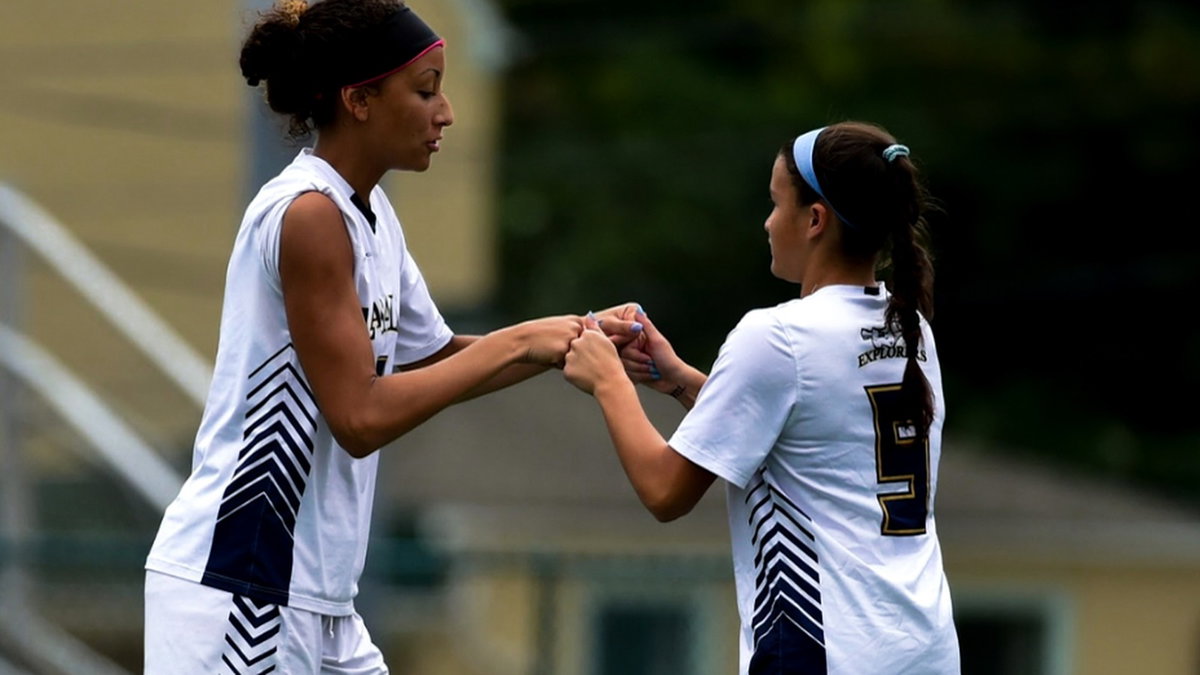
Support from teammates and parents helps athletes recover faster.
Give them a reset that is almost too simple
A mistake routine should be short enough to use during competition. Try three steps: breathe out, say one anchor phrase, do one next action. The anchor could be:
“next ball”
“eyes up”
“strong first step”
“communicate”
It should be specific and believable.
Practice it when they are calm. You can say, “When a mistake happens, what is your reset?” Then rehearse it in the backyard, driveway, pool deck, or before practice.
ISNation’s guide to positive self-talk examples for athletes can help athletes choose language that does not sound fake.

Small routines can help athletes return to the next moment.
Make recovery part of confidence
Confidence is not never making mistakes. Confidence is knowing a mistake will not own the rest of the game. That takes repetition. When your athlete resets even briefly, name it: “I saw you breathe and get back into position after that play.”
Start with Love here means being steady enough that your athlete can face the error honestly. They do not need you to pretend it did not happen. They need to know the mistake is something to learn from, not something that makes them smaller.
Practice recovery when the stakes are low
The best time to train mistake recovery is not during the championship moment. It is during ordinary reps, when the emotional cost is lower and your athlete can notice what happens inside them. If they miss in practice, invite them to rehearse the same reset they want to use in games: exhale, anchor phrase, next action. Small repetitions make the routine familiar enough to reach for under stress.
Parents can support this without becoming another coach. You might ask after practice, “Did you get a chance to use your reset today?” instead of asking how many mistakes happened. That question tells your athlete that recovery matters as much as the error itself. It also gives them a way to talk about progress even on messy days.
Be patient with the process. Some athletes need many chances before the reset feels natural. If they freeze again, it does not mean the skill failed. It means the skill needs another rep, the same way a physical skill does.
What to say in the car
In the car, keep your words fewer than your concern. Try, “That looked hard. I’m here when you want to talk.” If they do talk, listen for the fear under the frustration. The mistake may be about a dropped ball or missed chance, but the deeper worry may be, “People will stop trusting me.” That is the place that needs steadiness.
Keep the lesson small enough to use
A frozen athlete does not need a full lecture on toughness. They need one clear lesson they can carry into the next practice. If the lesson is too broad, it becomes another burden. “You need to be mentally stronger” is too vague. “After a mistake, look up and call the next instruction” is usable. Small is not weak. Small is how skills become repeatable when the game is moving fast.
You can also ask your athlete what kind of support helps during a spiral. Some want a cue from the sideline. Some do not want to hear anything until later. Respecting that preference teaches them to understand their own nervous system instead of guessing what adults want to see.
Keep Building With Us
If one mistake keeps trying to become the whole story, ISNation helps athletes and families practice resets that keep confidence connected to the next play.
Download the ISNation app to keep practicing the mental side of sport with tools and support built for athletes, parents, and the everyday moments that shape confidence.