
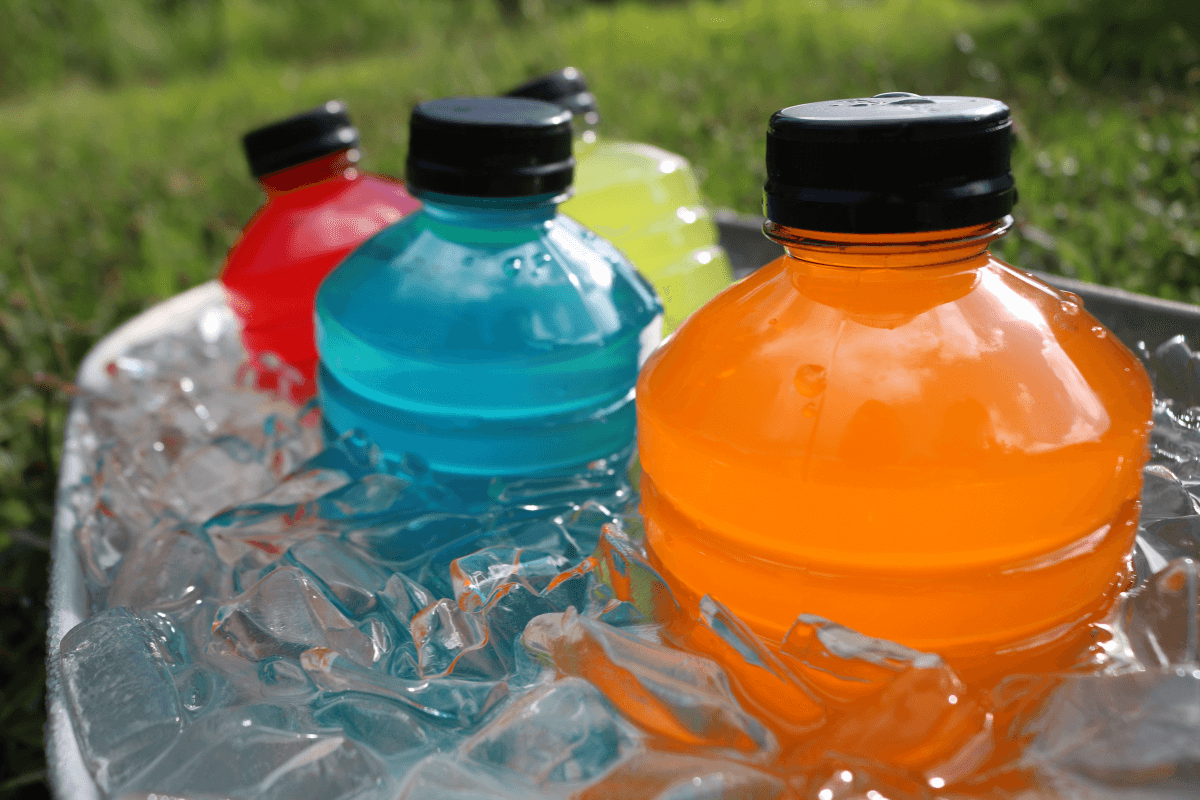
Electrolytes are more than just a buzzword tossed around by sports drink commercials; they are essential minerals that play crucial roles in the athlete’s body. These charged particles help transmit electrical impulses across cells, allowing our bodies to perform a variety of vital functions such as muscle contractions and nerve signaling. The balance of electrolytes in our bodies is so critical that even minor disruptions can affect heart rhythms, muscle function, and overall health. With a well balanced diet and adequate hydration an average person’s electrolyte levels stay regulated on its own. However, when an athlete pushes their body in different training situations, special attention should be made to learn about electrolytes.
Electrolytes include minerals like sodium, potassium, chloride, calcium, magnesium, phosphate, and bicarbonate. Each has a unique role in maintaining homeostasis—our body’s way of keeping its internal environment stable and optimal for survival. For example, sodium helps maintain fluid balance and is key for nerve function, while potassium helps regulate heart and muscle function (Cleveland Clinic) (Private healthcare | Bupa UK).
Understanding what electrolytes are, the critical functions they serve, and how to maintain their balance can help you optimize your health and performance, especially if you are an athlete or someone who leads an active lifestyle. In the next sections, we’ll delve deeper into each type of electrolyte, their specific roles, and the best sources for maintaining an adequate balance through diet and, if necessary, supplementation.
What Are Electrolytes?
Electrolytes are salts and minerals that carry a positive or negative electric charge that conduct electrical impulses in the body. They are found in your blood, urine, tissues, sweat, and other body fluids. They are essential for many of the body’s day-to-day functions, including the regulation of nerve and muscle function, hydration, blood pH, blood pressure, and the repair of damaged tissues. The primary electrolytes within the body include sodium, potassium, chloride, calcium, magnesium, phosphate, and bicarbonate.
- Sodium (Na+): This is the main positive ion in fluid outside of cells and is crucial for maintaining fluid balance in the body. It also plays a key role in nerve function and muscle contraction.
- Potassium (K+): Found mainly inside cells, potassium is vital for regular cell function, heart rhythm regulation, and preventing muscle cramps.
- Chloride (Cl-): Often found in tandem with sodium, chloride helps maintain fluid balance and is a critical component of digestive stomach acid.
- Calcium (Ca2+): Beyond its well-known role in bone strength, calcium is essential for muscle contractions, transmitting messages through the nerves, and the release of hormones and other chemicals.
- Magnesium (Mg2+): Magnesium supports over 300 enzyme reactions, including those involved in its function in muscle and nerve function, regulating blood pressure, and supporting the immune system.
- Phosphate (PO4³-): This electrolyte helps control the body’s energy storage and expenditure, it is necessary for the structure of cell membranes and bone.
- Bicarbonate (HCO3-): This helps maintain the body’s pH balance and is produced by the body to neutralize excess acids.
Each of these electrolytes can be found in various concentrations in the blood, where they perform most of their roles. The balance of these electrolytes is critical because too much or too little of them can lead to malfunctions in carrying electrical impulses across cells, leading to various health issues. As such, keeping these electrolytes in balance is vital for maintaining healthy body function (Cleveland Clinic) .
Functions of Electrolytes
Electrolytes are vital for several critical bodily functions. Here are the main roles they play:
- Nerve Function: Electrolytes like sodium and potassium are crucial for nerve signal transmission. When a nerve cell is activated, there’s a flow of electrolytes across the cell membrane, creating an electrical impulse necessary for nerve signals to travel throughout the body.
- Muscle Function: For muscles to contract, a similar movement of electrolytes is needed. Calcium plays a key role in muscle contractions by flowing into muscle cells, which triggers the contraction process. After the muscle needs to relax, calcium is pumped out of the muscle cells, allowing them to relax.
- Hydration: Electrolytes are essential for balancing the amount of water in the body. Sodium, potassium, and chloride work together to regulate the body’s fluid balance across cell membranes, in blood plasma, and within cells. This balance is crucial not only for hydration but also for overall cellular function and organ systems performance.
- Balancing Blood Acidity and Blood Pressure: Bicarbonate serves to maintain pH balance within the body, helping to keep blood from becoming too acidic or too alkaline. Magnesium and potassium play significant roles in relaxing blood vessel walls, which helps regulate blood pressure and enhances heart health.
- Repair and Rebuilding Tissues: Phosphate is a part of DNA and RNA and is involved in energy storage and transfer within cells. It plays a vital role in repairing and rebuilding tissues by helping to create new cells and maintain existing ones.
- Regulating Heart Rhythm: Electrolytes are also essential for heart function, particularly potassium, which helps to regulate heart rhythm. An imbalance in potassium can lead to arrhythmias, or irregular heartbeats, which can be dangerous if not managed properly.
By maintaining a fine balance of these electrolytes, the body ensures that critical functions, ranging from basic cellular activities to complex muscle contractions and neural communications, operate smoothly. An imbalance in these electrolytes can lead to various health issues, ranging from mild symptoms like muscle cramps and fatigue to severe conditions such as seizures and heart failure (Livestrong.com).
Sources of Electrolytes
To maintain proper electrolyte balance, it’s essential to consume a variety of foods rich in these minerals. Here’s a breakdown of where you can find the key electrolytes:
- Sodium: Commonly found in table salt, sodium is also present in various foods like cheeses, bread, processed meats, and salty snacks. However, it’s important to manage intake to avoid excessive consumption, which can lead to high blood pressure and other cardiovascular issues.
- Potassium: This vital electrolyte is abundant in fruits such as bananas, oranges, and apricots; vegetables like potatoes and spinach; as well as beans, nuts, and dairy products. Potassium helps counteract some of the negative effects of sodium and aids in heart function and muscle contractions.
- Chloride: Mostly ingested through table salt (sodium chloride), chloride is also found in many vegetables like tomatoes and celery. It helps maintain proper fluid balance and digestive juices.
- Calcium: Dairy products are the most famous sources of calcium, but it can also be found in leafy green vegetables, fortified cereals, and some types of fish like sardines and salmon. Calcium is crucial for strong bones and teeth, as well as muscle function and nerve signaling.
- Magnesium: Nuts, seeds, whole grains, and green leafy vegetables are excellent sources of magnesium. This mineral supports over 300 biochemical reactions in the body, including muscle and nerve function and energy production.
- Phosphate: Found in dairy products, meats, and whole grains, phosphate plays a critical role in cellular function, energy storage and release, and bone health.
- Bicarbonate: Typically produced by the body itself, bicarbonate can also be ingested through mineral waters that contain bicarbonates. It helps manage pH balance in the stomach and the blood.
A balanced diet typically provides all the electrolytes your body needs. However, circumstances such as intense physical activity, excessive sweating, illness, or chronic health conditions may alter your electrolyte needs. In such cases, additional supplementation might be required to restore balance (Livestrong.com).
Signs of Electrolyte Imbalance
Electrolyte imbalances can manifest in various ways, depending on which electrolyte is out of balance and whether the level is too high or too low. Recognizing these signs can help in early detection and management.
Electrolyte imbalances can be diagnosed by your healthcare practitioner through blood and urine tests, which measure the concentration of electrolytes. Treatment typically involves adjusting dietary intake or administering intravenous solutions to rebalance the levels (Private healthcare | Bupa UK).
This section outlines the importance of recognizing symptoms of electrolyte imbalance, which is crucial for timely intervention to prevent complications. If more detailed information or specific case studies are needed, just let me know!
Managing Electrolyte Balance
Maintaining the correct balance of electrolytes is crucial for health. The body typically regulates electrolyte levels carefully through various mechanisms, but certain conditions and lifestyle factors can disrupt this balance. Here are key strategies and considerations for managing electrolyte levels:
- Adequate Hydration: Drinking sufficient fluids is essential for maintaining electrolyte balance. Water is the primary component in which electrolytes are dissolved and transported throughout the body. Dehydration can lead to an imbalance, especially in electrolytes like sodium and potassium.
- Balanced Diet: Consuming a varied diet that includes fruits, vegetables, dairy, and lean proteins ensures an adequate intake of all essential electrolytes. This is generally preferable to relying on supplements unless prescribed by a healthcare provider.
- Monitoring During Illness: Conditions like vomiting, diarrhea, and fever can rapidly deplete the body’s electrolytes. In such cases, it’s important to replenish lost fluids and electrolytes with appropriate solutions, such as oral rehydration salts or intravenous fluids, as recommended by healthcare professionals.
- Exercise Considerations: During intense or prolonged physical activity, especially in hot weather, the body loses electrolytes through sweat. Athletes need to replenish these by drinking electrolyte-rich fluids or sports drinks that contain sodium and potassium, to prevent cramping and fatigue.
By understanding the factors that influence electrolyte balance and taking proactive steps to manage them, individuals can maintain better health and prevent the potentially serious consequences of an electrolyte imbalance (Cleveland Clinic) (Private healthcare | Bupa UK) (Livestrong.com).
Electrolytes and Exercise
Exercise and physical activity significantly influence electrolyte balance in the body. Understanding how to manage electrolytes during exercise is crucial for athletes and anyone engaged in regular physical activity. Here are the key points to consider:
- Loss Through Sweat: When you exercise, especially in hot or humid conditions, your body sweats to cool down. Sweat contains electrolytes, primarily sodium and potassium, which means that prolonged physical activity can deplete these essential nutrients.
- Pre-Hydration: Drinking fluids before exercising helps prepare your body for the sweat loss to come. It’s advisable to start well-hydrated to maintain optimal performance and electrolyte balance.
- Hydration During Exercise: For workouts lasting longer than an hour, simply drinking water may not be sufficient. Sports drinks with electrolytes can be beneficial as they help replace the electrolytes lost through sweat and help retain fluid balance.
- Post-Exercise Replenishment: After exercise, rehydrating with fluids that contain electrolytes is important to restore balance and help with muscle recovery. This can be through specialized recovery drinks, electrolyte tablets, or foods rich in electrolytes.
- Adapting to Your Environment: Athletes training in different environmental conditions, such as altitude or extreme heat, may need to adjust their electrolyte intake accordingly.
- Listening to Your Body: Symptoms such as muscle cramps, weakness, or extreme fatigue during or after exercise can signal electrolyte imbalances. Being attentive to these signs can help you adjust your hydration strategy appropriately.
By maintaining careful attention to hydration and electrolyte management, athletes and active individuals can enhance performance, prevent muscle cramps, and avoid the risks associated with imbalances, such as dehydration or hyponatremia (low sodium levels).
Final Thoughts
Electrolytes are an important discussion for athletes. Electrolytes are vital minerals that significantly impact numerous bodily functions, from regulating heartbeats and muscle contractions to maintaining fluid balance and nerve signaling.
A proper understanding of how electrolytes work and the importance of maintaining their balance can enhance both health and athletic performance. Most people can manage their electrolyte levels through a balanced diet rich in fruits, vegetables, and other nutrient-dense foods. However, certain conditions, such as prolonged physical activity, health issues, and environmental factors, may require closer attention and possibly the use of supplements.
It’s crucial to recognize the signs of electrolyte imbalance early, such as muscle cramping, fatigue, or irregular heartbeats, as these can be precursors to more serious health issues. Regular consultation with healthcare providers is advisable for those with chronic conditions or those engaged in high-level athletic activities, to ensure that their electrolyte and hydration strategies are tailored to their specific needs.
Maintaining electrolyte balance is not just about preventing negative health outcomes; it’s also about optimizing body function for daily activities and overall well-being. With the right knowledge and strategies, individuals can take proactive steps to manage their electrolyte levels effectively.
To learn more about nutrition, and other physical wellness topics, check out my courses on the ISNation app! Our wellness courses cover not only nutrition, and proper exercise form, but also mental wellness topics like managing sports anxiety. If theres a topic you want me to cover, be sure to let me know in the ISNation community.