

The nickelback is the defense’s most flexible player. They switch between coverage, run support, and blitzing depending on the call.
The nickelback, often called the slot corner, is crucial against spread formations, and combines cornerback coverage skills with safety toughness. Defenses depend on nickelbacks for flexibility and disruption.
Role and Key Responsibilities
1. Pass Coverage Specialist
Nickelbacks cover slot receivers on inside routes. They also handle running backs releasing into patterns. Their role requires precision against timing-based offenses. A nickelback wins games by sticking with their man and not letting routes break open.
2. Run Support
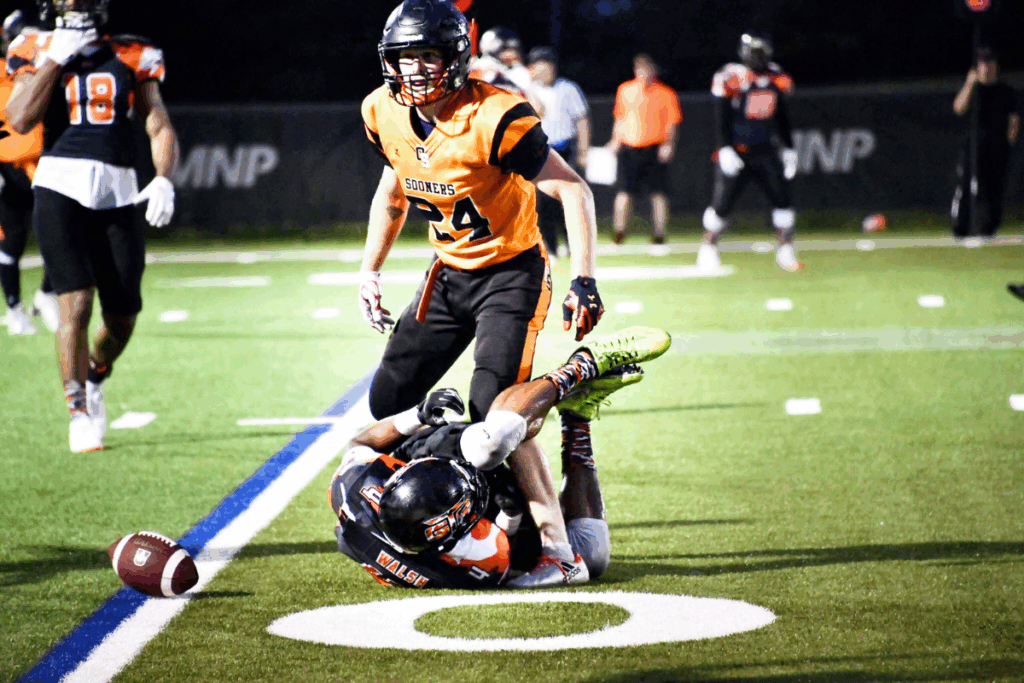
Nickelbacks must tackle effectively in the open field. They have to fight through blocks to help against the run. Discipline in lanes is critical for containing plays. They have to hit hard and move fast to stop running backs from breaking big plays.
3. Blitz and Disguise Tactics
Defenses use nickelbacks in slot blitz packages. These blitzes confuse quarterbacks and offensive line protections. Their speed off the edge allows them to create pressure, consequently forcing the quarterback off his spot. When a nickelback blitzes, it pressures the QB and disrupts timing.
4. Coverage Versatility in Zone Schemes
Nickelbacks drop into curl, flat, or short zones. They adapt seamlessly to varied defensive coverage calls. They need to talk and adjust quickly with safeties and corners on every play.
Key Skills
1. Agility and Quickness
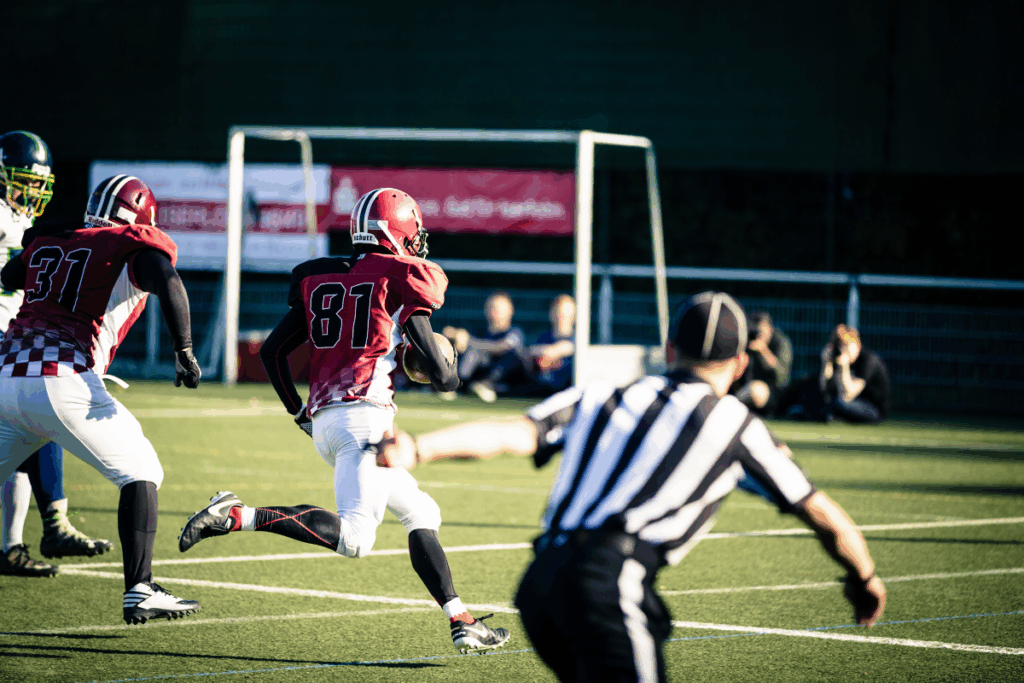
Nickelbacks must mirror shifty receivers with sharp cuts. Explosive lateral movement separates elite players from others. Exploding off the line lets nickelbacks stay with fast slot receivers and make plays when it counts.
2. Tackling
They must finish tackles in space with control. Sound tackling prevents giving up yards after contact. Nickelbacks must strike a balance between strength and agility. Effective tackling underpins trust within defensive coaching schemes.
3. Football IQ
Pre-snap recognition of formations guides defensive reactions. Nickelbacks anticipate routes through film and disciplined preparation. They adapt instantly to motion or bunch alignments. Smart nickelbacks read the offense before the snap and react instantly. This is what separates the good from the great.
4. Versatility
They cover receivers, backs, and athletic tight ends. Nickelbacks also contribute to disguised blitzing packages. Versatility makes them invaluable within flexible defensive systems. Adaptability ensures relevance against evolving offensive strategies.
Physical Attributes
1. Hybrid Physical Profile
Nickelbacks typically range in height from five feet ten inches to six feet. They usually weigh between one hundred and ninety and two hundred pounds. Height allows coverage while maintaining agility for slot receivers. Weight supports tackling and engagement against running backs.
2. Size with Agility
Agility and quick change-of-direction are key for nickelbacks. Drills such as the three-cone and shuttle test these skills. Strength must balance explosiveness with coverage responsibilities on the field.
3. Positional Versatility
Nickelbacks cover slot receivers in both man and zone coverage. They step up for run support when called upon. They blitz occasionally to pressure the quarterback. A nickelback must be fast, strong, and smart to handle multiple roles on defense.
Evolution of the Nickelback Role

1. Origins in Nickel Defense
Nickel defense adds a fifth defensive back strategically. This formation was first used during the 1960s. It arose from rising passing attacks across football. Nickelbacks became vital responses to spread style offenses.
2. Shift to Starting Roles
Nickelbacks now often start in base defensive packages. Teams adopt nickel to counter three-wide receiver sets. For a lot of teams, the nickel is on the field almost every snap. Their presence reflects football’s transformation toward aerial dominance.
3. Tactical Versatility
Nickelbacks let coaches mix up looks, covering the slot or rushing the QB, making the defense unpredictable. Their versatility makes them one of the most flexible and valuable defenders on the field. Their contributions are crucial against high-powered passing attacks.
Some of The Best Nickelbacks of All Time
1. Chris Harris Jr.
Harris emerged undrafted yet became an All-Pro. He excelled in coverage against elite slot receivers. His tackling and versatility bolstered Denver’s defense. Harris remains a gold standard for slot corner excellence.
2. Ronde Barber
One of the earliest great slot specialists, Barber regularly played nickel for the Buccaneers and earned a Super Bowl ring. He made five Pro Bowls, was named All-Pro five times, and recorded 47 career interceptions.
3. Mike Hilton
Hilton built his reputation on blitzing effectively. Despite a smaller frame, he remained dominant. He thrived against stronger and larger opponents. His instincts produced crucial defensive stops consistently. Hilton epitomizes modern nickelback tenacity and reliability.
Fun Fact
- The term “nickel” in football refers to the fifth defensive back added to a traditional four-man secondary.
- All nickelbacks are cornerbacks, but not all cornerbacks are nickelbacks.
The Strategic Core of Modern Defense
The nickelback makes a defense versatile, able to handle fast, modern passing attacks. They cover slot receivers, support runs, and blitz quarterbacks. Modern offenses force defenses to rely on their versatility.
Elite nickelbacks transform defensive outcomes across professional football. They embody speed, intelligence, and reliable tackling fundamentals. The nickelback remains indispensable in today’s passing-driven game. Learning the nickelback position shows you how modern defenses stop today’s offenses.