
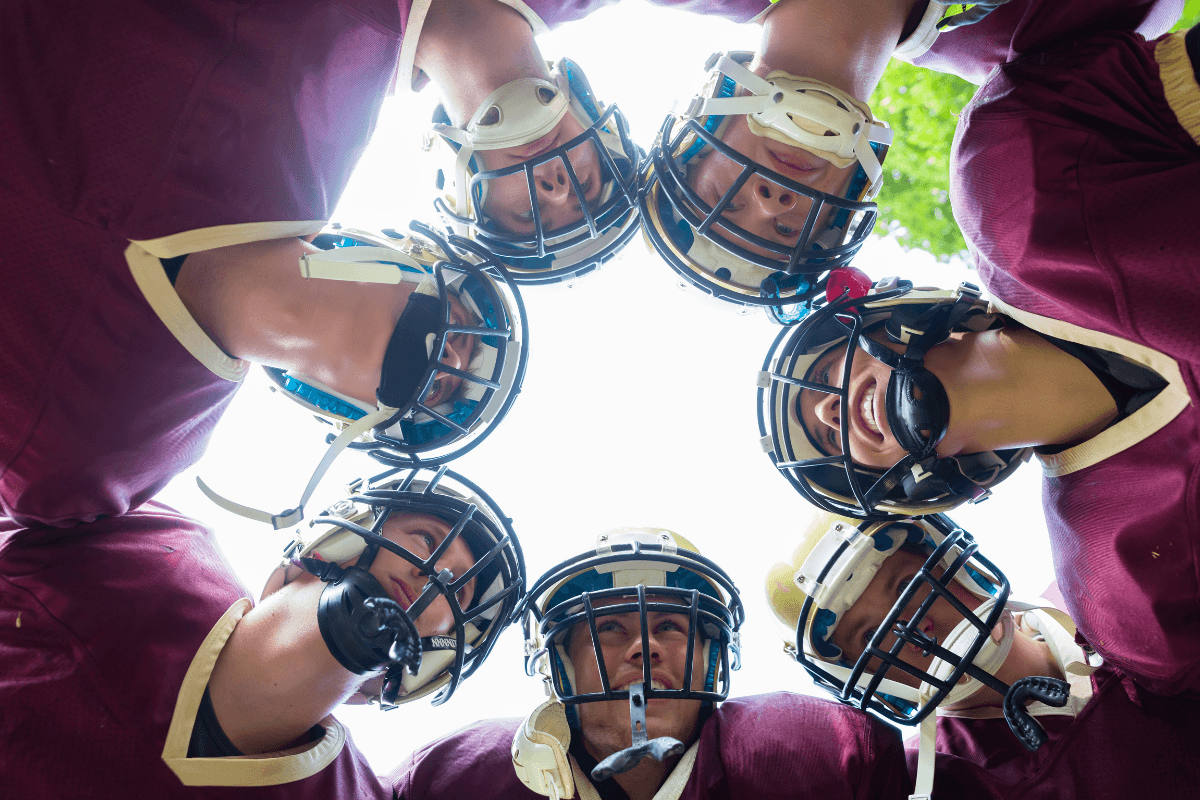
In football, much attention goes to offense and defense. However, special teams are often the unsung heroes that quietly define a team’s success. They control field position, scoring opportunities, and momentum swings. A well-executed punt, kickoff, or return can shift momentum. Understanding how special teams operate can reveal how small details decide the outcome of a football game.
Glossary of Roles
- Kicker – Scores field goals, executes kickoffs.
- Punter – Pins opponents through directional kicks.
- Long Snapper – Snaps with accuracy for scoring plays.
- Holder – Secures placement for kick attempts.
- Returner – Flips field position with explosive runs.
- Gunner – Races down the sideline to tackle the returner.
- Jammer – Blocks gunners to give the punt returner space to advance.
- Protector – Shields punter or kicker during attempts.
Role and Key Responsibilities
1. Kickoff Unit
Executes opening and post-score kickoffs with precision. Coverage units limit return yards and control field position.
2. Kick Return Unit
Receives kickoffs to advance field position. Returners need vision, blocking support, and controlled aggression.
3. Punt Unit
Flips field position after stalled drives by booming punts downfield. Protection is crucial to prevent blocked kicks.
4. Punt Return Unit
Catches punts cleanly and seeks explosive yardage gains. A single missed block can decide the outcome of a game.
5. Field Goal Unit
Executes scoring plays with precision between snap, hold, and kick. Timing, protection, and accuracy define this unit’s success.
6. Extra Point Unit
Adds the extra point after touchdowns through consistent execution. A miss can alter end-game strategy and decisions.
7. Field Goal Block Unit
Applies pressure to disrupt kicks and alter momentum. Success requires penetration, timing, and perfect hand placement.
8. Extra Point Block Unit
Attempts to break through protection after touchdowns are scored. Rarely succeed, but blocks can instantly shift momentum.
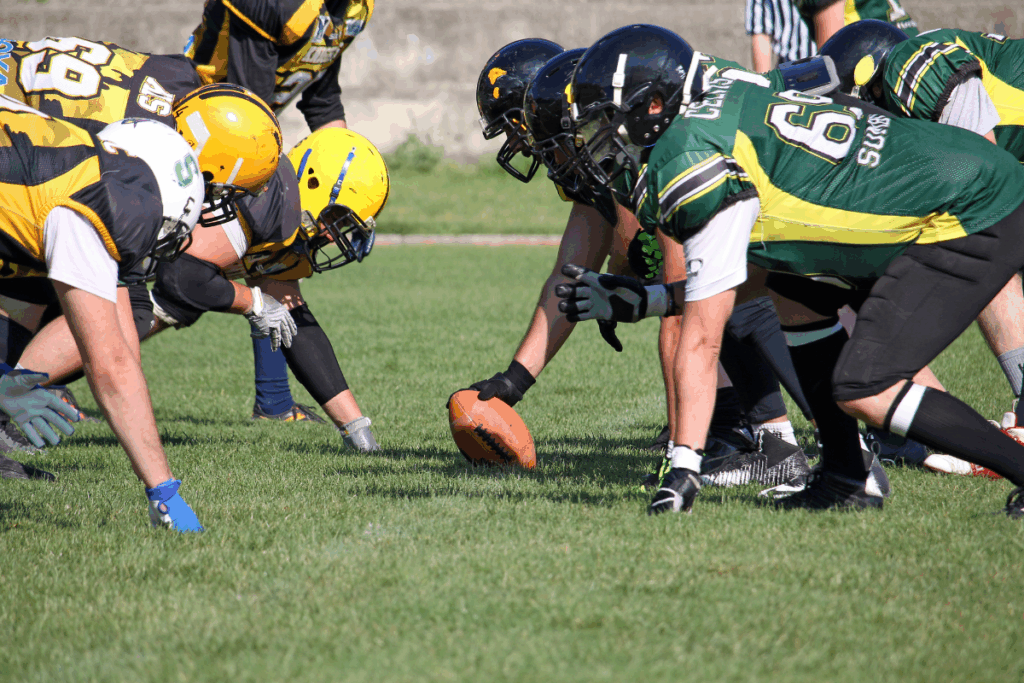
Physical Attributes
1. Kickers and Punters
Kickers usually range between five-nine and six-one. Weight varies from around one-seventy to two-twenty pounds in collegiate and pro leagues. Routine training emphasizes leg strength and flexibility daily.
2. Return Specialists
Returners are typically five feet nine to six feet two inches tall. Ideal weight ranges from one hundred to two hundred pounds. Speed drills, agility, and ball-handling dominate routines.
3. Coverage Players
Coverage athletes measure five feet eleven to six feet two in height. Weights usually range between 190 and 220 pounds. Strength, tackling, and sprinting drills dominate training routines.
4. Long Snappers
Long snappers generally stand over six feet tall. Weights range from two-forty to two-sixty pounds. Snapping mechanics and shoulder strength dominate training routines.
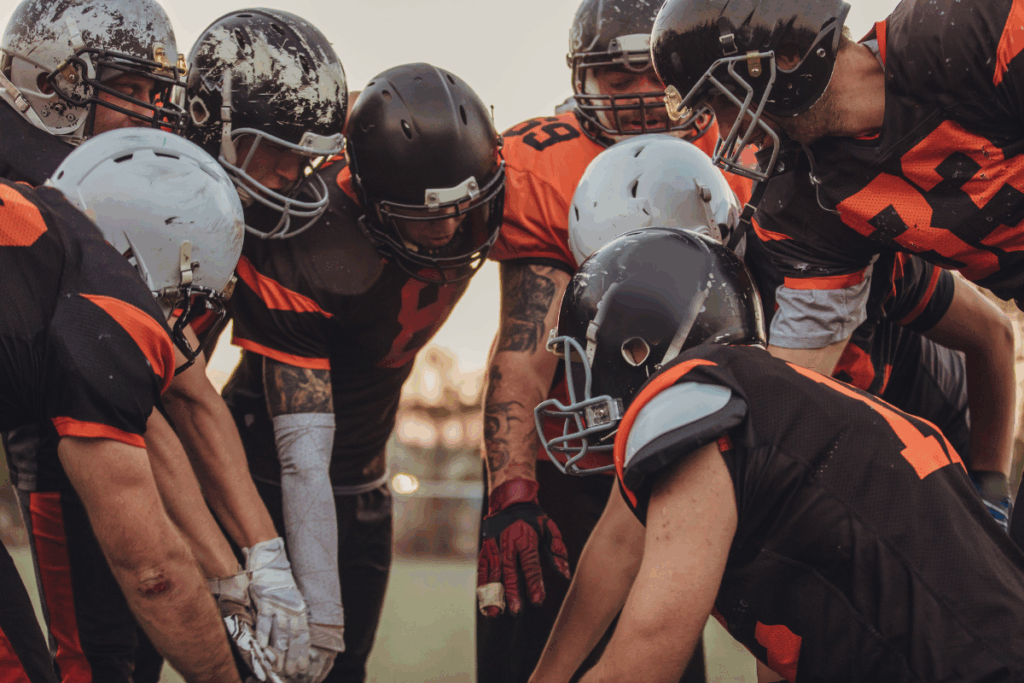
Evolution and Strategic Importance
1. Early Emphasis
Special teams originally relied on brute force and distance. Punts and kickoffs focused primarily on raw power.
2. Modern Strategy
Today, efficiency, analytics, and “hidden yardage” metrics dominate game planning. Teams use data to optimize every special play.
3. Rule Changes
The NFL altered kickoff rules to improve player safety. Fewer returns reduce injuries and change game dynamics.
4. Adaptive Schemes
Teams develop creative coverage, precision kicks, and strategies. Flexibility ensures opponents cannot predict special team plays.
5. Coaching Investment
Coaches now employ full-time special team staff members. Dedicated units train separately for maximum execution efficiency.
6. Error Impact
Mistakes on special teams often have a bigger impact than offensive errors. Missed blocks or bad snaps can determine outcomes.
7. Momentum Shifts
Scoring through special teams can dramatically swing momentum. Blocked punts or returns frequently alter playoff results.
Best Special Teams Units of All Time
1. 2002 New Orleans Saints
The Saints topped Football Outsiders’ 30-year special teams rankings. They led all units across kicking and returns.
2. 2007 Chicago Bears
Devin Hester returned six kicks for touchdowns in 2007. The Bears also excelled in field goals and blocked kicks.
3. 1994 Cleveland Browns
Belichick’s Browns generated value in four of five phases. Matt Stover and Tom Tupa were major contributors.
4. 1996 Carolina Panthers
Michael Bates produced elite kickoff and return value. The Panthers ranked top in kickoffs and kick returns.
5. 2009 Cleveland Browns
Josh Cribbs scored multiple return touchdowns in the 2009 season, combining elite return play with reliable kicking and punting.
6. 2006 Chicago Bears
Devin Hester again produced a historic return season in 2006. His kicking and kickoff coverage also ranked among the league’s best.
Greatest Special Teams Players Ever

1. Steve Tasker
Steve dominated coverage and earned seven Pro Bowls. He remains the only Pro Bowl MVP.
2. Bill Bates
Bill became known as Dallas’ enforcer with punishing tackles. He anchored coverage during multiple championship seasons.
3. Devin Hester
Devin was football’s most electrifying returner. He opened a Super Bowl with a touchdown.
4. Matthew Slater
Matthew Slate earned ten Pro Bowls and three titles, and was praised as football’s ultimate leader.
5. Michael Thomas
A respected Dolphins special teams captain. Slater included Thomas on his personal Mount Rushmore.
6. Lorenzo Alexander
Lorenzo Alexander excelled on coverage units before starring defensively. Slater honored him among the special teams’ all-time greats.
Fun Facts
- Special teams score over one-third of NFL points. Often forgotten, yet directly tied to winning.
- Steve Tasker remains the only special teamer with an MVP honor. His Pro Bowl legacy highlights the lack of recognition for the role.
- The Bears’ Devin Hester forced new return strategy rules. The NFL altered kickoffs largely to limit his dominance.
Special teams are one of the most critical phases of football. They control field position and influence scoring outcomes. The best teams always invest in this unit. Legends like Steve Tasker and Devin Hester established their importance with special teams excellence, which often decides championships and victories. Understanding this unit displays football’s deep complexity and strategy.