
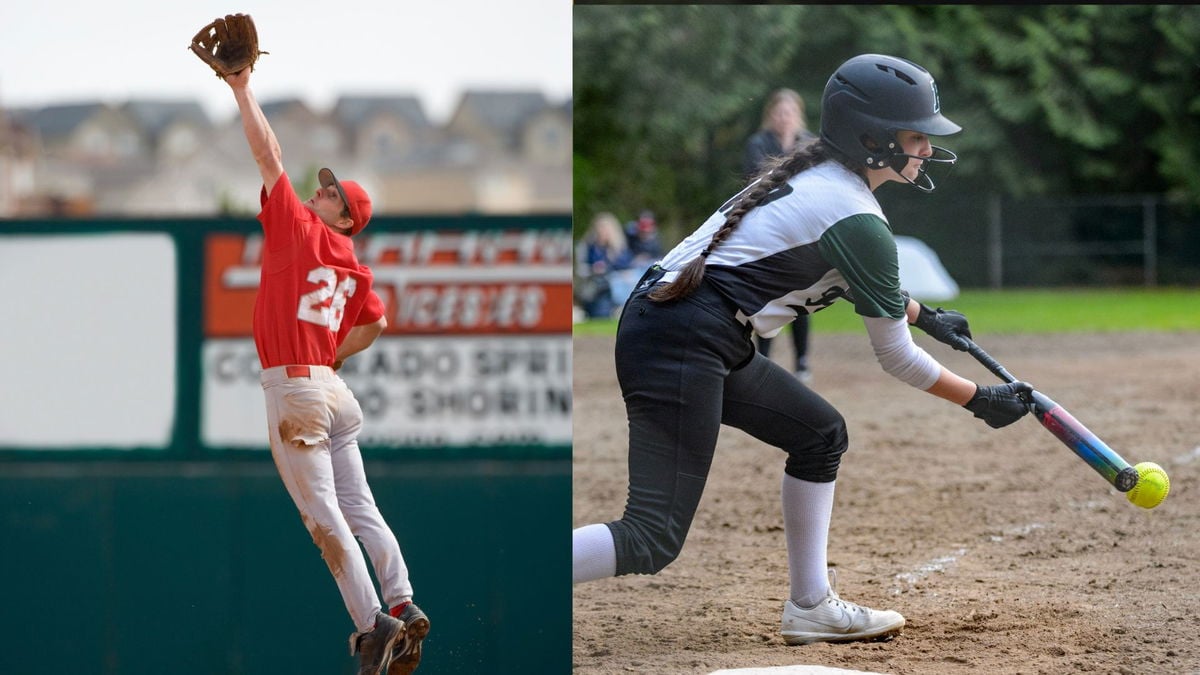
Over the last decade, both softball and baseball have seen growing popularity and increasing cultural impact. Globally, baseball ranks among the top ten most popular sports, with a fan base of around 800 million and established leagues across Asia, Latin America, and North America.
Together, baseball and softball have an estimated 25 million participants, with softball popular in schools, colleges, and recreational leagues. But despite their popularity, it can often be difficult for prospective players to distinguish the difference and know which one is right for them.
This article aims to explain the difference between softball and baseball. It provides an overview of key differences in gameplay, field dimensions, layout, and positions, helping aspiring players make informed choices.
Key Differences in Gameplay
Pitching Styles: Overhand vs. Underhand
One of the main differences between softball and baseball is pitching. In softball, pitchers throw the ball underhand from a flat surface, whereas in baseball, pitchers throw overarm or sidearm.
In baseball, pitches are thrown from an elevated mound, rather than a flat surface in softball.
Although, in softball, pitches travel slower in absolute speed, the shorter distance often gives batters less reaction time than in baseball.
[insert images of both plate distances side by side]
Pitchers in softball throw from shorter distances (40ft from the plate), putting pressure on batters to react quickly. Notably, pitchers in softball often pitch more innings than those in baseball due to less arm stress. Fastballs and other fast pitches in baseball, delivered at different release points, can place considerable stress on a pitcher's arms.
Bat Types: Baseball Bat vs. Softball Bat
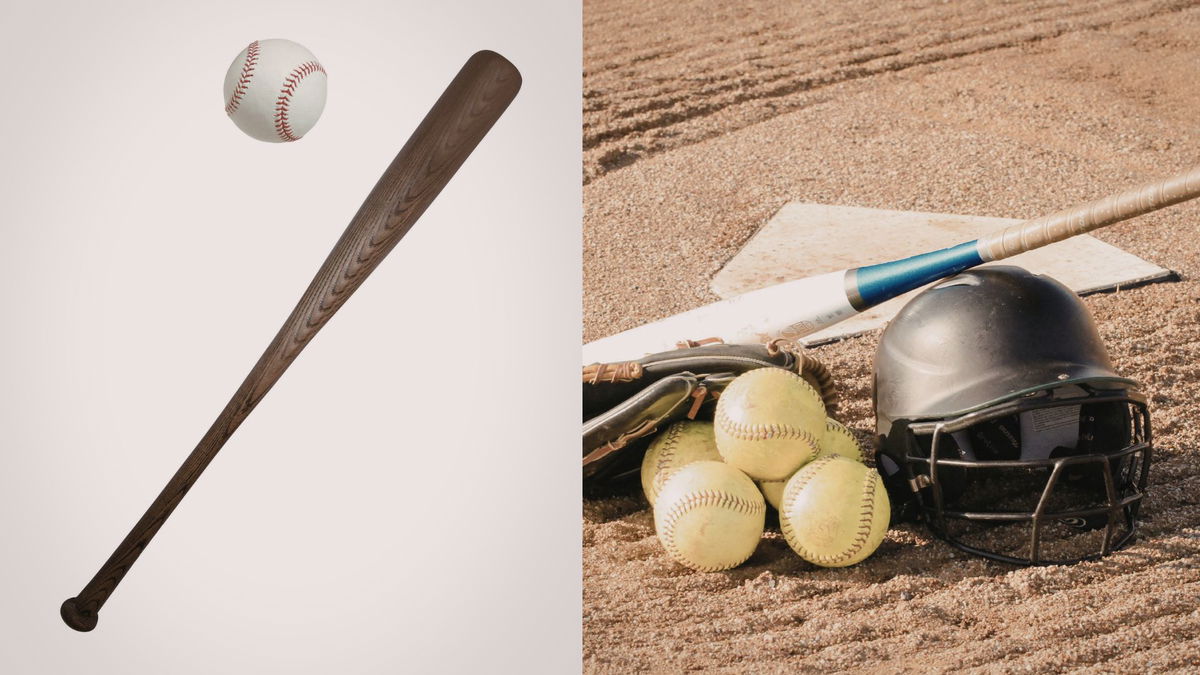
The second main difference is bat size. Softball bats are typically shorter and lighter to match the softball's larger, heavier size, making them suited for short games and quick swings. On the other hand, baseball bats are longer and heavier to deliver controlled power. These larger bats suit the slightly smaller baseball.
The differences in bat construction directly influence swing mechanics and timing and may vary by league and age.
Inning Structure in Softball and Baseball
Game length can differ by league, but Softball is typically played over seven innings, while baseball is played over nine. Shorter games in softball require teams to score early and put up a strong defense against opponents due to fewer plate appearances. The shorter format places pressure on early scoring and efficient defense. This also means that the margin for error is low in softball, especially in the early parts of a game.
In baseball, the longer structure gives greater leeway for mistakes and slow starts, and allows teams to adjust their lineups.
Field Dimensions and Equipment
Field Size and Layout
Field size and layout are another distinguishing difference. Baseball fields use longer base paths (90ft) and deeper outfields (325 ft+), creating more space between players and extending throwing distances.
On the other hand, softball fields reduce those distances. Bases are closer together (60ft), and the outfield fence is nearer to the home plate at 200-250ft. This layout increases the frequency of closer plays and reduces the margin for defensive errors.
Glove Differences: Softball Gloves vs. Baseball Gloves
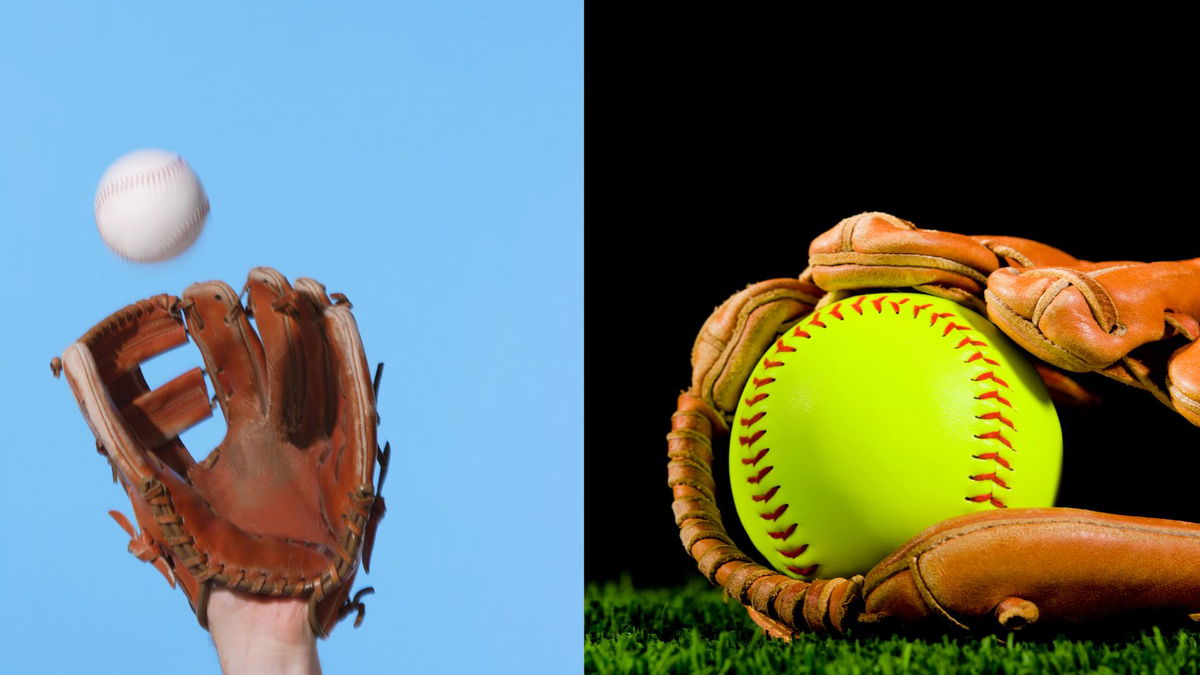
Gloves are designed around ball size and catching frequency. Baseball gloves are smaller, with shallower pockets, which support quicker long throws and a smaller ball. Softball gloves are slightly larger with deeper pockets to secure the larger ball during quick exchanges. These design differences improve control and reduce the chance of dropped balls.
Ball Size and Weight Comparisons
As mentioned earlier in the article, a softball is slightly larger in circumference and heavier than a baseball. The baseball is smaller, around 9-9.25 inches, and denser, traveling farther when struck cleanly. These properties influence pitching movement, hitting distance, and a defense's reaction times.
The larger 11–12‑inch softball also reduces bounce speed on hard ground contact, underscoring the importance of fielding position and ball anticipation.
Player Positions and Roles
The Role of the Pitcher
Pitchers dominate the flow of both games, but their workloads can differ depending on skill. Baseball pitchers often work in short stints, alternating between starting pitchers and relievers.
On the other hand, baseball pitchers frequently pitch across entire games, relying on consistency and endurance. With fewer innings and shorter pitching distances, these pitchers must maintain accuracy across repeated bats to avoid errors. Nevertheless, the length of pitching largely depends on skill, which varies from player to player.
Key Positions in Softball vs. Baseball
Most positions share the same names and responsibilities, but spacing alters how they are executed. In softball, infielders play closer to the batter, reducing reaction times on ground balls - making quick footwork and short throws essential.
Alternatively, baseball infielders operate with more space, allowing longer throws and greater reliance on arm strength. Outfielders also cover more ground than their softball counterparts due to deeper fences and a larger field.
Hitter’s Approach: Strategies in Both Sports
Softball hitters often prioritise contact, placement, and speed. Reaching base safely often matters more than hitting for distance.
Baseball hitters balance contact with power. The larger field rewards extra-base hits, and pitch selection becomes central to driving the ball into gaps or over the fence.
Which Sport Should You Choose?
Choosing whether to take up softball and baseball comes down to a combination of both practical and physical factors. On the practical side, field availability, local league options, and access to coaching can often shape decisions. Physically, as outlined above, traits such as throwing strength, sprint speed, and reaction time may also influence your preference.
Some players prefer the faster tempo and closer plays of softball, while others enjoy the extended structure and pitching variety of baseball. Understanding these differences can help you choose which sport matches your interests and provides a clear starting point for play.
At ISNation, it's not all about competitive achievement on the field; we believe you need to train your mind with the same effort you put into training your body to give you an edge in sport and in life. Learn more about our mission and sign up to be an ambassador here.